
The Evolution of Race Car Design: A Look at the Past, Present, and Future
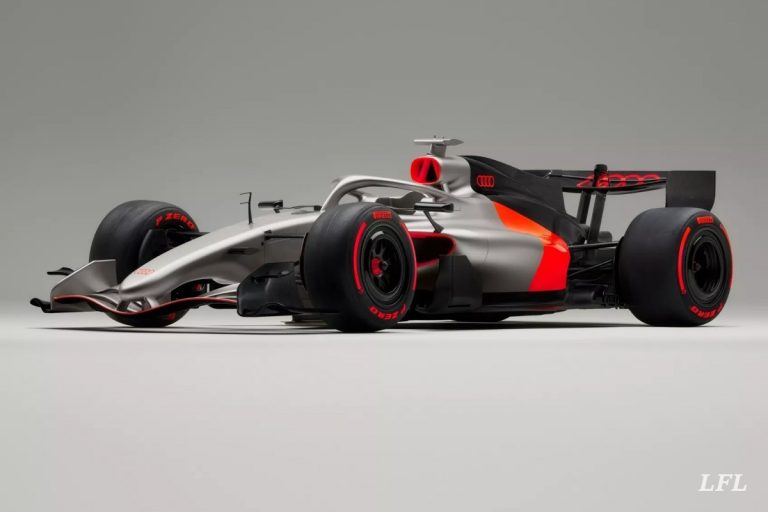
The world of motorsport is synonymous with speed, innovation, and engineering excellence. Over the decades, race car design has continuously evolved, driven by technological advancements, regulatory changes, and the relentless pursuit of performance. In this article, we delve into the fascinating journey of race car design from its early days to its future prospects, exploring the milestones that have shaped the sport today.
The Dawn of Racing: Early Innovations
The origins of race car design can be traced back to the late 19th and early 20th centuries when the automobile itself was a revolutionary invention. Early race cars were rudimentary, essentially modified versions of road cars. These vehicles were characterized by their simplistic chassis, exposed wheels, and minimal aerodynamic considerations.
One of the most iconic early race cars was the Mercedes Simplex, introduced in 1902. It marked a significant departure from its predecessors by featuring a lower center of gravity and a more powerful engine, setting new benchmarks in speed and handling.
The Mid-20th Century: Aerodynamics and Power
The mid-20th century was a period of rapid advancement in race car design. Aerodynamics began to play a crucial role as engineers sought to reduce drag and enhance stability at high speeds. The introduction of wind tunnel testing allowed designers to experiment with different shapes and configurations, leading to the development of sleek, streamlined bodies.
During this era, the Ferrari and Lotus teams pushed the boundaries of innovation. The Lotus 25, introduced in 1962, was the first Formula 1 car to feature a monocoque chassis construction, significantly reducing weight and improving rigidity. This innovation became a standard in race car design, influencing generations of vehicles.
The Late 20th Century: Technological Integration

The late 20th century witnessed a technological revolution in race car design. The integration of computer-aided design (CAD) and computational fluid dynamics (CFD) enabled engineers to simulate and optimize various aspects of vehicle performance before physical testing. This era also saw the introduction of advanced materials such as carbon fiber, which offered unparalleled strength-to-weight ratios.
Electronic systems became increasingly sophisticated, with the advent of telemetry and data acquisition systems allowing teams to monitor performance in real-time. The McLaren MP4/1, introduced in 1981, was a pioneering example, being the first Formula 1 car to use a full carbon fiber composite chassis. This innovation marked a turning point in race car construction, emphasizing the importance of lightweight materials.
The Modern Era: Sustainability and Hybrid Technology
In recent years, the focus of race car design has shifted towards sustainability and environmental responsibility. The introduction of hybrid and electric powertrains has transformed the landscape of motorsport, with series like Formula E showcasing the potential of zero-emissions racing.
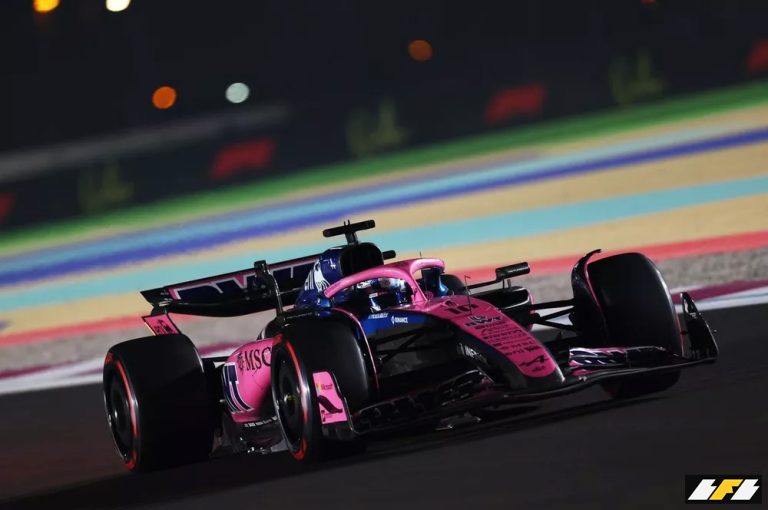
Formula 1 has also embraced hybrid technology, with the current generation of cars featuring complex energy recovery systems. These systems harness kinetic and thermal energy, converting it into electrical power to boost performance. The emphasis on sustainability is reflected in the sport’s commitment to achieving a net-zero carbon footprint by 2030, as outlined by the FIA.
The Future of Race Car Design: Autonomous and AI Integration
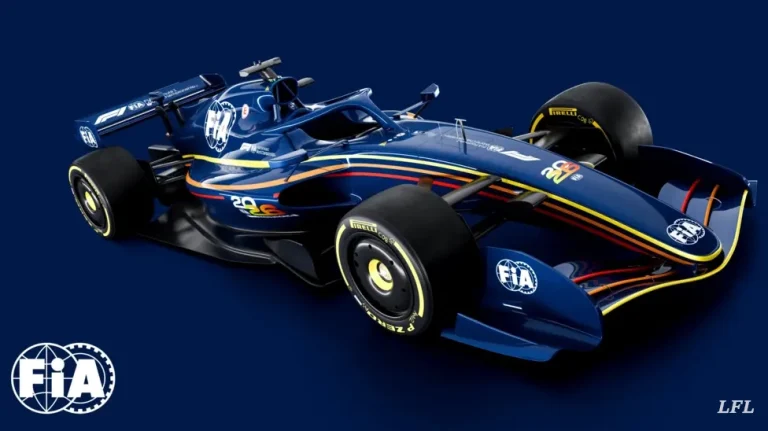
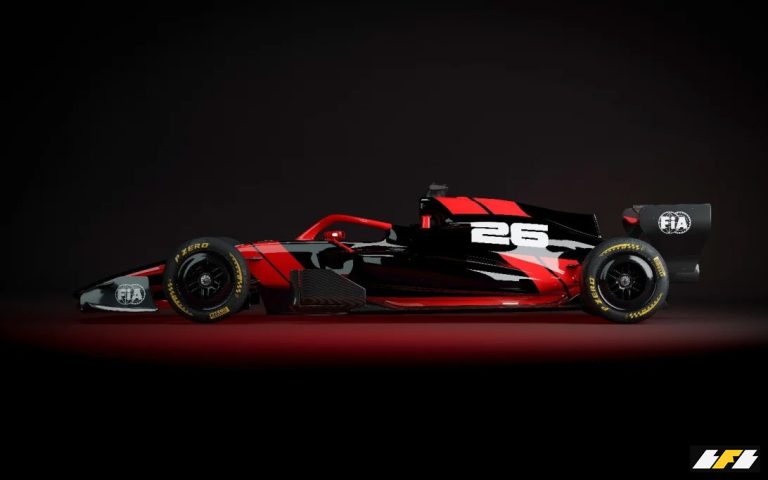
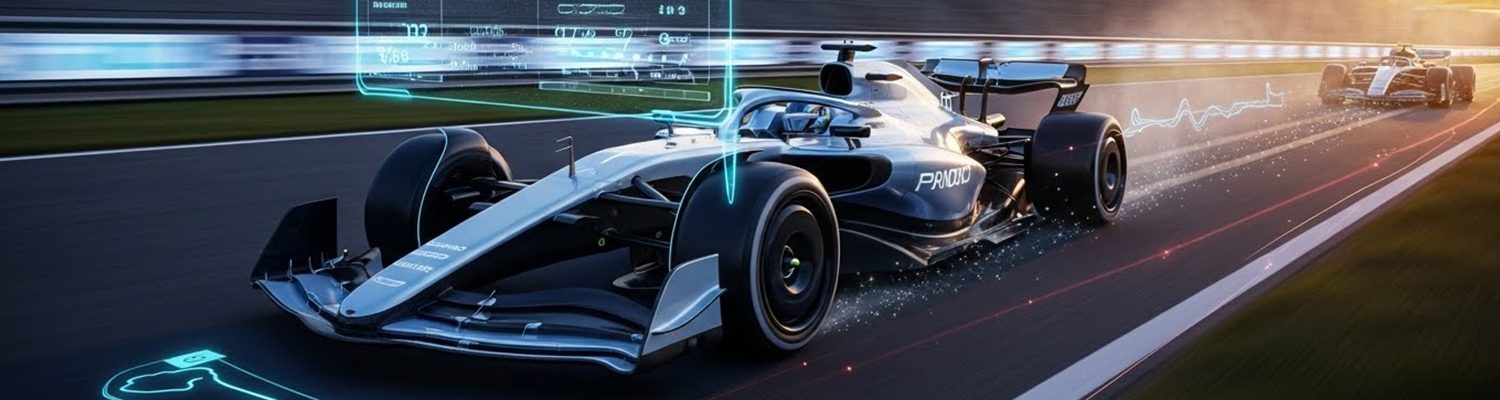
As we look to the future, race car design is poised to undergo further transformations driven by artificial intelligence (AI) and autonomous technology. The potential for AI to optimize vehicle dynamics, strategy, and performance is immense, offering new possibilities for innovation.
Autonomous racing series like Roborace are already exploring the capabilities of driverless vehicles, pushing the boundaries of what is possible without human intervention. These advancements not only redefine the concept of motorsport but also provide valuable insights into the development of autonomous road vehicles.

Conclusion: The Ever-Advancing World of Race Car Design
The evolution of race car design is a testament to human ingenuity and the relentless pursuit of excellence. From the early days of rudimentary machines to the sophisticated, technologically advanced vehicles of today, each era has contributed to the rich tapestry of motorsport history.
As we look to the future, the integration of sustainable practices, hybrid technology, and AI promises to usher in a new era of racing that is not only faster and more efficient but also more environmentally conscious. The journey of race car design is far from over, and the road ahead is filled with exciting possibilities that will continue to captivate and inspire generations to come.
Challenges and Opportunities in Modern Race Car Design
While the future of race car design is brimming with potential, it is not without its challenges. Engineers and designers must balance the demands of performance, safety, and sustainability, all while adhering to ever-evolving regulations. The complex nature of modern race cars, with their hybrid systems and advanced materials, requires a multidisciplinary approach, integrating mechanical, electrical, and software engineering.
One of the primary challenges is the integration of new technologies without compromising the traditional spirit of racing. As vehicles become more reliant on electronic systems and AI, the role of the driver may evolve, raising questions about the essence of motorsport. However, these challenges also present opportunities to innovate and redefine the sport, making it more inclusive and appealing to a broader audience.
The Role of Data in Race Car Design and Performance
Data has become an integral component of race car design and performance. The ability to collect, analyze, and interpret vast amounts of data in real-time is transforming the way teams approach competition. Sensors embedded throughout the vehicle provide valuable insights into various parameters such as tire temperature, engine performance, and aerodynamic efficiency.

This data-driven approach enables teams to make informed decisions during races, optimizing strategies and improving outcomes. Additionally, the data collected from race cars often trickles down to consumer vehicles, enhancing safety and efficiency in everyday driving. The intersection of motorsport and technology continues to be a fertile ground for innovation, shaping the future of the automotive industry.
Education and the Next Generation of Race Car Designers
As the field of race car design becomes increasingly complex, the need for skilled professionals is more critical than ever. Education and training programs are essential to equip the next generation of engineers and designers with the knowledge and skills required to excel in this fast-paced industry. Universities and technical institutes around the world offer specialized courses in motorsport engineering, covering topics such as aerodynamics, materials science, and vehicle dynamics.
Additionally, initiatives like student racing competitions provide hands-on experience, allowing aspiring engineers to apply their theoretical knowledge in a practical setting. These programs not only cultivate technical expertise but also foster creativity and innovation, inspiring the next wave of breakthroughs in race car design.
The Cultural Impact of Race Car Design
Beyond the technical and competitive aspects, race car design holds a significant cultural impact. Iconic race cars have become symbols of an era, representing the pinnacle of engineering and design excellence. Vehicles like the Porsche 917, Ford GT40, and Ferrari 250 GTO are celebrated not only for their performance but also for their aesthetic appeal, capturing the imagination of motorsport enthusiasts worldwide.
Moreover, race car design influences popular culture, with motorsport-themed movies, video games, and merchandise contributing to the sport’s global allure. This cultural resonance underscores the enduring appeal of racing, transcending boundaries and bringing people together through a shared passion for speed and innovation.
Conclusion: Embracing the Future of Race Car Design
The journey of race car design is a reflection of human creativity, resilience, and the desire to push the limits of what is possible. As we stand on the cusp of a new era, the future of race car design promises to be as exciting and transformative as its storied past. Embracing new technologies, sustainable practices, and innovative ideas will ensure that motorsport continues to thrive, inspiring future generations and driving progress in the automotive industry.
The evolution of race car design is not just a story of machines and technology; it is a narrative of human endeavor and the relentless pursuit of excellence. As the world of racing evolves, it remains a vibrant and dynamic field, where the only constant is change, and the next great innovation is always just around the corner.
The Influence of Regulations on Race Car Design
Regulations have always played a crucial role in shaping race car design. Governing bodies such as the FIA set the rules that ensure safety, fairness, and competitiveness in motorsport. These rules dictate various aspects of vehicle design, including dimensions, weight, and engine specifications.
While regulations can sometimes be seen as constraints, they often drive innovation as teams work to find creative solutions within the given framework. For example, the introduction of stricter emissions standards and fuel efficiency targets has led to the development of hybrid powertrains and energy recovery systems.
Additionally, safety regulations have significantly influenced design, with the incorporation of features like crash structures, roll cages, and the Halo device in Formula 1. These advancements not only protect drivers but also enhance the overall safety of motorsport, reflecting the industry’s commitment to safeguarding its participants.
Race Car Design and Environmental Responsibility
As the world becomes increasingly aware of environmental issues, race car design is evolving to address concerns about sustainability and carbon emissions. Motorsport is leveraging its platform to promote eco-friendly technologies and practices, leading by example in the quest for a more sustainable future.

One such example is the use of sustainable fuels and energy sources in racing series. Formula E, for instance, exclusively uses electric vehicles, showcasing the potential of clean energy in high-performance applications. Similarly, initiatives in other racing series are exploring biofuels and synthetic fuels, aiming to reduce the environmental impact of motorsport.
These efforts highlight the role of racing as a testbed for technologies that can be applied to commercial vehicles, driving progress towards a greener automotive industry and a more sustainable future for all.
Collaborations and Partnerships in Race Car Design
The complexity of modern race car design often requires collaboration between various stakeholders, including manufacturers, technology companies, and academic institutions. These partnerships facilitate the exchange of knowledge and resources, accelerating the pace of innovation in the sport.
Manufacturers like Toyota and Porsche partner with technology companies to develop cutting-edge components and systems, leveraging expertise in areas such as materials science and artificial intelligence. Similarly, collaborations with universities and research centers foster a culture of innovation, enabling the exploration of new ideas and technologies.
Such partnerships are instrumental in pushing the boundaries of what is possible, ensuring that race car design remains at the forefront of technological advancement.
Conclusion: The Legacy and Future of Race Car Design
As we conclude this exploration of race car design, it is clear that the field is characterized by a rich history of innovation and a promising future of continued advancement. The evolution of race cars reflects the broader trends in technology and society, serving as a microcosm of human progress and ingenuity.
The legacy of race car design is not only measured in terms of speed and performance but also in its impact on the automotive industry and its contribution to a more sustainable world. As we look ahead, the fusion of traditional engineering principles with cutting-edge technologies promises to redefine the limits of possibility, inspiring the next generation of designers and engineers.
Ultimately, the journey of race car design is a testament to the enduring spirit of competition and the unwavering pursuit of excellence. As we embrace the future, the race to innovate continues, driven by the shared passion for speed, performance, and the thrill of the chase.
About the Author