
An Insider’s Guide to Understanding Racing Strategies: From Pit Stops to Overtaking
In the high-speed world of motor racing, success is not just about having the fastest car or the most skilled driver. Understanding and executing effective racing strategies can significantly influence the outcome of a race. This guide aims to delve into the intricate strategies that teams and drivers utilize to gain a competitive edge, from the art of pit stops to the tactics of overtaking.
The Essence of Racing Strategies
Racing strategies are comprehensive plans developed by teams to optimize performance and ensure the best possible outcome in a race. These strategies are meticulously tailored to each track, weather condition, and the competitive landscape. The primary goal is to maximize speed and efficiency while minimizing time and errors. Let’s explore some core components of racing strategies.
Pit Stops: The Heart of Race Strategy
Pit stops are short intervals during a race when a car pulls into the pit lane for fuel, tire changes, repairs, or adjustments. These stops are critical, as they are directly linked to race outcomes.
During a pit stop, the clock is the biggest enemy. Teams practice relentlessly to shave off every possible millisecond. A well-executed pit stop can create a significant time advantage, while a mistake can cost a race.
Fuel strategy is also pivotal. Teams must decide how much fuel to add during stops, balancing the car’s weight with the need for speed. Fuel-efficient cars may require fewer stops, providing a strategic advantage.
Tire Management and Strategy
Tires play a crucial role in racing strategy. The type of tire used—soft, medium, or hard—can affect grip and speed. The choice depends on track conditions and weather.

Understanding tire management is essential for drivers. Conserving tires can mean fewer pit stops, while aggressive use can lead to faster lap times but potentially more stops. Teams often use tire strategies to gain a competitive edge during critical phases of a race.
Overtaking: A Delicate Balance
Overtaking is the art of passing a competitor on track. It requires skill, timing, and strategy. Drivers must weigh the risks and rewards of overtaking moves, as mistimed attempts can lead to contact or off-track excursions.
Overtaking is especially challenging on circuits with few overtaking zones, where drivers must capitalize on every opportunity. Slipstreaming, or drafting, is a common technique used to overtake on straights by reducing air resistance.
Weather and Track Conditions
Weather conditions can drastically alter racing strategies. Rain, for example, changes the grip levels and visibility, requiring teams to adapt quickly. Wet weather tires may be necessary, and drivers must modify their driving style to maintain control.
Track conditions also influence strategy. A track with high tire wear may demand a conservative approach, while a newly resurfaced track might offer more grip, encouraging aggressive racing.
Data and Technology: The Modern Racing Edge
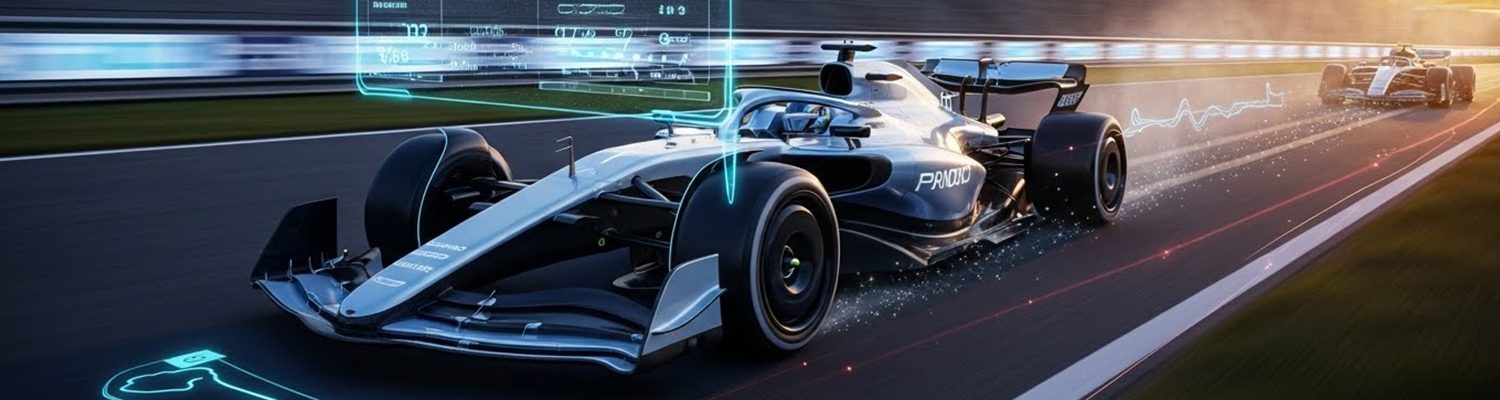
In the modern era, data and technology play a significant role in formulating racing strategies. Teams use real-time data analytics to monitor various performance metrics, including tire wear, fuel consumption, and engine health.
Advanced technology enables teams to make informed decisions quickly, adapting strategies on the fly to respond to dynamic race conditions. This data-driven approach has become essential for competitive success.
Conclusion: The Art and Science of Racing
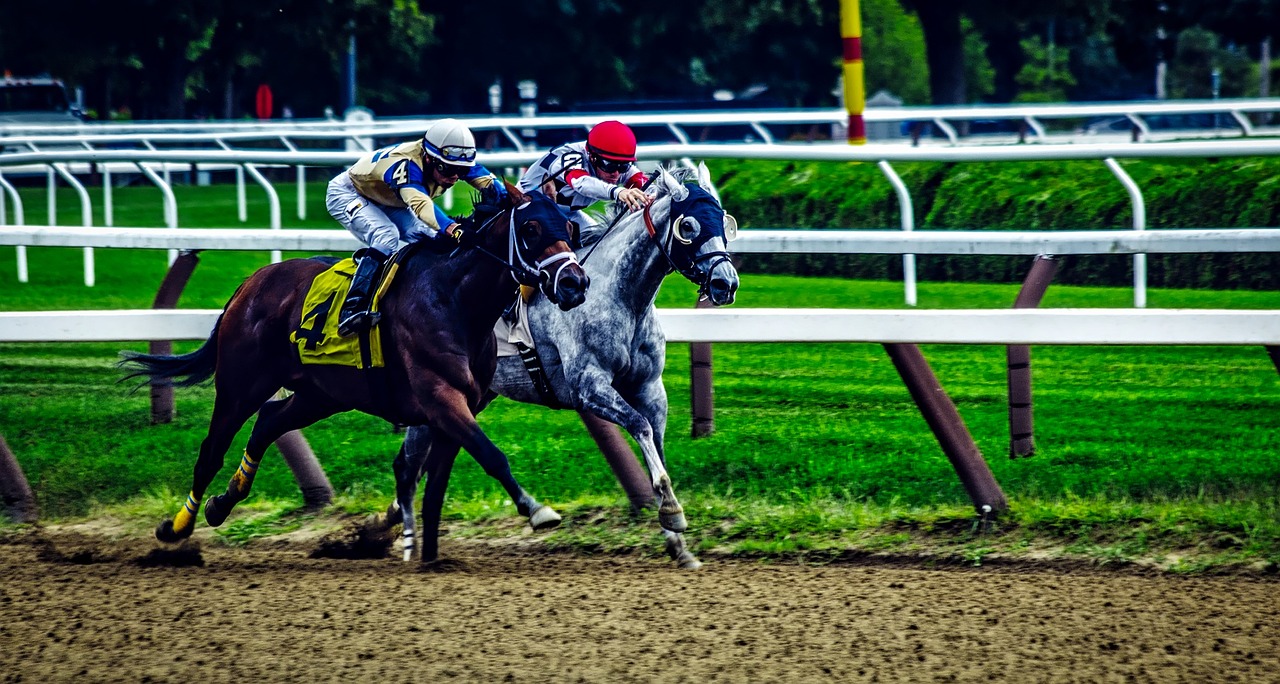
Racing strategies are a blend of art and science, requiring a deep understanding of the sport and an ability to adapt to ever-changing conditions. From the precision of pit stops to the tactics of overtaking, every element plays a vital role in a team’s success.
As technology and data analytics continue to evolve, so too will the strategies that drive racing teams to victory. Understanding these strategies offers fans a richer appreciation for the sport and highlights the intricate planning that goes into every race.
For those passionate about racing, delving into the strategies behind the competition adds a layer of excitement and insight, showcasing the brilliance that goes beyond the checkered flag.
The Role of Team Communication
Effective communication within the racing team is paramount for executing strategies successfully. The team’s pit wall, engineers, strategists, and drivers must be in constant communication to relay vital information and make critical decisions on the fly. Radio communication is the lifeline that connects the driver to the team, providing updates on everything from lap times to rival strategies.
During the race, drivers rely heavily on instructions from their race engineers, who analyze data and provide guidance on fuel management, tire condition, and potential overtaking opportunities. This synergy between driver and team is crucial for adapting strategies in real-time, especially when unforeseen circumstances arise.
Adaptive Strategies: Preparing for the Unexpected
No matter how meticulously a strategy is planned, the unpredictable nature of racing means that teams must be ready to adapt. This includes responding to on-track incidents, such as crashes, safety car deployments, or sudden changes in weather.
Adaptive strategies often involve quick decisions on whether to pit immediately or stay out longer, depending on the situation. For instance, a safety car period might present an ideal opportunity for a ‘free’ pit stop, minimizing the time lost compared to a stop under normal racing conditions.
Teams also develop contingency plans for various scenarios, ensuring they have a well-thought-out response to any curveballs the race might throw their way. This level of preparedness can be the difference between securing a podium finish and falling short.

Understanding the Competitive Landscape
Racing strategies don’t exist in a vacuum; they must be developed with consideration of the broader competitive landscape. Teams analyze their competitors’ strengths and weaknesses, track records, and historical data to predict their likely strategies.
This competitive intelligence allows teams to anticipate moves and counter-strategies, such as undercutting (pitting earlier than a competitor to gain track position) or overcutting (staying out longer to take advantage of faster lap times on fresher tires). Such tactical maneuvers require precise timing and execution to outsmart rivals and gain an advantage.
The Psychological Aspect of Racing
Beyond the technical and tactical elements, racing strategies also encompass the psychological battle between drivers. Maintaining composure under pressure, making split-second decisions, and executing overtakes with precision are all part of the mental game.
Drivers must also manage the psychological aspect of defending their position, which involves making a car as wide as possible to deter overtakes without breaking the rules. This mental fortitude is developed through experience and training, allowing drivers to perform consistently at their highest level.
The Evolution of Racing Strategies
Racing strategies have evolved significantly over the years, driven by advances in technology, changes in regulations, and the continuous pursuit of competitive advantage. The introduction of hybrid power units, for example, has added a new dimension to strategy, with energy management becoming a crucial consideration.
As the sport continues to innovate, strategies will undoubtedly adapt to new challenges and opportunities. The ongoing development in areas such as aerodynamics, tire technology, and fuel efficiency will shape the strategic landscape of racing for years to come.
Conclusion: The Future of Racing Strategy
Racing strategies are an ever-evolving discipline, requiring a blend of technical expertise, strategic thinking, and adaptability. As the sport continues to embrace technological advancements and new regulations, teams will need to innovate and refine their approaches to maintain a competitive edge.

The future of racing strategy promises to be as dynamic and exciting as the sport itself, with teams constantly pushing the boundaries of what is possible. For fans and participants alike, understanding these strategies enriches the experience of racing, highlighting the depth and complexity that make motorsport one of the most thrilling arenas of competition.
Ultimately, the strategic elements of racing are as crucial as the raw speed and skill on display, underscoring the multifaceted nature of this exhilarating sport.
The Role of Simulation and Virtual Testing
In today’s racing world, simulation and virtual testing have become indispensable tools for developing and refining racing strategies. Teams invest heavily in state-of-the-art simulators that replicate real-world conditions, allowing drivers to practice and strategists to test various scenarios before the race weekend.
These simulations help in understanding how different strategies might play out, providing insights into tire degradation, fuel consumption, and optimal pit stop windows. Virtual testing also allows teams to experiment with different race setups and strategies without risking damage to the car or consuming valuable track time.
Environmental and Sustainability Considerations
As the world becomes increasingly conscious of environmental issues, racing strategies are also evolving to incorporate sustainability. Teams are exploring ways to reduce their carbon footprint through more efficient fuel use, hybrid technologies, and sustainable materials.
Moreover, racing leagues are implementing rules to promote sustainability, such as limiting fuel consumption or reducing the number of tires allowed per race. These changes require teams to innovate and adapt their strategies to maintain performance while adhering to environmental guidelines.
Case Studies in Strategy Excellence

Throughout racing history, there have been numerous instances where strategic brilliance has led to unforgettable victories. One such example is the 2005 Monaco Grand Prix, where strategic pit stops and tire management played a pivotal role in Kimi Räikkönen’s victory.
Another notable case is the 2019 German Grand Prix, where a combination of strategic pit stops and adaptive decision-making enabled Lewis Hamilton to recover from a challenging start to secure a podium finish. These examples illustrate the profound impact of strategy on race outcomes, showcasing the intricate planning that goes on behind the scenes.
The Human Element: Drivers as Strategists
While teams play a crucial role in developing strategies, drivers are often the ones executing them on track. This requires a deep understanding of strategy from the driver’s perspective, as they must make real-time decisions and adjustments based on the evolving race conditions.
Drivers like Fernando Alonso and Sebastian Vettel are renowned for their strategic acumen, often making bold decisions that have turned the tide of a race. The ability to think strategically, combined with raw driving talent, is what sets great drivers apart from the rest.
Conclusion: Embracing the Complexity of Racing Strategies
Racing strategies are a fascinating blend of science, art, and intuition, demanding a holistic understanding of the sport and an ability to adapt to changing circumstances. As technology and innovation continue to advance, the strategic landscape of racing will become even more complex and exciting.
For enthusiasts and professionals alike, delving into the world of racing strategies offers a deeper appreciation for the sport, highlighting the cerebral elements that complement the physical demands of racing. The future holds endless possibilities for new strategies and innovations, ensuring that racing remains at the forefront of technological and competitive excellence.
In conclusion, whether you’re a fan, a driver, or a strategist, understanding the intricacies of racing strategies can enhance your appreciation of the sport’s complexity, making every race a thrilling blend of speed, skill, and strategy.
About the Author