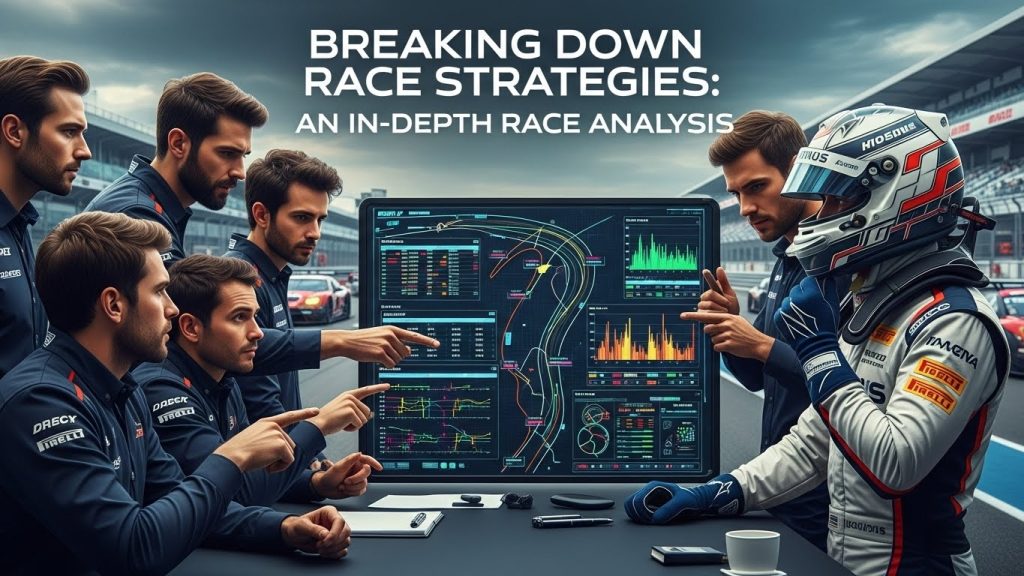
Breaking Down Race Strategies: An In-depth Race Analysis
In the world of racing, whether it be athletics, cycling, motorsports, or any other competitive format, understanding and implementing effective race strategies can make the difference between winning and losing. Each race presents a unique blend of challenges that require careful planning, keen insight, and split-second decision-making. In this comprehensive analysis, we will delve into various race strategies, examining key elements that athletes and coaches consider to maximize performance.
The Importance of Pre-Race Preparation
Pre-race preparation is often the foundation of any successful race strategy. This involves not only physical training but also mental conditioning and tactical planning. Athletes must understand their own strengths and weaknesses, as well as those of their competitors. For instance, a runner might focus on improving their endurance and pacing to outlast opponents, while a cyclist might enhance their sprinting capabilities for a strong finish.
Moreover, analyzing the race course is critical. Factors such as terrain, weather conditions, and elevation changes must be considered. For example, a marathon runner should be aware of where the hills are located on the course to conserve energy for crucial points in the race.
Mid-Race Strategies: Adapting to Dynamics
During the race, athletes need to be adaptable, responding to the unfolding dynamics in real-time. This is where experience and instinct come into play. For instance, if a competitor unexpectedly accelerates, a strategic decision must be made: should the athlete match the pace or maintain their plan?
Drafting is another mid-race strategy commonly used in cycling and motorsports. By staying close behind a competitor, athletes can reduce air resistance, conserving energy for later use. However, this requires a keen sense of timing to ensure they do not get boxed in by other competitors.
Understanding Opponents: The Psychological Edge

Racing isn’t just a physical contest; it’s a mental battle. Understanding the psychology of competitors can provide a significant advantage. Some athletes are known for their aggressive starts, while others prefer a more conservative approach, gradually building momentum. Recognizing these patterns can aid in formulating responses that disrupt opponents’ strategies.
Furthermore, maintaining a strong mental state is crucial to handling the pressure of competition. Techniques such as visualization and mindfulness can help athletes stay focused, especially during pivotal moments. For more insights into mental toughness, consider exploring resources on sports psychology.
Technological Advancements in Race Strategy
In recent years, technology has become an integral part of race strategy. From advanced wearables that monitor heart rate and pacing to sophisticated software that simulates race scenarios, technology aids athletes in optimizing their performance. Coaches often use data analytics to assess an athlete’s performance metrics, enabling them to refine training regimens and strategies.
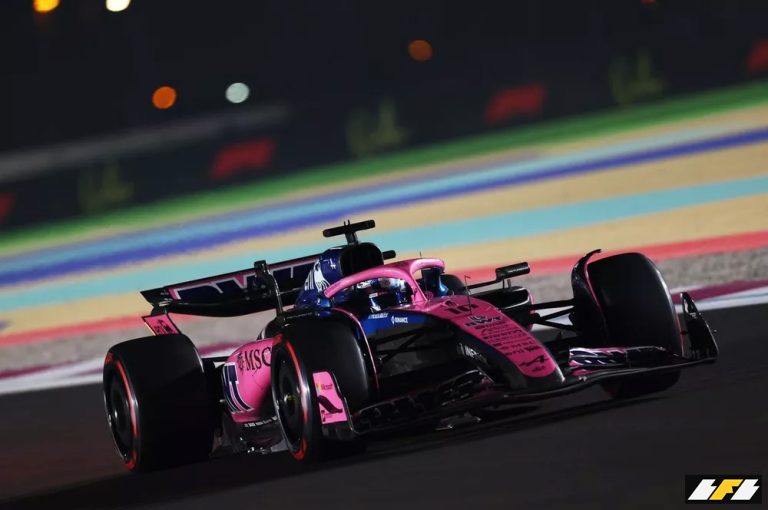
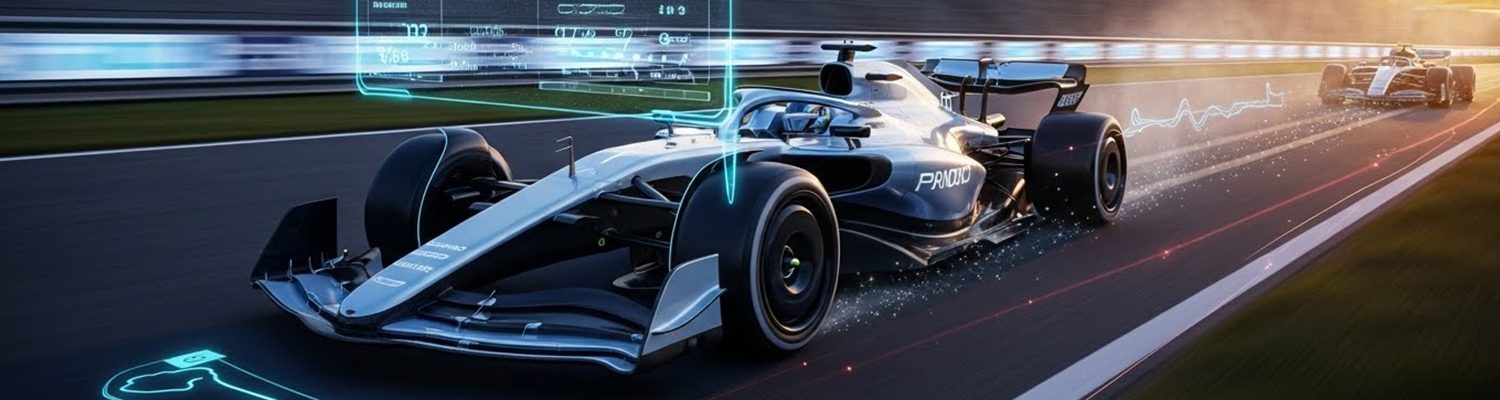
In motorsports, telemetry data is crucial for understanding vehicle performance and making real-time adjustments. Teams analyze this data to tweak strategies, deciding when to pit or how to configure the car for maximum speed and efficiency. To learn more about the role of technology in sports, visit SportTechie.
Post-Race Analysis: Learning and Improving
The race doesn’t end at the finish line. Post-race analysis is vital for continuous improvement. This involves reviewing performance data, assessing what strategies worked, and identifying areas for development. Athletes and coaches often conduct video analyses to scrutinize techniques and decision-making processes.
Feedback loops play a critical role in refining strategies. By understanding the outcomes of different tactical choices, athletes can make informed adjustments in future races. This iterative process is essential for long-term growth and success.
Case Studies: Iconic Race Strategies in Action
To illustrate the impact of race strategies, let’s examine a few iconic moments in racing history. In the 1984 Olympic Marathon, Joan Benoit Samuelson employed a bold strategy by taking an early lead, maintaining her pace, and ultimately winning gold. Her ability to break away from the pack early on showcased the effectiveness of surprise tactics and self-belief.
In motorsports, Ayrton Senna’s victory at the 1993 European Grand Prix is often cited as a masterclass in wet-weather driving strategy. Starting from fifth position, Senna’s precision and adaptability allowed him to take the lead in just a few laps, leveraging his superior car control in challenging conditions.
Conclusion: The Art of Race Strategy
Race strategy is a complex art that requires a blend of physical prowess, mental fortitude, and tactical acumen. Whether it’s the calculated precision of a marathoner conserving energy for the final sprint, or the aggressive maneuvers of a Formula 1 driver overtaking a competitor, each strategic decision is crucial.
By understanding the principles outlined in this analysis, athletes and coaches can enhance their approach to racing, optimizing performance through careful planning and execution. Ultimately, the most successful competitors are those who can seamlessly integrate preparation, adaptability, and analysis, turning every race into an opportunity for triumph.
For further reading on the intricacies of race strategy, consider exploring resources from World Athletics, which offers a wealth of information on athletic performance and race dynamics.
Training Techniques for Enhanced Race Strategy
Developing a winning race strategy is deeply rooted in training practices. Athletes need to simulate race conditions during training to adequately prepare for the challenges they will face. Interval training, for example, is a powerful method to build speed and endurance by alternating between high-intensity bursts and rest periods. This mimics the natural ebb and flow of race dynamics, allowing athletes to adapt to sudden changes in pace.
Moreover, cross-training can be beneficial for enhancing overall athletic performance. By incorporating other forms of exercise, such as swimming or yoga, athletes can improve flexibility, strength, and cardiovascular health, which are essential components of a comprehensive race strategy. To delve deeper into effective training techniques, the Verywell Fit website offers a plethora of resources on fitness and training.
Nutrition’s Role in Race Strategy
Nutrition is another critical factor that influences race strategy. The right dietary plan helps fuel the body, enhance recovery, and maintain energy levels throughout the race. A well-balanced diet rich in carbohydrates, proteins, and healthy fats is essential for optimal performance. Athletes should also pay attention to hydration, as dehydration can significantly impair physical and cognitive functions.
Carbo-loading, the practice of increasing carbohydrate intake before a race, is a common strategy among endurance athletes to maximize glycogen stores, providing sustained energy. Additionally, during the race, athletes might consume energy gels or sports drinks to replenish electrolytes and maintain glucose levels. For more in-depth nutritional advice for athletes, consider visiting the Academy of Nutrition and Dietetics.
Environmental Factors and Race Strategy
Environmental considerations can heavily influence race strategies. Factors such as altitude, temperature, and humidity must be accounted for when planning a race. High-altitude races, for example, require athletes to acclimate to lower oxygen levels, which can affect endurance and performance. Training at altitude or using simulated altitude environments can help athletes adapt.
In hot and humid conditions, strategies may include adjusting pacing to prevent overheating or ensuring adequate fluid intake to combat dehydration. Understanding and adapting to these environmental challenges is crucial to executing a successful race strategy.
Team Dynamics in Team-Based Races
In team-based races, such as relay races or team cycling events, strategy extends beyond individual performance. Team dynamics, including communication and coordination, play a pivotal role in success. Each team member must understand their specific role and how it contributes to the overall strategy.
For example, in professional cycling, teams often designate a leader who is supported by domestiques—riders who provide protection and assistance. The domestiques may help set the pace, shield the leader from wind, or assist in sprints, showcasing the importance of teamwork in achieving a common goal.
Adapting Strategies for Different Race Formats
Race strategies must be tailored to fit the specific format of the event. A strategy for a short-distance sprint will differ significantly from that of a marathon. In sprints, explosive power and quick acceleration are paramount, while marathons require a focus on endurance and energy conservation.
Similarly, in motorsports, strategies vary between formats such as rally racing, where navigation and handling take precedence, and circuit racing, where speed and pit stop efficiency are crucial. Each format demands a unique approach to maximize performance.
Through a comprehensive understanding of these elements, athletes and coaches can craft winning strategies that are adaptable to various scenarios. By continuously learning and evolving, they can position themselves for success in any racing arena.
The Role of Coaching in Race Strategy
Coaches play an integral part in developing and executing race strategies. Their experience and insights can guide athletes through the complexities of competitive racing. Coaches analyze data, observe competitors, and provide the necessary feedback to refine performance. They also help in creating game plans that align with the athlete’s strengths and weaknesses.
Effective communication between an athlete and their coach is vital. Regular discussions and strategy sessions can help in setting realistic goals, addressing concerns, and ensuring that both parties are on the same page. Additionally, coaches can offer motivational support, helping athletes maintain focus and confidence throughout their training and competition. For further exploration into coaching techniques, the Coaching Association of Canada offers valuable insights and resources.
Innovations in Race Strategy
The field of race strategy is ever-evolving, with new innovations continually emerging. From the use of AI and machine learning to predict race outcomes and optimize strategies, to the development of performance-enhancing gear, technology continues to reshape the landscape of competitive racing.
For instance, advancements in aerodynamics have led to the creation of specialized apparel and equipment that reduce drag, allowing athletes to move more efficiently. In motorsports, cutting-edge simulation tools enable teams to test race strategies in virtual environments, providing a risk-free platform for experimentation and learning.
Real-Life Applications of Race Strategies
Understanding and implementing race strategies isn’t limited to professional athletes; recreational runners, cyclists, and amateur racers can also benefit from these principles. By adopting structured training plans, setting achievable goals, and analyzing past performances, even casual participants can enhance their race experiences.
For instance, a novice runner preparing for their first 5K might focus on building a steady pace, while a seasoned cyclist competing in a local race could experiment with drafting techniques and strategic positioning. These strategies can help individuals achieve personal bests and foster a deeper appreciation for the sport.
Conclusion: The Ongoing Journey of Mastering Race Strategies
Mastering race strategies is a continuous journey of learning, adaptation, and growth. As athletes and coaches push the boundaries of what is possible, they contribute to an ever-expanding body of knowledge that benefits the entire sporting community. Whether on the track, the road, or the circuit, the principles of effective race strategy empower competitors at all levels to unlock their full potential.
As we explore the intricacies of race strategy, it’s clear that success is not solely determined by natural talent but by a comprehensive, thoughtful approach to competition. By embracing innovation, seeking expert guidance, and maintaining a commitment to improvement, athletes can transform challenges into opportunities for greatness. For a deeper understanding of competitive sports and strategy development, visit the International Olympic Committee for additional resources and insights.
About the Author