The Psychology of Race Results: How Outcomes Influence Future Performance
In the world of competitive sports, race results are more than just numbers on a scoreboard. They carry psychological weight, affecting athletes’ mental states and influencing future performances. Understanding the psychology behind race results can provide insights into how athletes react to success and failure and what strategies can help them improve. This post delves into the psychological impact of race results, exploring how they shape athletes’ mental frameworks and drive future actions.
The Immediate Impact of Race Results
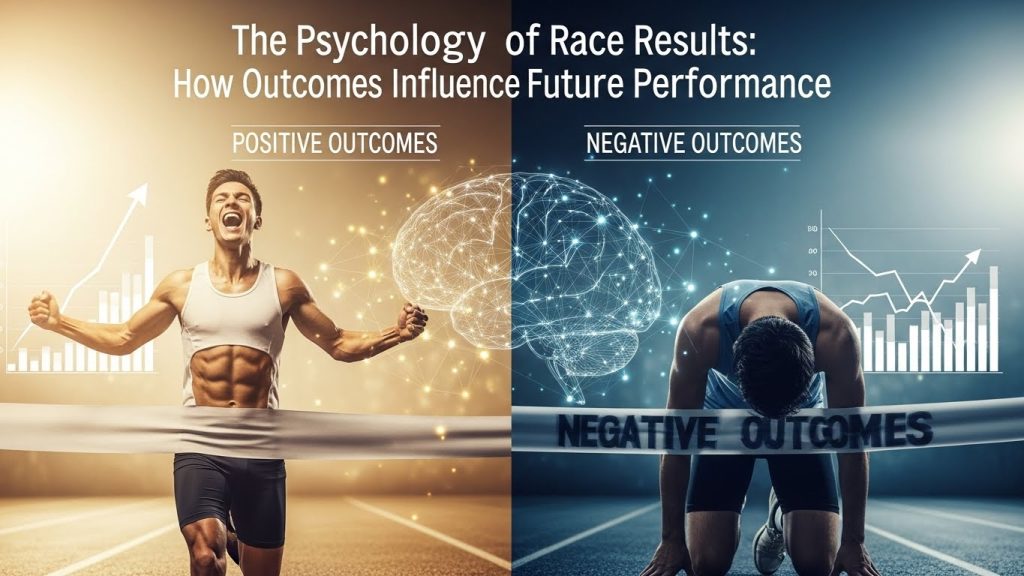
When athletes finish a race, the immediate result can evoke a spectrum of emotions, from euphoria to disappointment. These emotions are not merely fleeting but can set the tone for future training and competition. Psychological research suggests that emotions directly after a race can affect an athlete’s self-esteem and motivation.
For instance, a positive race result often serves as a validation of an athlete’s hard work and preparation, leading to increased self-confidence and motivation to maintain or exceed current performance levels. Conversely, a poor result can result in self-doubt and demotivation, potentially creating a negative feedback loop that hampers future performance. The immediate interpretation of a race outcome is crucial, as it often informs the athlete’s next steps, whether that involves doubling down on training or considering changes to strategy.
Attribution Theory: Understanding Success and Failure

Attribution theory explores how individuals interpret the causes of their successes and failures, which, in turn, affects their future behavior. According to this theory, athletes may attribute their race results to internal factors, such as skill and effort, or external factors, such as luck or environmental conditions.
Athletes who attribute success to internal factors are more likely to experience increased self-efficacy and motivation. This internal attribution encourages them to continue investing effort into their training. On the other hand, attributing failure to external factors can sometimes protect self-esteem but may also prevent athletes from making necessary improvements.
Successful athletes often demonstrate a growth mindset, viewing failures as opportunities for learning and growth. This mindset encourages them to analyze their race results critically and make adjustments to their training or strategy, leading to better performance in future races.
The Role of Feedback in Shaping Future Performance
Constructive feedback is a pivotal component in the psychological processing of race results. Coaches and mentors play a crucial role in helping athletes interpret their performances objectively, focusing on both strengths and areas for improvement. Effective feedback can transform a negative race result into a powerful learning experience.
Feedback should be specific, actionable, and focused on the process rather than the outcome. By emphasizing the skills and strategies needed to improve, coaches can help athletes maintain motivation and focus. According to sports psychology experts, athletes who receive high-quality feedback are more likely to engage in deliberate practice, a key factor in achieving elite performance levels.
The Influence of Social Comparisons
In the age of digital connectivity, athletes often have immediate access to peers’ performances through social media and online race result platforms. This accessibility can lead to social comparisons, which can either motivate or demotivate athletes, depending on how they interpret these comparisons.
Social comparisons can serve as a source of inspiration, pushing athletes to strive for performance levels achieved by their peers. However, they can also lead to feelings of inadequacy and pressure, especially if athletes perceive themselves as consistently falling short. Managing social comparisons is crucial for maintaining a healthy psychological state. Athletes are encouraged to focus on personal progress and goals rather than external benchmarks.
Emotional Resilience and Coping Strategies
Emotional resilience is the ability to bounce back from setbacks and maintain focus on long-term goals. It is a critical trait for athletes who regularly face the highs and lows of competition. Developing resilience involves learning effective coping strategies to deal with both success and failure.
Common coping strategies include positive self-talk, visualization, and mindfulness practices. These techniques help athletes manage stress and maintain a balanced perspective on their race results. According to mindfulness experts, incorporating mindfulness into training routines can enhance focus and emotional regulation, ultimately leading to better performance.
The Long-Term Psychological Effects of Race Results
Over time, the accumulation of race results can shape an athlete’s identity and self-concept. Consistent success can lead to a strong identification with athletic achievement, which can be beneficial but also risky if it becomes the sole basis of self-worth. Similarly, persistent negative results can erode self-esteem and lead to burnout if not addressed constructively.
Long-term success in sports requires a balanced approach to race results, where athletes recognize their value beyond athletic achievements. Encouraging a multifaceted identity helps athletes maintain mental health and motivation, even when facing setbacks. Psychologists recommend that athletes engage in diverse interests and activities to foster a well-rounded self-concept.
Conclusion: Harnessing the Power of Race Results
The psychology of race results is complex, intertwining emotions, attributions, feedback, social comparisons, and identity. By understanding these elements, athletes can harness the power of race results to enhance their future performance. Success lies not only in physical preparation but also in the mental strategies that enable athletes to interpret and respond to their results constructively.
As athletes continue to compete and evolve, the lessons learned from race results become invaluable tools for growth and achievement. By fostering resilience, a growth mindset, and a balanced self-concept, athletes can transform race results into powerful catalysts for future success.
Strategies for Interpreting Race Results Constructively
Interpreting race results constructively is a skill that athletes can develop over time. This involves adopting a mindset that views each result as a stepping stone towards improvement, rather than a definitive measure of ability. Here are some strategies that can help athletes in this process:
- Set Process-Oriented Goals: Instead of focusing solely on outcomes, athletes should set goals related to the process of competition, such as improving technique or maintaining focus under pressure. This shift in focus can alleviate the stress associated with outcomes and encourage a more positive interpretation of race results.
- Reflect and Analyze: After a race, taking time to reflect on what went well and what could be improved is crucial. This analysis should be objective and focus on specific aspects of performance, such as pacing or strategy, rather than a general sense of success or failure.
- Seek Feedback from Trusted Sources: Receiving feedback from coaches or peers can provide valuable insights that athletes might overlook. Trusted sources can offer a different perspective and help athletes identify areas for improvement that they might not recognize on their own.
The Role of Psychological Support in Competitive Sports
Professional athletes increasingly recognize the importance of psychological support in enhancing performance. Sports psychologists and mental coaches are integral to many athletes’ support teams, helping them navigate the psychological challenges of competition.
Sports psychologists work with athletes to develop mental skills that enhance focus, confidence, and resilience. Techniques such as cognitive restructuring, where athletes learn to challenge and change negative thought patterns, are commonly used. Mental health professionals emphasize that developing these skills can lead to improved performance and well-being, both on and off the field.
Case Studies: Real-World Examples of Psychological Resilience
Examining real-world examples of athletes who have demonstrated psychological resilience can provide inspiration and practical insights. Consider the story of an Olympic athlete who faced a significant setback during a major competition but used the experience as a springboard for future success.
This athlete chose to view the setback not as a failure, but as an opportunity to reassess training methods and mental strategies. By incorporating feedback, focusing on mental conditioning, and setting new goals, the athlete returned to competition with renewed determination and eventually achieved personal bests.
Such stories highlight the power of a resilient mindset and the importance of viewing race results as part of a larger journey rather than isolated events.
Conclusion: Embracing the Journey
The psychology of race results is an integral aspect of athletic performance, influencing how athletes perceive themselves and their capabilities. By understanding and harnessing the psychological impact of race outcomes, athletes can turn challenges into opportunities for growth and development.
Ultimately, embracing the journey of competition with its ups and downs is crucial for long-term success. Athletes who cultivate a resilient mindset, focus on process-oriented goals, and seek constructive feedback are better equipped to navigate the dynamic landscape of competitive sports. As they continue to evolve, the insights gained from interpreting race results constructively will serve as a foundation for achieving their highest potential.
About the Author