A Closer Look at Safety Measures in F1: How the Industry Prioritizes Racer Safety
In the world of Formula 1 racing, speed and precision are at the forefront. However, underneath the glamour and high-speed excitement, there’s an unyielding commitment to safety. The sport has seen significant advancements in safety measures, making it one of the most regulated events globally. This article delves deep into the intricacies of F1 safety measures, illustrating how the industry prioritizes the well-being of its drivers.
The Evolution of F1 Safety Standards
Since its inception in the 1950s, Formula 1 has undergone tremendous changes, especially in terms of safety. In the early days, safety was minimal, with drivers wearing little more than a helmet and a cotton shirt. Over time, the increasing number of accidents and fatalities prompted a reevaluation of safety standards.
One of the major advancements was the introduction of the FIA Safety Regulations, which set the benchmark for all motorsport events. These regulations have evolved to include stringent requirements for both car construction and driver gear, ensuring maximum protection.
Technological Innovations in Car Design
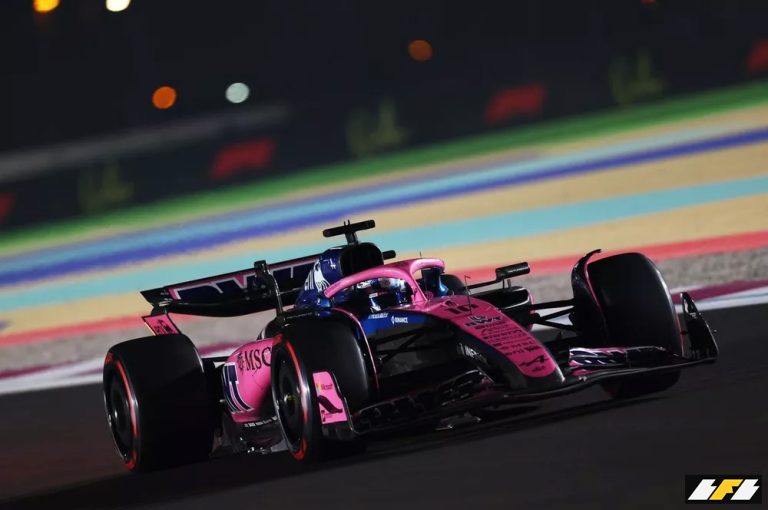
Modern F1 cars are technological marvels, designed with safety as a primary concern. One of the most significant innovations is the monocoque chassis, a single-piece construction that provides a protective shell around the driver. This design, derived from aerospace engineering, offers exceptional rigidity and crash protection.
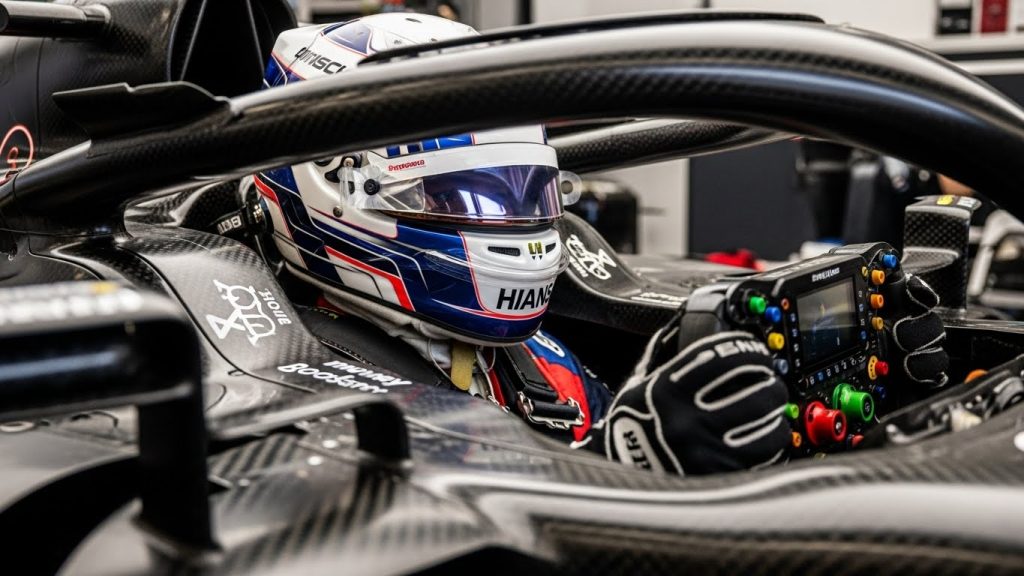
Another crucial feature is the Halo device, introduced in 2018. This titanium structure is designed to protect drivers from flying debris and impacts, as exemplified in the 2020 Bahrain Grand Prix, where Romain Grosjean’s life was saved by the Halo during a fiery crash.
Advanced Safety Gear for Drivers
Driver safety gear is equally crucial in ensuring protection. Modern F1 drivers are equipped with state-of-the-art suits made from Nomex, a fire-resistant material that can withstand temperatures up to 800 degrees Celsius. These suits are complemented by fireproof undergarments, gloves, and boots.

The helmet, a critical component of driver safety gear, is subjected to rigorous testing. It is constructed from carbon fiber, providing unparalleled protection against high-speed impacts. With advancements in technology, helmets now include integrated communication systems and visors with anti-fogging properties, enhancing both safety and performance.
Track Safety Measures
F1 tracks are meticulously designed with safety in mind. The layout of the track, barriers, and runoff areas are strategically planned to minimize the risk of accidents and ensure rapid response in the event of an incident.
Barrier technology has seen significant advancements, with the introduction of Tecpro barriers, which are more effective than traditional tire walls. These barriers absorb impact more efficiently, reducing the forces transmitted to the driver.
Medical Preparedness and Response
In addition to technological advancements, medical preparedness is a cornerstone of F1 safety. Each race is supported by a highly-trained medical team, ready to respond within seconds. The presence of a medical car, equipped with advanced life-support systems, ensures immediate assistance in the event of a crash.
The FIA Medical Delegate oversees the implementation of medical protocols, ensuring that all personnel are trained and equipped to handle emergencies. This preparedness was evident during the 2020 Bahrain GP, where rapid response played a crucial role in ensuring driver safety.
Continuous Improvement and Future Innovations
The philosophy of continuous improvement drives safety innovations in F1. The sport is constantly evolving, with advancements in materials science, aerodynamics, and electronics contributing to safer racing conditions.
Future innovations are focused on enhancing driver protection and minimizing accident risks. Research into new materials and technologies, such as biometric sensors and advanced driver-assist systems, promises to further elevate safety standards in the coming years.
The role of technology in improving safety cannot be overstated, and it continues to be a key area of focus for teams and regulators alike.
The Role of Governing Bodies
The FIA (Fédération Internationale de l’Automobile) is the governing body responsible for implementing safety regulations in F1. Their commitment to safety is evident in the rigorous testing and certification processes that all components and equipment must undergo.
The FIA works closely with teams, engineers, and medical experts to develop and refine safety standards. Their efforts have led to significant reductions in fatalities and major injuries, emphasizing the effectiveness of their regulations.
Through initiatives like the FIA Mobility World Council, the organization also promotes safety beyond the racetrack, advocating for better road safety worldwide.
Takeaways
Formula 1 has come a long way from its early days, where safety was an afterthought, to becoming a pioneer in motorsport safety. Through continuous innovation and stringent regulations, F1 has set a benchmark for safety that is emulated across the motorsport world. The concerted efforts of engineers, teams, and governing bodies have not only enhanced driver safety but have also contributed to broader safety advancements in the automotive industry.
As the sport continues to evolve, the commitment to safety remains paramount, ensuring that while the quest for speed and performance continues, it is never at the expense of the well-being of its drivers.
Lessons Learned from Past Incidents
Throughout the history of Formula 1, certain tragic incidents have served as pivotal learning moments that have spurred significant safety improvements. The deaths of Ayrton Senna and Roland Ratzenberger at the 1994 San Marino Grand Prix were wake-up calls that prompted immediate changes in the sport.
In response to these tragedies, the FIA introduced the Advisory Expert Group on Safety, tasked with investigating the causes of crashes and recommending safety enhancements. This led to the introduction of head and neck support systems (HANS), higher cockpit sides, and better crash testing protocols.
Analyzing past incidents continues to be an integral part of safety development in F1. Each accident is meticulously reviewed, and lessons are incorporated into future designs and regulations, ensuring that history does not repeat itself.
Driver Training and Awareness
While technology and regulations play a critical role in ensuring safety, the importance of driver training and awareness cannot be overstated. Drivers undergo rigorous training not only to hone their skills but also to understand the safety systems in their cars and the protocols to follow in case of an emergency.
Simulators are used extensively to recreate race scenarios, allowing drivers to practice responses to potential dangers. This preparation is crucial in equipping drivers with the knowledge and reflexes needed to handle high-pressure situations effectively.
Moreover, drivers are educated on the importance of mental and physical fitness, which significantly contributes to their ability to make split-second decisions that could prevent accidents on the track.
Collaborations and Research Initiatives
Safety in Formula 1 is the result of collaborative efforts between teams, governing bodies, and research institutions. Partnerships with organizations such as the FIA Foundation and leading universities have led to groundbreaking research in materials science, crash dynamics, and injury prevention.
Continuous investment in research is vital for the development of new technologies and materials that enhance safety. For example, advancements in composite materials have resulted in lighter yet stronger car components that improve both safety and performance.
Such collaborations ensure that the sport remains at the forefront of safety technology, benefiting not only F1 but also the broader automotive industry through the trickle-down effect of these innovations.
Public Perception and the Role of Media
Media plays a significant role in shaping public perception of F1 safety. Coverage of races, especially incidents, highlights the importance of safety measures and the effectiveness of current systems. By showcasing the resilience and robustness of F1 safety protocols, the media helps build confidence among fans and stakeholders.
Documentaries and special features on safety innovations provide deeper insights into the efforts made to protect drivers. These narratives not only inform the public but also celebrate the advancements achieved through years of dedicated research and development.
Furthermore, media coverage of FIA‘s safety initiatives and collaborations underscores the sport’s commitment to continuous improvement, reinforcing its reputation as a leader in motorsport safety.
Takeaways
As we conclude this exploration of safety measures in Formula 1, it is clear that the sport’s commitment to safety is unwavering. Through technological innovation, rigorous regulations, and collaborative efforts, F1 has transformed itself into a model of safety excellence.
The lessons learned from past experiences, coupled with ongoing research and development, ensure that safety remains at the heart of every race. As the sport continues to push the boundaries of speed and performance, the assurance of driver safety will always be the ultimate priority, exemplifying the balance between thrill and responsibility that defines Formula 1.
Looking Ahead: The Future of F1 Safety
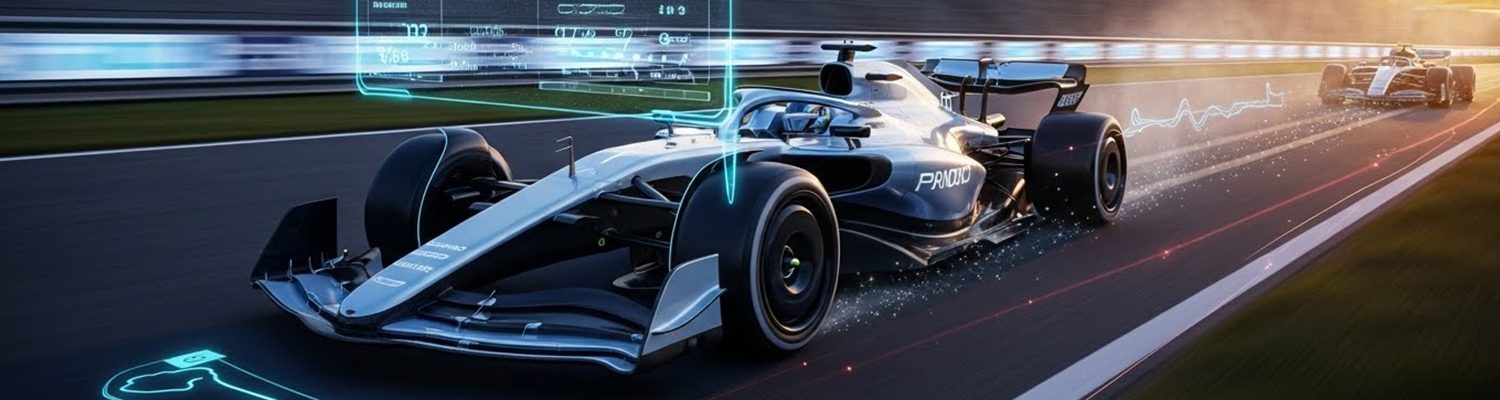
The future of Formula 1 safety is a promising one, as technological advancements and regulatory measures continue to evolve. The integration of artificial intelligence and machine learning in race strategies and car systems is expected to enhance safety significantly. These technologies can predict potential hazards and assist drivers in making more informed decisions, thereby reducing the likelihood of accidents.
Moreover, the development of autonomous safety vehicles and drones for rapid response and monitoring is being explored. These innovations could revolutionize the way incidents are managed on and off the track, providing faster and more efficient emergency responses.
Furthermore, the FIA’s commitment to sustainability is also leading to the exploration of eco-friendly materials and technologies that do not compromise safety standards. The push towards greener solutions is set to play a significant role in shaping the safety protocols of the future.
The Impact of F1 Safety on Road Cars
One of the lesser-known yet significant impacts of F1 safety advancements is their influence on consumer vehicles. Technologies developed for F1 often find their way into everyday cars, enhancing safety for the average driver. Innovations such as anti-lock braking systems (ABS), traction control, and advanced driver-assistance systems (ADAS) have roots in motorsport research and development.
This transfer of technology highlights the broader implications of F1 safety measures, as they contribute to making roads safer for everyone. The sport continues to be a testing ground for cutting-edge safety technologies, which eventually benefit the global automotive industry and road safety at large.
By pushing the limits of engineering and safety, Formula 1 not only entertains millions of fans worldwide but also plays a crucial role in advancing automotive safety technology that impacts everyday life.
Community Engagement and Education
Community engagement and education are integral to the ongoing success of F1 safety initiatives. The sport actively involves fans and communities in understanding the importance of safety measures. Through educational programs, workshops, and interactive events, fans are educated on the complexities of F1 safety and the efforts involved in protecting drivers.
These initiatives foster a culture of safety awareness and appreciation among fans, encouraging them to advocate for safety in their own communities. By promoting safety education, Formula 1 not only enhances its relationship with fans but also contributes to a safer society.
Engagement efforts also include collaborations with educational institutions and technical schools to inspire the next generation of engineers and innovators who will continue the legacy of safety in motorsport.
Conclusion: A Legacy of Safety and Innovation
In conclusion, the legacy of safety and innovation in Formula 1 is a testament to the sport’s dedication to protecting its drivers while delivering the thrill of racing. As F1 evolves, the commitment to safety remains steadfast, driven by the relentless pursuit of excellence and innovation.
The advancements achieved in F1 safety not only enhance the sport but also contribute significantly to the broader automotive industry, setting new benchmarks for safety worldwide. As we look to the future, the continued integration of technology, education, and community engagement will ensure that Formula 1 remains at the forefront of safety innovation, inspiring generations to come.
For more insights into the transformative journey of safety in motorsport, explore the vast resources available through the official Formula 1 website and related research publications. These platforms offer a deeper understanding of the technologies and strategies that have shaped the sport into a beacon of safety and innovation.
About the Author