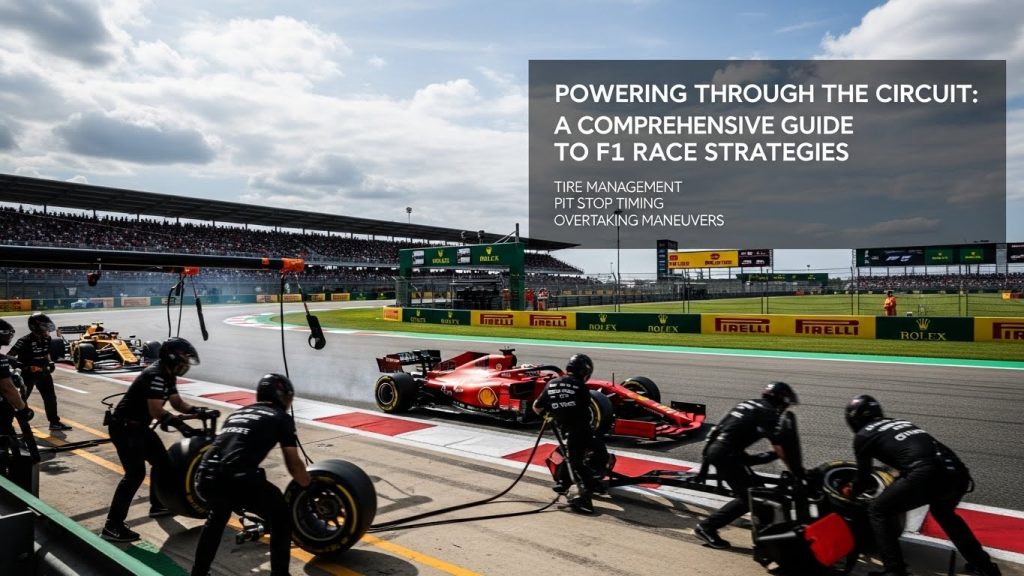
Powering Through the Circuit: A Comprehensive Guide to F1 Race Strategies
Formula 1, the pinnacle of motorsport, is as much a test of strategic acumen as it is a showcase of speed and engineering brilliance. With the 2023 season bringing new challenges and opportunities, understanding the intricacies of F1 race strategies becomes essential for teams and fans alike. This guide delves into the multifaceted strategies that define F1 racing, from tire management to fuel efficiency, and how teams optimize their performance under the ever-watchful gaze of global spectators.
The Importance of Strategy in F1 Racing
In Formula 1, races are won not only on the track but also in the minds of strategists. The ability to predict the unpredictable, such as weather changes or safety car interventions, can significantly impact a team’s position. A well-devised strategy can elevate a mid-field team to podium finishes or help a leading team fend off competitors.
Strategy in F1 extends beyond the race day. It encompasses everything from pit stop efficiency to tire selection and fuel management. Each decision is influenced by data analytics, historical precedents, and real-time track conditions, making F1 a dynamic chess game at 200 mph.
Mastering Tire Management
Tires are arguably the most critical component in a race car’s arsenal. Their condition can dictate the pace of a car, and hence, managing them effectively is paramount. Tire strategies often revolve around the choice between different compounds provided by Pirelli, F1’s official tire supplier.

Teams must decide between soft, medium, and hard compounds, each offering a trade-off between speed and durability. For instance, soft tires offer greater grip and faster lap times but degrade quickly, necessitating more frequent pit stops. Conversely, hard tires last longer but provide less traction.
Weather conditions further complicate tire management. An unexpected rain shower can lead to a switch to intermediate or wet tires, dramatically altering race strategy. Learning from historical races, like the memorable 2021 Hungarian Grand Prix, where tire choice under changing conditions played a decisive role, teams strive to optimize their tire strategies for every possible scenario.
Fuel Management: The Balancing Act
Fuel management is another critical aspect of F1 strategy. Teams must calculate the precise amount of fuel needed to complete the race while maintaining enough reserve for unforeseen circumstances. Carrying excess fuel can slow the car down, while insufficient fuel can lead to disastrous outcomes.
With the introduction of more sustainable fuels and hybrid power units, understanding the energy recovery systems and their integration with fuel strategies has become crucial. Teams like Mercedes and Ferrari have pioneered techniques to maximize fuel efficiency without compromising performance.
Moreover, fuel strategies are closely linked to engine modes. Drivers can switch between different modes to conserve fuel during specific race phases, a tactic that requires seamless coordination between the driver and the pit wall. This is especially important during safety car periods or when defending against close rivals.
Overtaking Strategies and DRS
Overtaking in F1 is a skill honed through precision and strategy. The Drag Reduction System (DRS) plays a vital role in facilitating overtakes on specific parts of the track. Understanding the optimal use of DRS zones can provide drivers with the extra speed needed to pass competitors.
However, overtaking is not just about speed. Drivers must judge their rivals’ weaknesses, tire conditions, and fuel levels to decide the perfect moment for an overtake. The 2022 Abu Dhabi Grand Prix saw how strategic use of DRS and tire management allowed Max Verstappen to clinch a crucial victory.
Teams often employ simulations and data analysis to prepare overtaking strategies, ensuring that drivers are equipped with all necessary information to make split-second decisions on the track.
Strategic Pit Stops
Pit stops are a race within a race, with every millisecond counting. A well-timed pit stop can mean the difference between winning and losing. Teams meticulously plan pit stop strategies based on tire wear, fuel levels, and traffic conditions.
The quickest pit stops often involve a change of tires, refueling, and minor adjustments, all completed in under three seconds. During the 2020 season, Red Bull Racing set a new record with a 1.82-second pit stop, showcasing the importance of precision and teamwork.
Deciding when to pit is a crucial component of race strategy. For example, pitting during a safety car period can save valuable time, as cars travel at reduced speeds. However, this requires quick decision-making and the ability to predict competitors’ moves.
Adaptability: The Key to Success
In F1, adaptability is the cornerstone of success. Teams must be ready to alter their strategies in response to real-time developments. Whether it’s a sudden change in weather, a crash, or an unexpected mechanical issue, the ability to pivot and adapt can save a race or even a championship.
One of the most famous examples of adaptability in F1 history occurred during the 2008 Brazilian Grand Prix, where Lewis Hamilton’s team made a last-minute tire change that ultimately secured him the championship. Such moments underscore the importance of strategic flexibility.
Teams employ simulation tools and predictive algorithms to model various scenarios, allowing them to make informed decisions under pressure. This technological edge often separates the contenders from the pretenders.
Conclusion: The Strategic Symphony of F1 Racing
Formula 1 is a sport where strategy and speed coalesce to create thrilling spectacles that captivate millions worldwide. The strategic elements of F1 racing—from tire and fuel management to overtaking and pit stop timing—are as crucial as the engineering marvels that propel these cars to incredible speeds.
As the sport evolves, with innovations like the FIA’s technical regulations and sustainable energy solutions, the role of strategy becomes even more pronounced. Teams must continue to innovate, adapt, and execute with precision to succeed on the global stage.
Whether you’re a seasoned fan or a newcomer to F1, understanding these strategic nuances enhances the appreciation of the sport’s complexity and the brilliance of those who master it. As we look forward to future seasons, the strategic battles will undoubtedly continue to dazzle and inspire.
The Role of Technology in Strategy Development
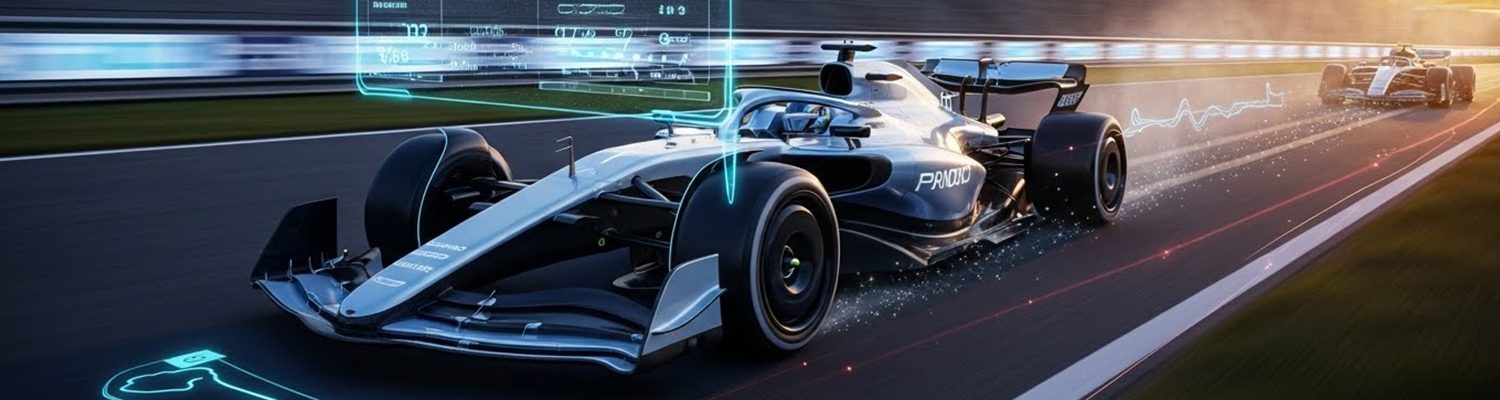
In the modern era of Formula 1, technology plays an indispensable role in strategy development and execution. With the advent of advanced telemetry systems and real-time data analytics, teams have access to a wealth of information that can be leveraged to refine race strategies.
Data collected from hundreds of sensors on the cars provide insights into everything from tire temperature and brake wear to aerodynamic performance and engine health. This data is analyzed by a team of experts who work closely with strategists to make informed decisions about race tactics.
Moreover, remote operations centers, often referred to as mission control, allow teams to monitor race proceedings and coordinate with the pit crew and drivers in real time. These centers are equipped with cutting-edge technology, enabling them to simulate various race scenarios and devise contingency plans.
Effective Communication: The Unsung Hero
While data and technology are critical, effective communication remains a cornerstone of successful race strategies. The seamless exchange of information between drivers, engineers, and strategists is vital for executing plans on race day.
Teams employ a range of communication tools, including radio systems and encrypted messaging platforms, to ensure that all members are aligned and informed. The precision in communication allows drivers to make quick decisions based on intricate strategy instructions, adapting to changes on the fly.
Legendary races like the 2016 Monaco Grand Prix highlight the importance of clear communication. During this race, strategic radio calls guided Lewis Hamilton to victory amidst changing weather conditions and intense competition.
Strategic Innovations: The Future of F1
As Formula 1 continues to evolve, so do the strategic innovations that teams employ. The introduction of new regulations and technologies, such as the hybrid power units and advanced aerodynamics, has opened new avenues for strategic creativity.
One area of innovation is the use of artificial intelligence and machine learning to predict race outcomes and optimize decision-making. These technologies can analyze vast amounts of historical data to identify patterns and suggest optimal strategies for various race conditions.
Additionally, teams are exploring ways to integrate virtual reality and augmented reality into training and strategy development, providing drivers and engineers with immersive simulations that enhance their preparedness for race day challenges.
Learning from the Past: Historical Strategy Lessons
The history of Formula 1 is rich with lessons on strategy and its impact on race outcomes. By analyzing past races, teams gain valuable insights that inform their future strategies.
For instance, the 2005 United States Grand Prix serves as a cautionary tale of tire management, where tire failures led to a dramatic reduction in the number of competing cars. This incident underscored the importance of understanding tire limitations and informed future strategies regarding tire choice and management.
Similarly, the 2012 Brazilian Grand Prix demonstrated the effectiveness of adaptive strategies, as Sebastian Vettel overcame early setbacks to clinch the championship through a series of strategic pit stops and overtakes.
Conclusion: The Ever-Evolving Chessboard
In the grand theater of Formula 1, race strategies are the invisible hands that guide the outcome of every Grand Prix. As teams and drivers continue to push the boundaries of what’s possible, the role of strategy becomes increasingly complex and vital.
From the roar of the engines to the split-second decisions made on the pit wall, every element of F1 racing is a testament to human ingenuity and competitive spirit. As fans, understanding the strategic underpinnings of the sport enhances our appreciation of the skill and intellect that define Formula 1.
As we look ahead to future seasons, the strategic landscape will undoubtedly continue to evolve, driven by technological advancements and the relentless pursuit of excellence. In this ever-changing environment, the teams that master the art of strategy will remain at the forefront of this exhilarating sport.
About the Author