A Closer Look at Safety Measures in F1: How the Industry Prioritizes Racer Safety
Formula 1 racing is a sport synonymous with speed, precision, and adrenaline. However, behind this high-octane world lies a core value that the industry consistently prioritizes: safety. Over the decades, F1 has evolved, not only in terms of technological advancements and competitiveness but also through its unwavering commitment to protecting its drivers. This post delves into the meticulous safety measures that have been instituted in F1 racing and how these measures have transformed the sport into one of the safest motorsport disciplines today.
The Evolution of Safety in F1
The journey of safety in F1 has been one of continuous innovation and adaptation. In the early years of the sport, safety standards were rudimentary, often leading to tragic accidents. However, the modern era of F1 has seen an exponential leap in safety protocols and technology.
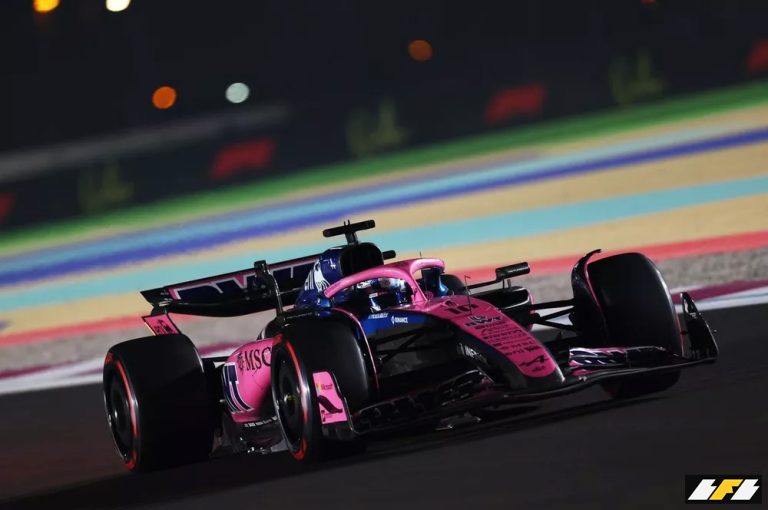
One of the pivotal moments in F1 safety history was the introduction of the Halo system in 2018. This titanium structure, which surrounds the driver’s cockpit, was designed to protect drivers from flying debris and severe impacts. Despite initial resistance, its implementation has been crucial in saving lives, highlighting the sport’s commitment to prioritizing driver safety.
Advanced Car Design
Modern F1 cars are a marvel of engineering, with safety at the forefront of their design. The monocoque structure of the car, also known as the survival cell, is built to be incredibly strong and durable, providing a safe cocoon for drivers.
Additionally, the use of carbon fiber in constructing these vehicles offers a high strength-to-weight ratio, ensuring the cars remain lightweight while being exceptionally robust. The inclusion of crumple zones, much like those found in commercial vehicles, helps to absorb energy during a crash, minimizing the impact forces transmitted to the driver.
Comprehensive Safety Gear

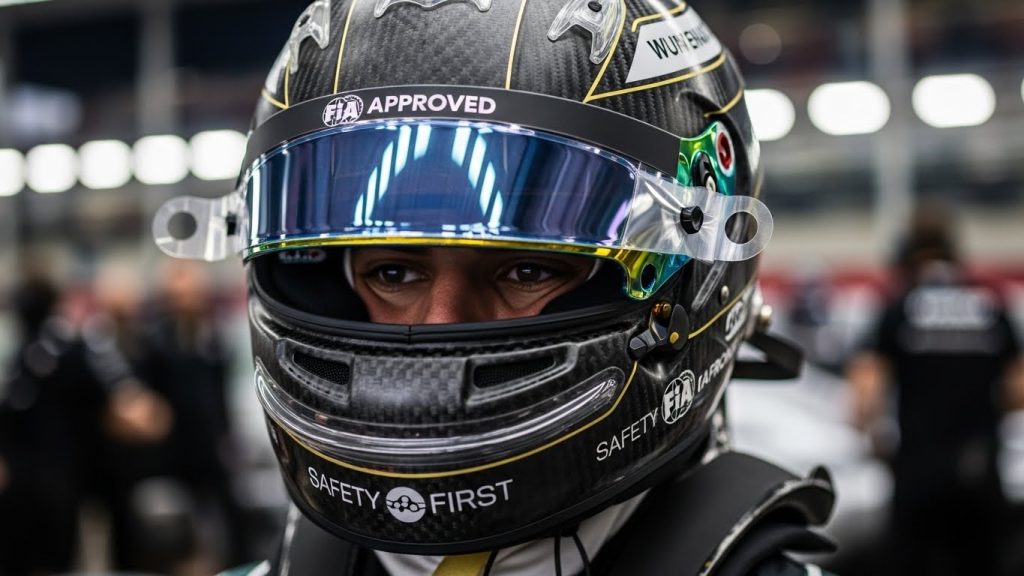
Beyond car design, the safety gear worn by F1 drivers is another critical aspect of safety measures. The driver’s helmet, constructed from composite materials, is designed to withstand extreme forces and protect against head injuries. Helmets are rigorously tested under various conditions to ensure maximum safety.
Moreover, the racing suits worn by drivers are made from fire-resistant materials like Nomex, which can withstand temperatures of up to 800 degrees Celsius. This ensures that in the event of a fire, drivers have crucial seconds to escape without sustaining burns.
Track Safety Enhancements
Track safety is another vital component in ensuring the well-being of F1 drivers. Over the years, circuits have been redesigned to incorporate safety features that reduce the risk of accidents and protect spectators and drivers alike.
For instance, the implementation of TecPro barriers, which replace traditional tire barriers, has enhanced safety by providing better energy absorption. Additionally, the use of asphalt run-off areas instead of gravel traps allows drivers to regain control of their cars more effectively, reducing the likelihood of cars flipping or rolling over.
Medical Response and Protocols
In the unfortunate event of an accident, F1’s medical response is swift and highly efficient. The FIA, the governing body of Formula 1, ensures that every race is equipped with a fully staffed medical team, including trauma specialists and state-of-the-art medical equipment.
The medical car, which follows the drivers during the opening lap, is ready to respond immediately to incidents. This proactive approach, coupled with rigorous medical protocols, ensures that drivers receive immediate attention, significantly improving their chances of recovery.
Continuous Improvement and Research
The commitment to safety in F1 does not stop with current measures. Continuous research and development are crucial to staying ahead of potential risks. Organizations like the FIA consistently review and update safety regulations, incorporating the latest scientific findings and technological advancements.
Collaboration with research institutions and technology companies allows F1 to innovate further, ensuring that safety measures evolve in tandem with the sport’s other advancements. This dedication to research underlines the sport’s proactive stance on safety, ensuring that it remains a top priority.
The Role of Data and Technology
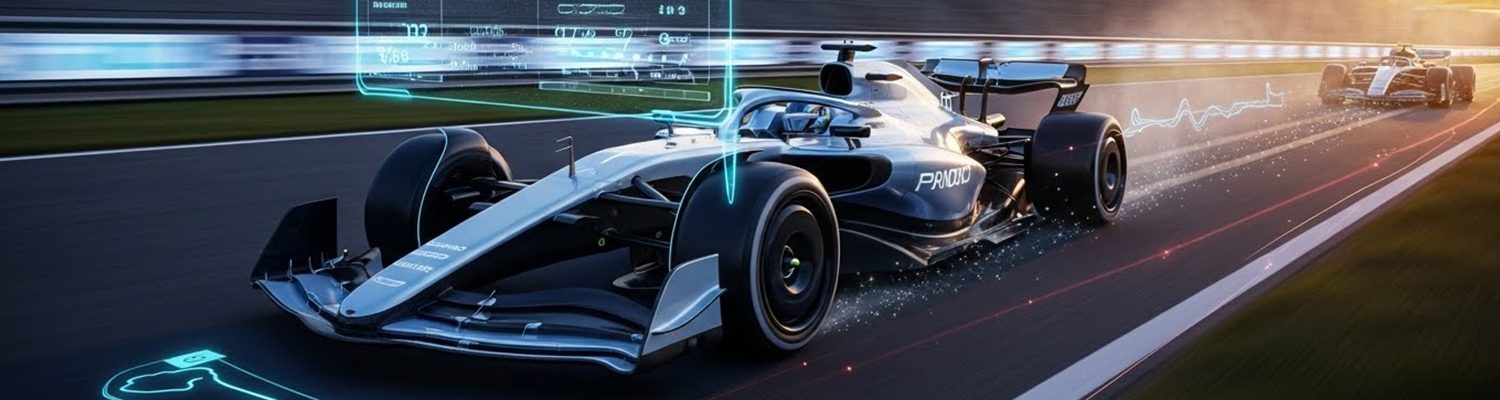
Data plays an integral role in enhancing safety in F1. Advanced telemetry systems provide real-time data that teams and race officials can use to monitor car performance and identify potential safety issues. This data-driven approach allows for preemptive measures to be taken, reducing the risk of accidents.
Furthermore, simulation technology has become a cornerstone in F1 safety. Drivers can practice and refine their skills in a controlled environment, allowing them to better anticipate and react to potential hazards on the track.
Takeaways
As F1 continues to push the boundaries of speed and performance, the safety of its drivers remains a paramount concern. Through a combination of advanced car design, comprehensive gear, enhanced track safety, and rapid medical response, the sport has transformed into one of the safest forms of motorsport.
The ongoing commitment to research and development, data-driven strategies, and technological advancements ensure that F1 remains at the forefront of safety innovation. As the sport evolves, so too will its safety measures, ensuring that the thrill of racing is matched by an unwavering dedication to protecting those who dare to push the limits.
For more insights into the world of motorsport safety, visit the Motorsport Network for comprehensive coverage and analysis.
Fostering a Culture of Safety
Beyond technological advancements and protocols, fostering a culture of safety within the F1 community is crucial. This culture starts at the top with the FIA and is embraced by teams, drivers, and all associated personnel. Safety briefings are a regular part of race weekends, ensuring that everyone involved is aware of the risks and the measures in place to mitigate them.
Education and training are also pivotal in promoting safety. Drivers undergo rigorous training not only to hone their racing skills but also to understand the safety mechanisms of their cars and the tracks. Teams work closely with drivers to ensure they are comfortable with emergency procedures and can swiftly react in critical situations.
Engagement with Fans and Public
F1’s commitment to safety extends beyond the racetrack, engaging with fans and the public to promote road safety and responsible driving. Through initiatives like the FIA Action for Road Safety campaign, the sport leverages its global platform to raise awareness about road safety issues and encourage safe driving habits worldwide.
This outreach is complemented by educational programs and public service announcements, often featuring F1 drivers, who serve as influential ambassadors for safety. By reaching out to their vast fan base, F1 helps to instill a broader culture of safety that transcends the sport itself.
Future Prospects: The Path Forward
Looking to the future, F1’s commitment to safety is expected to intensify, with new technologies and innovations continually being explored. The integration of artificial intelligence and machine learning holds promise for further enhancing safety protocols, offering predictive insights that could foresee potential safety risks before they materialize.
Moreover, the push towards sustainability within the sport, such as the development of hybrid and electric powertrains, has the potential to introduce new safety considerations. As F1 embraces these changes, safety measures will evolve to address the unique challenges and opportunities presented by these advancements.
Collaboration with other motorsports and industries will also play a role in shaping F1’s safety landscape. By sharing knowledge and best practices, F1 can continue to lead by example and contribute to a safer motorsport environment globally.
Final Thoughts
In conclusion, the world of Formula 1 is a testament to how a relentless pursuit of excellence can coexist with an unwavering commitment to safety. The sport has made significant strides in ensuring the well-being of its drivers, and while the thrill and speed of F1 racing continue to captivate audiences worldwide, it is the robust safety measures that ensure these drivers can push the limits with confidence.
As F1 progresses, its dedication to safety will remain a cornerstone, driving continuous improvements and setting new standards for the motorsport industry. For the latest updates and developments in F1 safety and other motorsport news, be sure to check out the Autosport website, a comprehensive resource for all motorsport enthusiasts.
Engagement with Technology Companies
Formula 1’s partnership with technology companies has been pivotal in advancing safety measures. Collaborations with leaders in technology have led to the development of sophisticated systems that enhance both driver safety and race management. Companies specializing in sensor technology, data analytics, and materials science contribute significantly to the development of innovative safety solutions.
For example, the use of advanced tire technology has been instrumental in improving grip and durability, reducing the likelihood of accidents caused by tire failures. These partnerships are expected to grow, bringing cutting-edge technology into the sport to further bolster safety measures.
Regulatory Framework and Governance
The regulatory framework governing F1 is a critical component of its safety infrastructure. The FIA plays a central role in setting and enforcing safety standards, ensuring that all teams comply with stringent regulations. Regular audits and inspections are conducted to verify adherence to these standards, with penalties imposed for any breaches.
This governance model ensures that safety is not just an afterthought but a fundamental aspect of race preparation and execution. The FIA’s proactive approach to rule-making and enforcement has been instrumental in maintaining the high safety standards for which F1 is renowned.
Innovation in Safety Communication
Effective communication is vital in maintaining safety during races. The development of advanced communication systems allows race directors to convey critical information to teams and drivers in real-time. These systems are designed to function flawlessly under the demanding conditions of a race, ensuring that all parties are informed of any hazards or changes on the track.
In addition to verbal communication, visual signals and electronic displays are used to alert drivers of potential dangers, such as yellow flags or safety car deployments. This multi-layered communication strategy helps prevent accidents and ensures a coordinated response to incidents.
Celebrating Safety Successes
While the focus is often on areas for improvement, it’s equally important to celebrate the successes achieved in F1 safety. The sport’s safety record in recent years is a testament to the effectiveness of the measures in place. Incidents that might have resulted in severe injuries in the past are now managed with significantly reduced risks, highlighting the progress made.
These successes serve as a reminder of the importance of continued investment in safety and the positive outcomes that can result from a dedicated approach to protecting drivers and other stakeholders involved in the sport.
Conclusion: The Legacy of Safety in F1
Formula 1’s legacy in safety is one of innovation, dedication, and continuous improvement. The sport’s evolution from its early days to its current status as a leader in motorsport safety is a testament to the industry’s commitment to its participants. As F1 continues to evolve, its focus on safety will remain unwavering, ensuring that drivers can compete at the highest level with confidence in the measures protecting them.
For those interested in following the latest developments in F1 and understanding the intricacies of its safety measures, the official Formula 1 website offers a wealth of information and resources. As the sport heads into the future, its dedication to safety promises to keep pace with its quest for speed and performance, creating an environment where drivers can push the boundaries of what’s possible, all while being safeguarded by some of the most advanced safety protocols in the world.
About the Author