
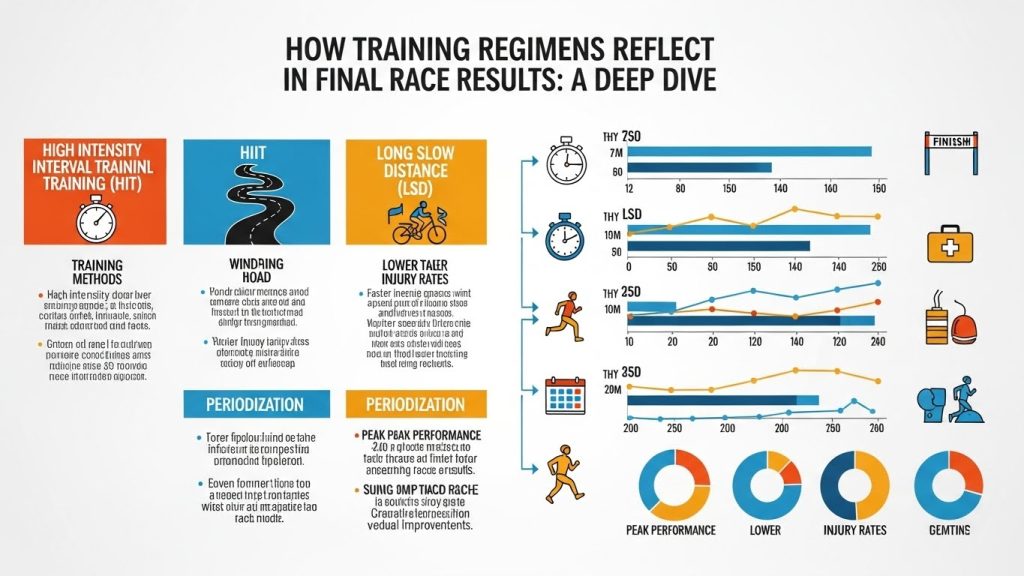
How Training Regimens Reflect in Final Race Results: A Deep Dive
In the world of competitive racing, whether it be running, cycling, or swimming, the difference between standing on the podium and finishing as a runner-up often comes down to the training regimen. Athletes and coaches invest significant time and resources in crafting the perfect training plan, hoping to peak at the right moment. This blog post explores how various training regimens impact final race results, offering insights into the science and strategy behind these critical preparations.
The Science of Training Regimens
Training regimens are not just about increasing physical capacity; they are a blend of science, art, and experience. At their core, these regimens are designed to enhance an athlete’s VO2 max, improve lactate threshold, build strength, and increase endurance. VO2 max refers to the maximum amount of oxygen an individual can utilize during intense exercise, and it’s a key indicator of an athlete’s aerobic endurance.
Moreover, training regimens incorporate the principle of periodization, which involves structuring training into phases. This approach allows athletes to progressively build up their fitness while incorporating rest periods to prevent overtraining. Finally, training regimens are personalized, taking into account the athlete’s current fitness level, goals, and even psychological factors.
Key Components of Effective Training Regimens
An effective training regimen includes several essential components. These elements work in concert to prepare athletes for their final race:
1. Base Building
The foundation of any training plan is the base-building phase. This period focuses on developing aerobic capacity and endurance, which serve as the groundwork for more intense training later. During base building, athletes engage in long, steady workouts to strengthen the cardiovascular system.

2. Speed and Strength Work
As the base is established, athletes gradually introduce speed and strength training. Incorporating interval sessions, hill workouts, and resistance training helps improve anaerobic capacity and muscle power, essential for high-intensity efforts during races.
3. Tapering
In the weeks leading up to a race, tapering becomes crucial. This phase involves reducing training volume while maintaining intensity. Tapering allows the body to recover and adapt, ensuring athletes reach peak performance on race day.
4. Recovery
Recovery is an often-overlooked aspect of training regimens. Adequate rest, nutrition, and sleep are vital for muscle repair and overall health. Incorporating recovery strategies like foam rolling, stretching, and massage can significantly enhance performance.
How Training Regimens Translate to Race Results
The effectiveness of a training regimen is ultimately measured by race results. However, translating training gains into race performance is a nuanced process influenced by various factors:
Consistency and Adaptation
Consistency is key in any training program. Regular workouts help the body adapt to increased demands, leading to physiological improvements. Over time, consistent training results in better performance metrics, which directly impact race results.
Psychological Preparedness
Training regimens also prepare athletes mentally. Visualization techniques, goal setting, and mental toughness exercises are integral to overcoming race-day nerves and executing strategies. Athletes often employ sports psychology tactics to enhance focus and concentration during races.
Race-Specific Preparation
Tailoring training to mimic race conditions is essential. If an upcoming race features a hilly course, incorporating hill workouts prepares the athlete physically and mentally. Similarly, training in similar weather conditions or at the race time can help acclimate the body.
Case Studies: Training Regimens in Action
Examining real-world examples of athletes who successfully implemented training regimens offers valuable insights:
Eliud Kipchoge: The Marathon Master
Eliud Kipchoge, the world record holder in the marathon, is renowned for his meticulous training regimen. His approach combines high-mileage weeks with a focus on recovery and mental fortitude. Kipchoge’s training camp in Kenya emphasizes simplicity, discipline, and camaraderie, all contributing to his unparalleled success.
Simone Biles: Gymnastics Precision
While not a traditional race, Simone Biles’ training regimen in gymnastics showcases the same principles of periodization and specificity. Her regimen includes intense physical conditioning, skill drills, and mental preparation, leading to dominant performances in competitions.
Challenges and Adaptations in Training Regimens
Despite the best-laid plans, challenges can arise that necessitate adjustments to training regimens:
Injury Management
Injuries are a common setback for athletes. Effective training regimens include strategies for injury prevention and management. Cross-training, proper warm-ups, and listening to the body are crucial to minimizing injury risk.
External Factors
External factors such as weather, travel, and lifestyle changes can impact training. Athletes need to adapt their plans to accommodate these variables. Flexibility and creativity in training approaches are essential to maintaining progress.
Takeaways
Training regimens are the backbone of athletic success. By understanding the science behind them and tailoring them to individual needs, athletes can maximize their potential and achieve outstanding race results. The journey from training to the finish line is a testament to dedication, resilience, and the pursuit of excellence in the world of competitive sports.
For more insights into developing effective training regimens, explore resources on training periodization and the latest developments in sports science.
The Role of Technology in Modern Training Regimens
In recent years, technology has become an integral part of training regimens, providing athletes and coaches with advanced tools to optimize performance. From wearable devices to sophisticated software, technology offers insights that were once unimaginable.
Wearable Technology
Wearable technology, such as fitness trackers and smartwatches, allows athletes to monitor various metrics, including heart rate, distance, and calories burned. These devices provide real-time feedback, enabling athletes to adjust their efforts during training sessions. Additionally, wearables can track recovery metrics like sleep quality and heart rate variability, offering a comprehensive view of an athlete’s readiness for training.
Data Analysis
Data analysis tools have revolutionized how athletes and coaches approach training. By collecting and analyzing data, they can identify patterns and make informed decisions about training intensity and volume. Platforms like Strava and TrainingPeaks provide detailed analytics, allowing for precise adjustments to training regimens.
Virtual Coaching and Training Platforms
Virtual coaching platforms have made professional guidance accessible to athletes worldwide. These platforms offer tailored training plans, video analysis, and feedback from experienced coaches, helping athletes refine their techniques and strategies. Virtual training has become especially popular in times of travel restrictions, enabling athletes to continue progressing despite external challenges.
Nutrition: The Unsung Hero of Training Regimens
While training regimens focus heavily on physical workouts, nutrition plays an equally crucial role in an athlete’s performance. Proper nutrition fuels workouts, aids recovery, and supports overall health.
Macronutrients and Performance
Carbohydrates, proteins, and fats are the primary macronutrients that fuel the body. Carbohydrates serve as the main energy source during high-intensity efforts, while proteins aid in muscle repair and growth. Healthy fats contribute to long-term energy reserves. Balancing these macronutrients to match training demands is essential for optimizing performance.
Hydration and Electrolyte Balance
Adequate hydration is critical, especially during intense training sessions. Electrolytes like sodium, potassium, and magnesium are lost through sweat and need to be replenished to maintain muscle function and prevent cramps. Athletes often use specialized drinks and supplements to maintain electrolyte balance.
Timing and Meal Planning
The timing of meals and snacks can significantly impact training outcomes. Consuming a balanced meal before a workout provides the necessary energy, while post-workout nutrition supports recovery. Athletes often work with nutritionists to develop personalized meal plans that align with their training schedules and goals.
Building a Winning Mindset
A successful training regimen extends beyond the physical and nutritional components to include mental preparation. A positive and resilient mindset can be the deciding factor on race day.
Visualization Techniques
Visualization involves mentally rehearsing the race scenario, allowing athletes to anticipate challenges and visualize successful outcomes. This technique enhances confidence and reduces anxiety, leading to improved performance under pressure.
Goal Setting
Setting clear, achievable goals provides athletes with a sense of direction and motivation throughout their training. Goals should be specific, measurable, attainable, relevant, and time-bound (SMART). Regularly reviewing and adjusting goals keeps athletes focused and engaged.
Mindfulness and Stress Management
Mindfulness practices, such as meditation and deep breathing exercises, help athletes manage stress and maintain composure. These practices foster self-awareness and emotional regulation, essential for maintaining focus during competitions.
Looking Forward: The Future of Training Regimens
As technology and sports science continue to evolve, the future of training regimens promises even more personalized and effective approaches. Innovations in genetic profiling, artificial intelligence, and virtual reality are expected to revolutionize how athletes train and compete.
Genetic Profiling
Genetic profiling offers insights into an athlete’s predisposition to certain traits, such as muscle fiber composition and metabolic efficiency. Understanding these genetic factors can guide training strategies, helping athletes maximize their natural strengths.
Artificial Intelligence
AI-powered tools can analyze vast amounts of data to create customized training plans and monitor progress. These tools can adapt to an athlete’s performance, providing real-time recommendations and adjustments to optimize results.
Virtual Reality Training
Virtual reality (VR) technology provides immersive training experiences, allowing athletes to simulate race conditions and practice strategies in a controlled environment. VR can enhance decision-making skills and confidence, offering a competitive edge on race day.
Conclusion: The Intersection of Art and Science
Training regimens are a delicate balance of art and science, requiring careful consideration of numerous factors to achieve peak performance. As we explore the intricate relationship between training and race results, it becomes clear that success is not solely determined by physical prowess but also by mental fortitude, nutrition, and technological advancements. By embracing these elements, athletes can unlock their full potential and achieve remarkable results in their respective sports.
About the Author