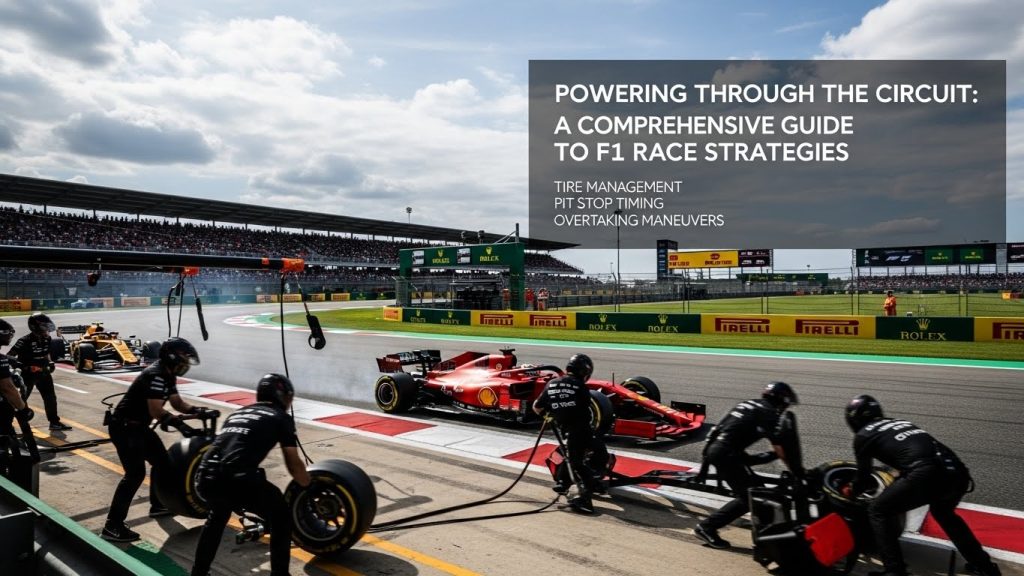
Powering Through the Circuit: A Comprehensive Guide to F1 Race Strategies
Formula 1 racing is a high-stakes world where every second counts. The strategies employed by teams can make or break a race, often determining the difference between standing on the podium and being a distant also-ran. As exhilarating as F1 races are for fans and drivers alike, the intricate planning behind each race is what truly sets the sport apart. This guide will delve into the multifaceted strategies that teams use to power through the circuit.
Understanding the Basics of F1 Race Strategies
F1 race strategies are not just about speed; they encompass a wide range of factors including tire management, fuel levels, weather conditions, and pit stop efficiency. Each team meticulously plans their strategy to maximize the car’s performance while adapting to the unpredictable dynamics of a race.
A crucial aspect of any F1 strategy is tire management. Tires play a significant role in how a car performs on the track. Different compounds provide varying levels of grip and durability. Teams must decide when to use soft tires for speed and when to switch to harder compounds for longevity. The Pirelli tire compounds are often the focus of strategic discussions before and during races.
The Role of Aerodynamics

Aerodynamics is another critical facet of F1 strategy. The design of a car’s aerodynamic features can influence its speed and handling. Teams invest heavily in wind tunnel testing and computational fluid dynamics to optimize their cars for different circuits. High downforce setups provide better cornering capabilities, while low downforce setups offer higher top speeds. Understanding the balance between these setups is essential for developing a winning strategy.
For example, at circuits like Monza, known as the “Temple of Speed,” teams often opt for low downforce to maximize straight-line speed. In contrast, tracks like Monaco require high downforce due to the numerous tight corners.
Pit Stop Strategies: Timing is Everything
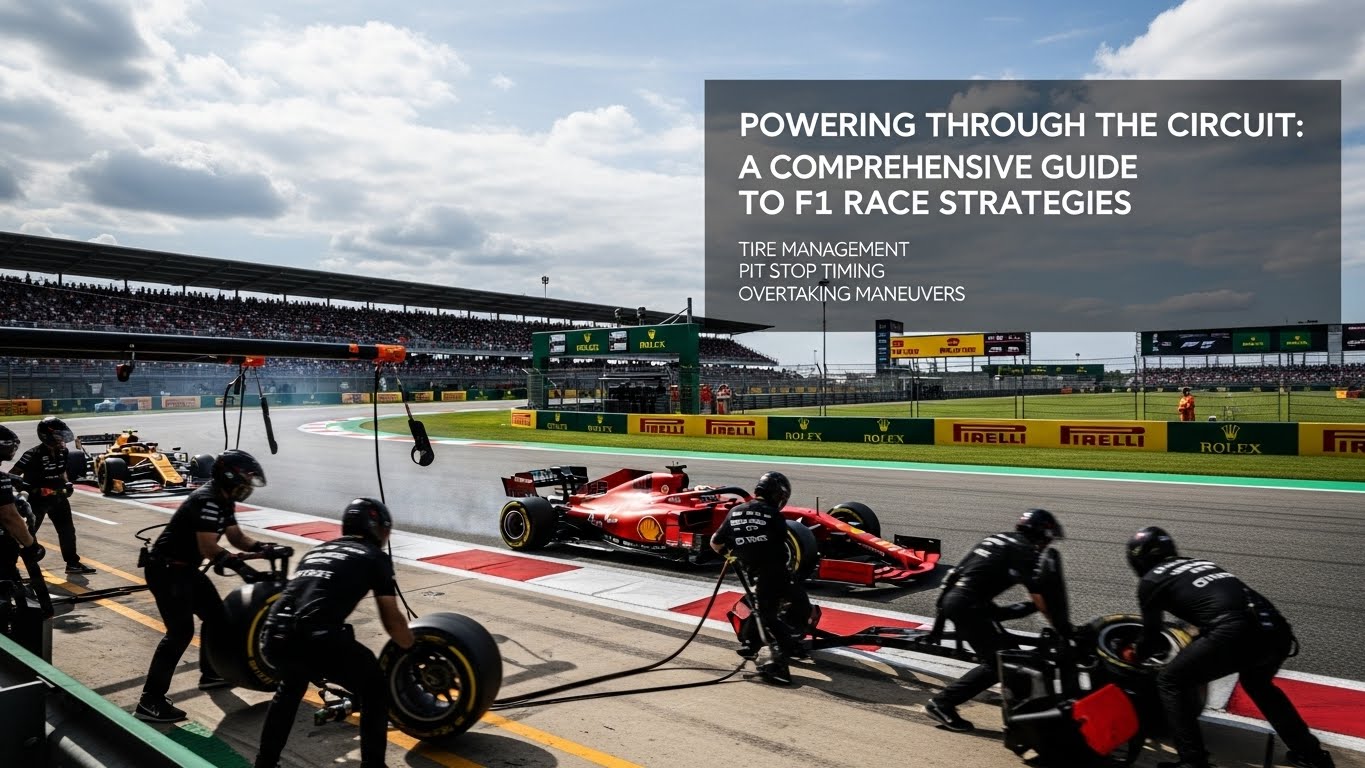
Pit stops are a race within a race. A well-executed pit stop can save precious seconds, while a poorly managed one can derail an entire race. Teams must decide the optimal timing for pit stops to change tires and refuel, if necessary. The introduction of pit stop regulations has added another layer of complexity, with teams constantly refining their techniques to minimize time spent in the pit lane.
The decision of when to pit is influenced by numerous factors, including tire wear, track position, and the likelihood of safety cars. Teams use sophisticated algorithms and simulations to predict the best times to make these crucial stops.
Weather and Its Impact on Strategy
Weather conditions can dramatically alter race strategies. Rain can transform a race, as drivers and teams must quickly adapt to the changing grip levels on the track. The decision to switch to wet or intermediate tires can make the difference between victory and defeat. Teams rely heavily on weather forecasts and trackside conditions to inform their decisions.
For instance, the unpredictability of the weather at the Belgian Grand Prix in Spa-Francorchamps often requires teams to have flexible strategies. The ability to anticipate weather changes and react accordingly is a hallmark of a successful F1 team.
Fuel Management: Balancing Speed and Efficiency
Fuel management is another critical element of F1 strategy. Teams must balance the car’s weight with the need to have enough fuel to complete the race. Too much fuel can slow the car down, while too little can lead to disastrous results. The introduction of hybrid engines has added further complexity, as teams now manage both fuel and energy recovery systems throughout the race.
Understanding how to maximize fuel efficiency without compromising speed is a skill that teams continually hone. The ability to conserve fuel in certain segments of the race can allow drivers to push harder when needed most, making fuel strategy an integral part of the overall race plan.
Case Studies: Legendary F1 Strategies
Throughout F1 history, there have been numerous instances where strategy has played a defining role in the outcome of a race. One of the most famous examples is the 2005 San Marino Grand Prix, where Fernando Alonso held off Michael Schumacher in a thrilling battle. Alonso’s team employed a two-stop strategy that allowed him to maintain track position and eventually secure victory.
Another notable example is the 2019 Hungarian Grand Prix, where Lewis Hamilton’s team made a strategic decision to pit him for fresh tires late in the race. This gamble paid off as Hamilton chased down Max Verstappen and overtook him to win the race. These case studies highlight the importance of strategy in achieving success in F1.
The Future of F1 Race Strategies
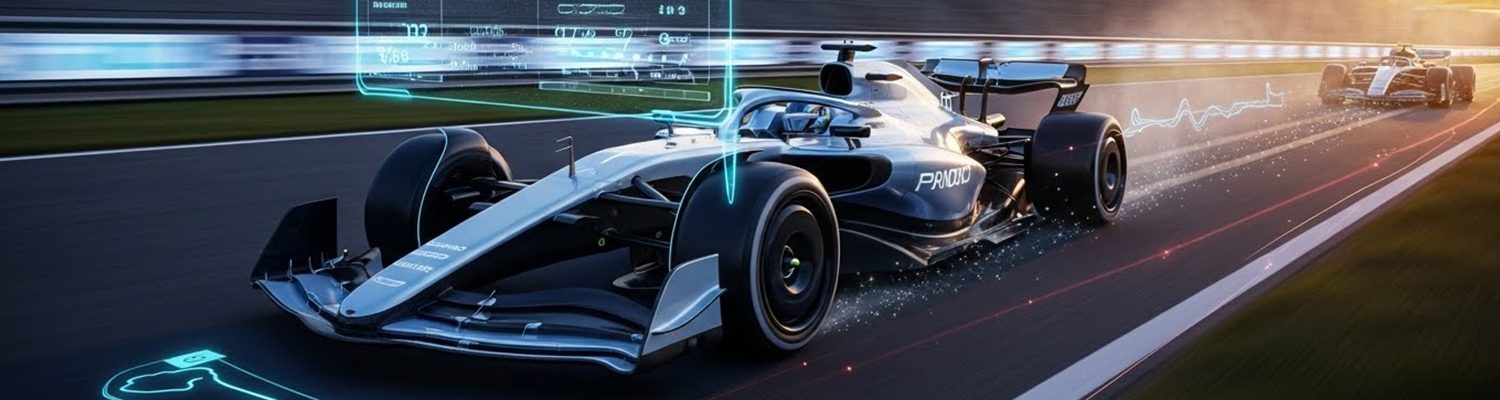
As technology continues to evolve, F1 strategies will become even more sophisticated. The increased use of data analytics, artificial intelligence, and machine learning is already transforming how teams approach strategy. These technologies allow teams to process vast amounts of data in real-time, providing insights that can lead to more informed decisions during a race.
Moreover, the ongoing push for sustainability in motorsport is likely to influence future strategies. The introduction of biofuels and advancements in battery technology could lead to new strategic considerations, as teams balance performance with environmental impact. The FIA’s sustainability goals are shaping the future of F1, promising exciting developments in race strategies.
Takeaways
F1 race strategies are a complex blend of science, art, and intuition. The ability of a team to adapt their strategy to the dynamic conditions of a race can be the deciding factor in achieving success. As the sport continues to evolve, the strategies employed will only become more intricate and essential. For fans and participants alike, understanding these strategies offers a deeper appreciation of the skill and precision required to excel in the world of Formula 1 racing.
By exploring the myriad elements that contribute to effective race strategies, from tire management to aerodynamic setups, we gain insight into the thrilling world of F1. As teams push the boundaries of technology and innovation, the future promises even more exciting developments in the pursuit of victory on the global stage.
The Human Element in F1 Strategies
While technological advancements play a significant role in shaping F1 strategies, the human element remains crucial. The drivers, engineers, and pit crew form a cohesive unit that executes the strategy on race day. Drivers must have the skill to adapt their driving style to match strategic decisions, while engineers provide real-time data and feedback to make quick adjustments.
The synergy between the driver and the team is vital. For instance, a driver’s ability to communicate tire wear or subtle changes in track conditions can provide valuable insights that influence strategy. Similarly, the pit crew’s precision and speed during pit stops can drastically affect the race outcome.
Team Dynamics and Strategy Development
Developing a race strategy is a collaborative effort that involves various departments within an F1 team. The strategy team, engineers, and data analysts work together to simulate different scenarios and develop a comprehensive race plan. This process requires a deep understanding of the car’s capabilities, the track characteristics, and the competitive landscape.
Teams also study the strategies of their competitors to anticipate potential moves and counter them effectively. This element of strategic chess adds an exciting layer of competition, as teams constantly seek to outmaneuver each other on and off the track.
Advanced Simulation and Predictive Analytics
Simulation technology and predictive analytics are invaluable tools in the modern F1 strategist’s arsenal. Teams use sophisticated software to create virtual models of races, allowing them to test different strategies under various conditions. These simulations take into account factors such as tire wear rates, fuel consumption, and weather changes.
Predictive analytics further enhance decision-making by analyzing historical data and identifying patterns that can inform strategy. By leveraging these tools, teams can refine their strategies and increase their chances of success. McLaren’s approach to strategy is a prime example of how cutting-edge technology is shaping the future of F1 racing.
The Impact of Regulations on Strategy
F1 regulations are constantly evolving, and these changes can have a significant impact on race strategies. The introduction of new rules regarding tire usage, fuel limits, and aerodynamic restrictions requires teams to continually adapt and innovate their strategies.
For instance, the 2022 regulations introduced significant changes to car aerodynamics, designed to promote closer racing and more overtaking opportunities. Teams had to rethink their approach to strategy, focusing on maximizing the car’s performance within the new regulatory framework. The ability to adapt to these changes is a testament to the ingenuity and resilience of F1 teams.
Conclusion: The Ever-Evolving World of F1 Strategies
The world of F1 race strategies is one of constant evolution and innovation. As technology advances and regulations change, teams must remain agile and forward-thinking to stay competitive. The interplay of technology, human skill, and strategic foresight creates a dynamic and thrilling spectacle that captivates fans around the globe.
While the pursuit of victory drives teams to push the boundaries of what is possible, the true essence of F1 lies in the intricate strategies that unfold with each race. As we look to the future, the strategies that power these incredible machines around the circuit will continue to captivate and inspire, ensuring that Formula 1 remains at the pinnacle of motorsport.
About the Author