
Race Analysis: How it Influences Training and Performance
In the world of competitive racing, whether it’s running, cycling, or swimming, understanding the intricate details of race performance is crucial for athletes and coaches alike. Race analysis offers invaluable insights into how athletes can optimize their training regimes and ultimately enhance their performance. This comprehensive exploration delves into the various aspects of race analysis, providing a detailed understanding of its role in modern sports.
The Importance of Race Analysis
Race analysis is a systematic approach to assessing an athlete’s performance during a race. It involves the collection and examination of data to pinpoint areas of strength and areas needing improvement. This process is essential because it provides a factual basis upon which athletes can improve their training strategies. Through effective race analysis, athletes can identify specific factors that impact their performance, such as pace, endurance, technique, and even psychological factors.
Data Collection: The Foundation of Race Analysis
At the heart of race analysis is data collection. The process begins with gathering data during race events, which can be done through various means such as GPS devices, heart rate monitors, and video analysis. These tools provide a wealth of information including distance covered, speed, heart rate, and much more. For instance, many athletes use Garmin devices to track their performance metrics in real-time.
Video analysis has become increasingly popular, allowing for a more detailed examination of an athlete’s form and technique. This tool is especially useful in sports like swimming and running, where technique can significantly impact performance. By reviewing video footage, coaches can identify inefficiencies in an athlete’s movement and make the necessary adjustments to their training.

Interpreting Race Data
Once data is collected, the next step in race analysis is interpretation. This involves comparing current performance metrics to past performances and desired benchmarks. Through this comparison, athletes and coaches can identify trends and patterns in performance. For example, an athlete might notice that their pace drops significantly in the final quarter of a race, indicating a need for improved endurance training.
Interpreting data also involves understanding the external factors that may have influenced performance. Weather conditions, altitude, and even the athlete’s mental state on the day of the race can all play a role. By considering these factors, athletes can gain a comprehensive understanding of their performance and make informed decisions on how to improve.
Applying Insights to Training
One of the primary goals of race analysis is to translate insights into practical training strategies. This might involve adjusting training volumes, intensities, or even the types of exercises performed. For instance, if an analysis reveals that an athlete struggles with maintaining speed in the latter stages of a race, the training program might be adjusted to include more interval training to build endurance and speed.
Moreover, race analysis can help in designing personalized training programs that cater to the unique needs of each athlete. By focusing on specific areas identified in the analysis, athletes can engage in targeted training that addresses their weaknesses while enhancing their strengths.
Psychological Aspects of Race Performance
Physical attributes are not the only factors influencing race performance; psychological readiness plays a critical role as well. Race analysis can help in understanding an athlete’s mental state and how it affects their performance. By examining patterns in performance data, coaches can identify signs of mental fatigue or stress, which might manifest as inconsistent pacing or poor decision-making during a race.
Incorporating psychological coaching into training programs can be beneficial. Techniques such as visualization, goal setting, and relaxation strategies can enhance mental resilience, allowing athletes to perform at their best even under pressure. Resources like Psychology Today offer valuable insights into the psychological aspects of athletic performance.
Technological Advancements in Race Analysis
As technology continues to evolve, so too does the field of race analysis. Advanced software and applications now allow for more detailed and accurate data collection and analysis. Machine learning and artificial intelligence are being leveraged to predict performance trends and provide personalized training recommendations. Platforms such as Strava offer powerful tools for athletes to track and analyze their performance over time.
With these advancements, athletes have a greater ability to understand their performance intricacies and make data-driven decisions to enhance their training and racing strategies.
Challenges in Race Analysis
Despite the benefits, race analysis is not without its challenges. Data accuracy is a significant concern, as incorrect data can lead to misguided conclusions. Ensuring the reliability of data collection devices is crucial. Furthermore, the sheer volume of data available can be overwhelming, making it essential to focus on the most relevant metrics for each athlete.
Interpreting data accurately requires a deep understanding of sports science, which can be a barrier for some athletes and coaches. Collaborating with sports scientists or utilizing comprehensive analytical platforms can help overcome these challenges.
The Future of Race Analysis
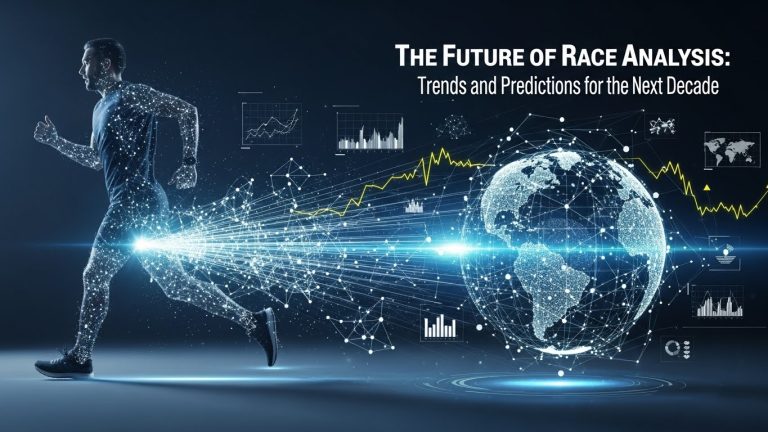
Looking ahead, the future of race analysis is bright. With continuous technological advancements, athletes can expect even more precise and actionable insights into their performance. The integration of wearable technology with real-time analytics will further enhance the ability to make on-the-fly adjustments during races.
Moreover, as the understanding of sports science deepens, race analysis will likely incorporate more holistic approaches, considering not just physical and technical aspects, but also nutrition, recovery, and lifestyle factors.
Takeaways
Race analysis is an indispensable tool for athletes aiming to optimize their training and enhance their performance. By systematically collecting and interpreting race data, athletes and coaches can identify key performance factors and tailor training programs accordingly. As technology and sports science evolve, race analysis will continue to offer new opportunities for athletes to push the boundaries of their performance. By embracing these insights, athletes can achieve their full potential and excel in their respective sports arenas.
The Role of Coaches in Race Analysis
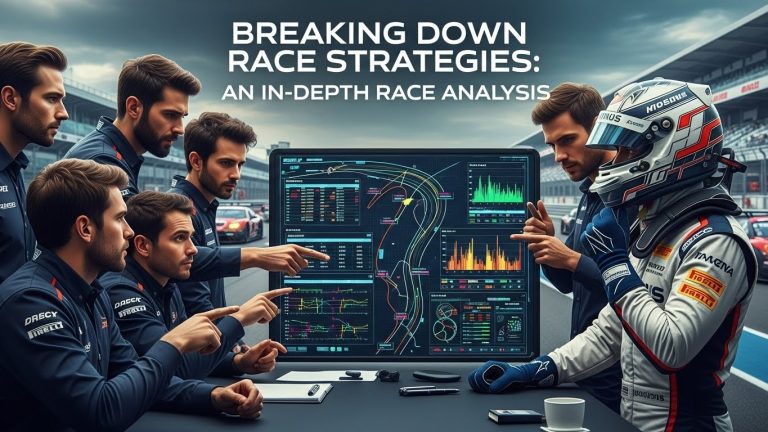
Coaches play a pivotal role in the race analysis process. They are responsible for interpreting complex data and translating it into actionable training plans. Their expertise allows for the identification of subtle performance issues that might be overlooked. Coaches can also provide the much-needed external perspective, helping athletes to avoid common pitfalls such as overtraining or neglecting recovery.
The relationship between the athlete and coach is crucial for successful race analysis. Open communication ensures that both parties understand the data and agree on the adjustments needed for improvement. This partnership can lead to the development of tailored strategies that capitalize on the athlete’s strengths while addressing weaknesses.
Case Studies: Success Stories Through Race Analysis
Many athletes have achieved significant improvements in performance through diligent race analysis. For instance, elite marathon runners often attribute their success to the insights gained from analyzing split times and pacing strategies. By understanding how their body responds at different stages of a race, these runners can optimize their energy expenditure, ensuring a strong finish.
Similarly, in cycling, athletes have used power meters to monitor their output during races, allowing them to maintain optimal power levels throughout the event. This data-driven approach has led to improved performance and has even been a factor in winning prestigious races like the Tour de France.
Integrating Nutrition and Recovery in Race Analysis
Nutrition and recovery are integral components of any athlete’s training regime and are becoming increasingly important in race analysis. The data collected can provide insights into how nutritional strategies impact performance. For example, monitoring hydration and carbohydrate intake during a race can reveal their effects on endurance and recovery.
Recovery data, such as sleep patterns and muscle soreness, can also be analyzed to optimize training schedules. Ensuring adequate recovery is crucial for preventing injuries and ensuring consistent performance improvements. Resources such as Mayo Clinic offer detailed information on the best practices for nutrition and recovery in sports.
Community and Peer Analysis
Engaging with a community of fellow athletes can provide additional benefits in race analysis. Platforms that allow athletes to share data and experiences foster a supportive environment where individuals can learn from each other. Peer analysis can offer new perspectives and strategies that an athlete might not have considered otherwise.
Social networks and online forums dedicated to specific sports can be valuable resources. Athletes can discuss training methods, share insights from their race data, and even find training partners who can provide motivation and accountability.
Ethical Considerations in Race Analysis
As with any data-driven field, race analysis raises certain ethical considerations. The privacy of athletes must be protected, ensuring that performance data is used appropriately and securely. Athletes should have control over who can access their data and how it is used. Transparency about data usage policies is vital, especially when using third-party analytical platforms.
Furthermore, the pressure to constantly improve performance can sometimes lead to unhealthy practices, such as overtraining or the misuse of performance-enhancing substances. It is essential for athletes, coaches, and sports organizations to prioritize health and well-being over performance metrics.
Conclusion: The Ever-Evolving Field of Race Analysis
Race analysis remains a continually evolving field that offers invaluable insights for athletes striving for excellence. By embracing technological advancements, athletes can gain a deeper understanding of their performance and uncover new ways to enhance their training. The collaboration between athletes, coaches, and sports scientists is key to unlocking the full potential of race analysis.
As the field advances, the focus will likely expand to include more comprehensive approaches that consider all aspects of an athlete’s life. This holistic perspective will ensure that athletes not only perform better but also maintain their health and well-being in the long run. By remaining open to innovation and adhering to ethical standards, the future of race analysis holds great promise for athletes around the world.
About the Author