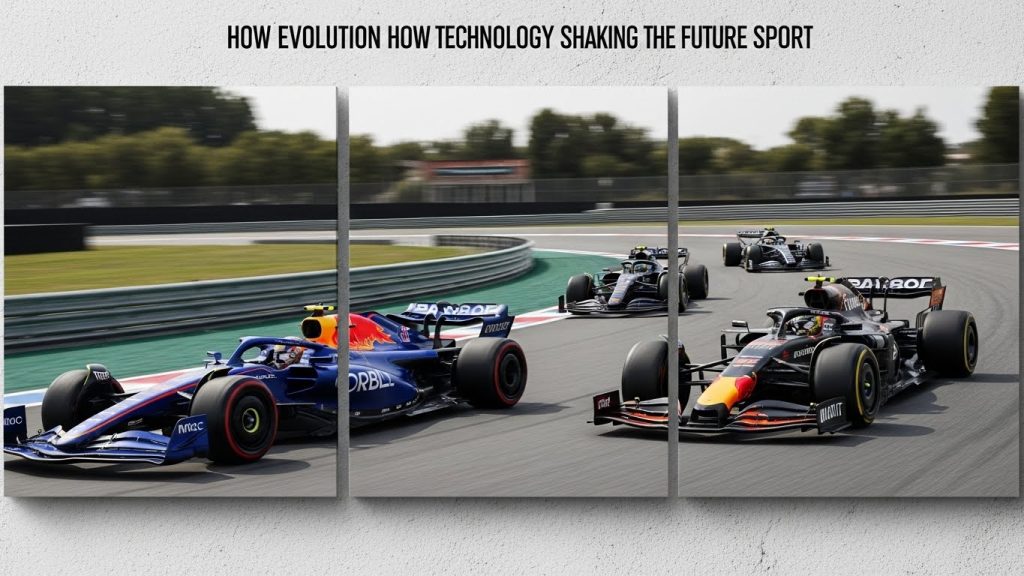
The Evolution of F1 Racing: How Technology is Shaping the Future of the Sport
Formula 1 (F1) racing, often considered the pinnacle of motor sports, is a dynamic arena where engineering prowess meets raw human talent. As technology evolves, it is redefining the parameters of the sport, making it faster, safer, and more exciting than ever before. This post delves into the technological advancements that have transformed F1 racing and how these innovations are steering the future of the sport.
The Early Days of F1: A Historical Perspective
The inception of F1 racing can be traced back to the European Grand Prix Motor Racing of the 1920s and 1930s. Initially, the sport was characterized by rudimentary safety measures and basic engineering. Cars were heavy, and speeds were modest compared to today’s standards. The focus was primarily on driver skill and mechanical reliability.
As years progressed, the sport saw a gradual integration of technology. The 1950s and 1960s marked the introduction of innovations such as disc brakes and rear-engine layouts, which became standard. However, it wasn’t until the late 20th century that technology truly began to revolutionize F1 racing.
Aerodynamics: The Game Changer
One of the most significant technological advancements in F1 has been in the field of aerodynamics. The introduction of aerodynamic components, such as wings and diffusers, has drastically changed car design and performance. These components increase downforce, allowing cars to maintain high speeds through corners without losing grip.

In recent years, the development of computational fluid dynamics (CFD) has enabled teams to simulate and optimize aerodynamic performance with incredible precision. This technology has become so advanced that teams can predict how even minor modifications will impact the car’s performance. For more on the intricacies of aerodynamics in F1, you can explore detailed insights from experts in the field.
Power Units: The Hybrid Revolution
In 2014, F1 underwent a significant transformation with the introduction of hybrid power units. These new engines replaced the traditional V8s with 1.6-liter V6 turbocharged units, complemented by energy recovery systems (ERS). This change not only made F1 more environmentally friendly but also introduced a new strategic element to the sport.
The ERS captures energy from braking and exhaust gases, storing it in batteries to provide an additional power boost. This has led to a more complex and strategic race management, where drivers must balance speed and energy conservation. The hybrid era has set the stage for a more sustainable future in racing, with ongoing developments in engine efficiency and alternative fuels.
Data and Telemetry: The Invisible Edge
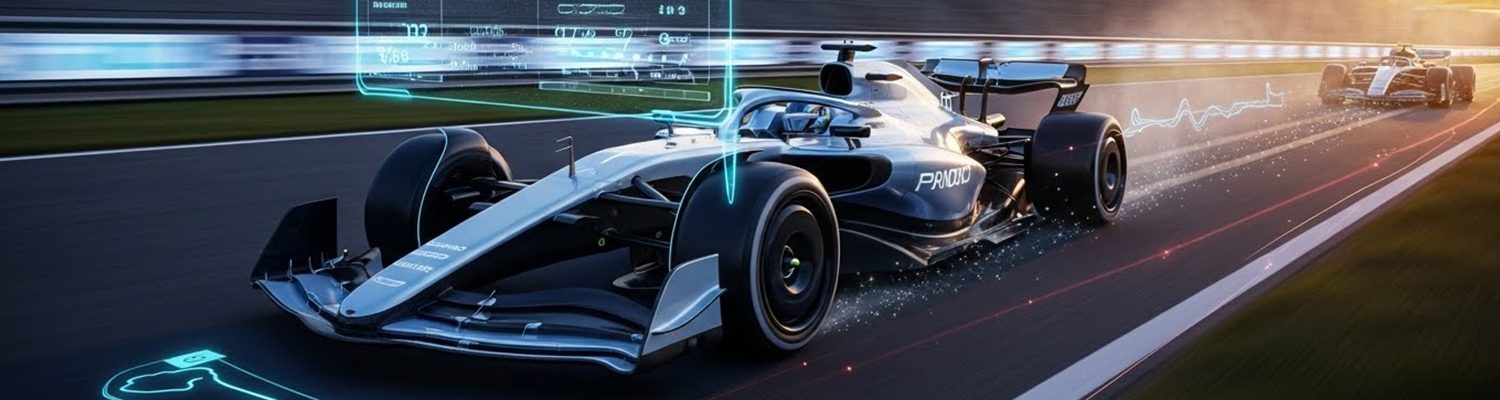
Data analysis has become an integral part of F1 racing. Modern F1 cars are equipped with hundreds of sensors that transmit real-time data on various parameters, including tire pressure, fuel levels, and engine performance. This data is sent back to the pit crew, who can analyze it to make informed decisions on race strategy.
Telemetry has also improved safety standards. In the event of a crash, data from the car can help identify the cause and assist in developing better safety features. The role of big data in F1 is constantly growing, with teams using advanced analytics to gain that crucial competitive edge. For an in-depth look at how data analytics drives performance, you can delve into case studies from leading F1 teams.
Safety Innovations: Protecting the Drivers
Safety has always been a priority in F1, but recent technological advancements have taken it to a new level. The introduction of the Halo device, a titanium structure designed to protect drivers’ heads in case of a collision, is one of the most significant safety innovations in recent years.
Other advancements include the use of advanced materials for car construction, such as carbon fiber composites, which offer unparalleled strength-to-weight ratios. The ongoing development of safety gear, including helmets and suits, ensures that drivers are better protected than ever before. For more on the evolution of safety measures in F1, the FIA provides a comprehensive overview.
The Role of Artificial Intelligence and Machine Learning
Artificial intelligence (AI) and machine learning (ML) are gradually becoming integral to F1 racing. These technologies are used to analyze vast amounts of data to predict race outcomes, optimize car settings, and even develop race strategies. AI can simulate thousands of race scenarios, allowing teams to prepare for every possible outcome.
Machine learning algorithms also assist in predictive maintenance, helping teams identify potential mechanical failures before they occur. This proactive approach minimizes the risk of unexpected breakdowns during races, thus enhancing reliability.
The Future of F1: What Lies Ahead?
The future of F1 racing is poised to be even more technologically advanced. With ongoing research into electric and hydrogen-powered vehicles, the sport is likely to embrace new forms of propulsion, aligning with global sustainability goals. Additionally, virtual reality (VR) and augmented reality (AR) could transform the fan experience, providing immersive ways to engage with the sport.
As F1 continues to evolve, the balance between technology and human skill remains a central theme. While technology enhances performance and safety, the essence of F1—pushing the limits of human and machine—remains unchanged.
Takeaways
The evolution of F1 racing is a testament to the relentless pursuit of innovation and excellence. From aerodynamic breakthroughs to hybrid engines and AI-driven strategies, technology is reshaping the sport in unprecedented ways. As we look to the future, the symbiotic relationship between man and machine will undoubtedly continue to drive F1 racing to new heights, captivating fans around the world.
For further exploration of F1’s technological journey, enthusiasts can access a wealth of detailed articles and analysis from industry experts.
Hybrid Technologies and Their Impact on F1 Strategy
As the hybrid era progresses, the strategies involved in F1 races have evolved significantly. The integration of hybrid power units has introduced new layers of complexity in race planning. Teams must now consider energy management as a critical aspect of their strategy. The deployment of energy harvested through the ERS, for instance, is a tactical decision that can influence overtaking maneuvers and defensive driving.
Moreover, the hybrid systems have curtailed the need for frequent pit stops, allowing teams to extend their strategic horizons. This shift has also impacted tire strategies, as teams balance the performance of softer, faster tire compounds against the durability of harder options. The role of hybrid technology in strategy is a dynamic field, with ongoing advancements continually reshaping the competitive landscape.
Digital Transformation: Enhancing Fan Engagement
Beyond the technical aspects of racing, digital transformation is revolutionizing how fans interact with F1. The advent of social media, streaming services, and interactive platforms allows fans to engage with the sport in real-time, from anywhere in the world. Through platforms like F1 TV and social media channels, fans can access live updates, race highlights, and behind-the-scenes content.
Virtual and augmented reality technologies further enhance fan engagement by offering immersive experiences. Fans can virtually experience a lap around a circuit, explore the paddock, or even access live telemetry data as the race unfolds. This digital engagement strategy not only strengthens the connection between teams and their fanbase but also attracts new audiences to the sport.
Training the Next Generation: The Role of Simulators
Simulators have become an indispensable tool for training drivers and developing race strategies. These highly sophisticated systems replicate real-world racing conditions, allowing drivers to hone their skills without the risks associated with on-track practice. Simulators also play a crucial role in car development, enabling engineers to test new components and configurations in a controlled environment.
Driver training simulators are now equipped with advanced motion systems, high-resolution visuals, and realistic feedback mechanisms. This technology allows young drivers to gain invaluable experience and prepares them for the transition to real-world racing. The continuous advancements in simulator technology ensure that F1 drivers are among the best-prepared athletes in the world.
Regulatory Changes and Technological Innovation
Regulatory frameworks in F1 are continually evolving to accommodate technological advancements and maintain a level playing field. The FIA regularly updates regulations to ensure that technological innovations do not undermine the sport’s competitive integrity or safety standards. These regulations encompass everything from car dimensions and weight to power unit specifications and fuel limitations.
The introduction of cost caps is another significant regulatory change aimed at leveling the playing field. By limiting the financial resources teams can allocate to car development, cost caps encourage innovation within constraints. This fosters creativity and resourcefulness, compelling teams to maximize performance through efficient engineering and strategic ingenuity.
Environmental Initiatives and Sustainability
As global awareness of environmental issues grows, F1 is taking proactive steps to reduce its carbon footprint and promote sustainability. The sport has set ambitious targets to achieve net-zero carbon emissions by 2030. Key initiatives include the development of sustainable fuels, increased efficiency in logistics, and the promotion of renewable energy sources.
F1’s commitment to sustainability extends to its partnerships and collaborations. Teams are working with renewable energy companies to innovate cleaner technologies and implement sustainable practices throughout their operations. These initiatives not only align with global environmental goals but also position F1 as a leader in the pursuit of sustainable automotive technologies.
Conclusion: The Road Ahead
The trajectory of F1 racing is a reflection of the relentless pursuit of excellence and innovation. As technology continues to shape the future of the sport, F1 remains at the forefront of automotive engineering and competitive racing. The integration of hybrid technologies, digital transformation, and sustainability initiatives highlights the sport’s adaptability and commitment to progress.
Looking ahead, F1’s evolution promises to deliver even more thrilling races, groundbreaking technologies, and an unparalleled fan experience. The sport’s ability to balance cutting-edge innovation with the timeless allure of competition ensures its place as the premier motor racing series for generations to come.
About the Author