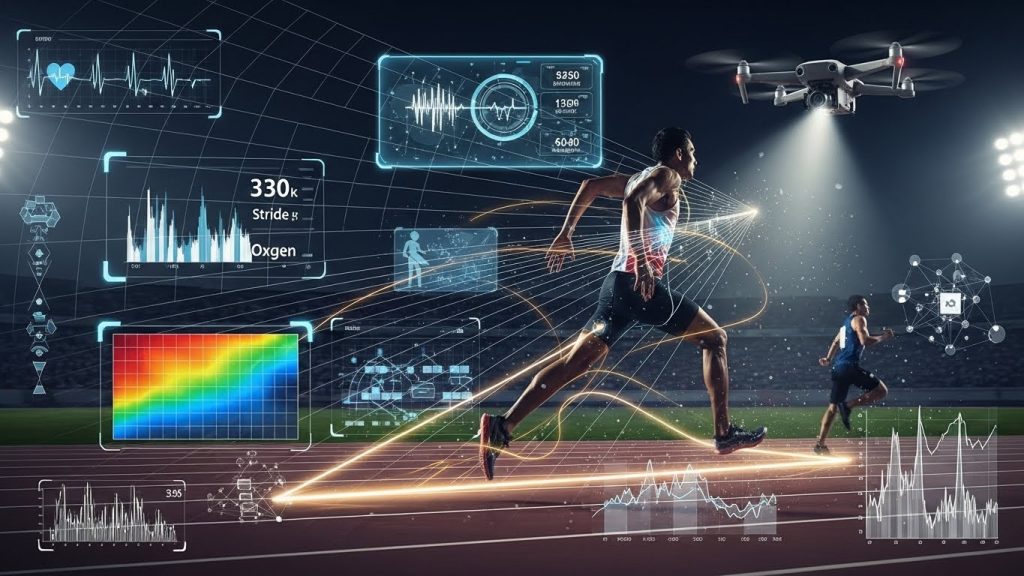
The Role of Technology in Modern Race Analysis
In recent years, technology has revolutionized the way races are analyzed, providing deeper insights and more accurate predictions than ever before. From high-speed cameras to advanced data analytics, the landscape of race analysis has transformed, offering a wealth of information to teams, trainers, and enthusiasts. This article explores the evolving role of technology in modern race analysis, highlighting key innovations and their impact on the sport.
Historical Context: Race Analysis Before the Digital Age
Before the advent of sophisticated technological tools, race analysis relied heavily on human observation and intuition. Analysts would watch races, take notes, and manually record times and positions. This method, while effective to an extent, was prone to human error and subjectivity. The introduction of basic timing systems in the early 20th century marked the beginning of technological influence, but it wasn’t until the digital age that the field saw significant advancements.
Technological Innovations in Race Timing
Race timing technology has evolved significantly, moving from manual stopwatch methods to highly precise electronic systems. Modern race timing systems use RFID chips and photo-finish cameras to ensure accuracy down to the millisecond. These systems not only provide precise results but also allow for real-time tracking of participants, offering instant feedback and immediate race results. This level of precision is crucial in competitive sports, where even a fraction of a second can determine the outcome.

Data Analytics: The Game Changer
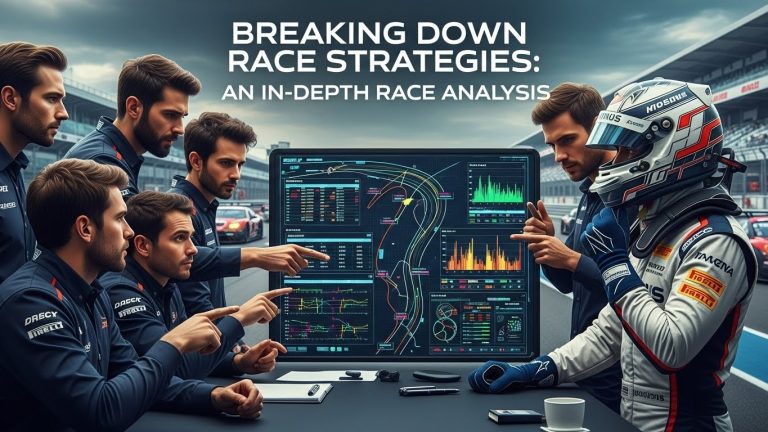
Perhaps the most significant impact of technology on race analysis is the use of data analytics. Advanced software can process vast amounts of data from races to identify patterns and trends that were previously undetectable. For instance, big data in sports allows teams to analyze everything from weather conditions to individual athlete performance, offering a competitive edge. Coaches can use this data to tailor training programs, improving performance and reducing injury risks.
Wearable Technology: Personalizing Race Analysis
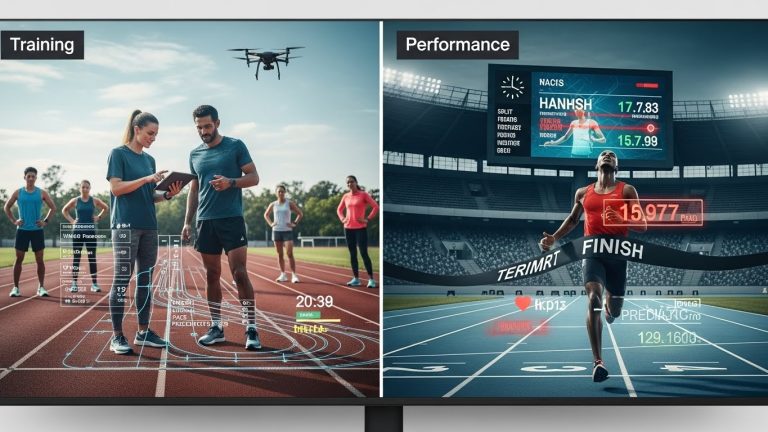
Wearable technology has become a staple in race analysis, providing real-time feedback on athletes’ physiological metrics. Devices such as heart rate monitors, GPS trackers, and smart clothing offer insights into an athlete’s condition during training and competition. This data can be used to optimize performance, ensure safety, and enhance recovery. For example, studies have shown how wearable technology can help in maintaining optimal training loads and preventing overtraining.
The Role of Artificial Intelligence
Artificial intelligence (AI) is increasingly playing a vital role in race analysis, from predicting race outcomes to enhancing training programs. AI algorithms can analyze past performances and predict future results with remarkable accuracy. Machine learning models use historical data to forecast race trends, helping teams make informed strategic decisions. Additionally, AI-driven tools can simulate race scenarios, allowing athletes to prepare for various eventualities.
Virtual Reality: A New Dimension in Training and Analysis
Virtual reality (VR) has introduced a new dimension to race analysis and training. VR systems can recreate race environments, allowing athletes to practice and strategize without being physically present on the track. This technology offers a significant advantage, particularly during off-seasons or when travel is not feasible. By immersing athletes in a virtual race setting, VR helps improve focus, decision-making, and performance under pressure.
Challenges and Ethical Considerations
While technology has undoubtedly enhanced race analysis, it also presents challenges and ethical considerations. Data privacy is a significant concern, as the collection and analysis of personal data must comply with regulations such as GDPR. Moreover, the reliance on technology can lead to a disparity between teams with access to advanced tools and those without, potentially affecting fair competition. It is crucial for the sports community to address these issues, ensuring that technology is used responsibly and equitably.
Future Prospects: What Lies Ahead?
The future of race analysis is poised for further technological advancements. Emerging technologies such as blockchain, for instance, could enhance transparency and security in race betting and result verification. Additionally, the integration of Internet of Things (IoT) devices promises more interconnected and intelligent race environments, offering real-time insights and seamless communication between devices. As these technologies evolve, they will continue to reshape the landscape of race analysis, pushing the boundaries of what is possible.
Takeaways
The role of technology in modern race analysis is both transformative and indispensable. From precise timing systems and advanced data analytics to AI and VR, technology has redefined how races are analyzed and understood. While challenges remain, the potential benefits of technological integration in race analysis are immense, offering new opportunities for insights and innovation. As we look to the future, it is essential to embrace these advancements while addressing ethical considerations, ensuring a fair and exciting competitive landscape for all.
Integrating Technology Across Different Racing Disciplines
While technology’s impact is evident across all racing disciplines, each sport leverages unique technological tools to enhance performance and analysis. In motorsports, for example, vehicle telemetry systems provide real-time data on engine performance, tire pressure, and fuel usage, allowing teams to make strategic adjustments during a race. Similarly, in horse racing, biometric sensors monitor vital signs such as heart rate and stride length, helping trainers optimize training regimens.
In cycling, power meters and advanced GPS systems are integral, offering insights into an athlete’s power output and efficiency on different terrains. These technologies not only improve individual performance but also enhance the overall strategy by providing detailed course analysis and competition insights. Other disciplines, such as swimming and athletics, utilize underwater cameras and motion-capture systems to analyze technique and form, providing athletes with the feedback necessary to refine their skills.
The Impact of Technology on Fan Engagement
Beyond the competitive aspect, technology has also transformed how fans engage with races. High-definition broadcasts, interactive apps, and live-streaming platforms have made it possible for enthusiasts worldwide to follow races in real-time, regardless of location. Augmented reality (AR) applications offer immersive experiences, allowing fans to access detailed race statistics and athlete profiles at their fingertips. This increased accessibility and engagement have broadened the audience base, drawing in a new generation of fans.
Moreover, social media platforms play a significant role in race analysis and fan interaction. Through live updates and interactive polls, fans can participate in discussions, share predictions, and connect with like-minded enthusiasts. The use of social media not only enhances fan experience but also provides valuable feedback and insights to teams and organizers, shaping future race events.
Training and Development: The Role of Simulation Technology
Simulation technology has become an essential tool in the training and development of athletes across various racing disciplines. Simulators provide a risk-free environment where athletes can practice different scenarios, refine techniques, and build muscle memory. For instance, in motorsports, driving simulators replicate real-world circuits, allowing drivers to familiarize themselves with track layouts and weather conditions without the physical wear and tear on the vehicle.
Simulators also play a crucial role in mental conditioning, helping athletes develop focus and resilience. By exposing athletes to high-pressure situations, simulation technology prepares them to handle stress and maintain performance under competitive conditions. This holistic approach to training, combining physical conditioning with mental preparedness, is a testament to the comprehensive capabilities of modern technology in race analysis.
The Role of Technology in Enhancing Safety
Safety is a paramount concern in racing, and technology plays a critical role in mitigating risks and ensuring the well-being of participants. Advanced safety features such as collision detection systems, improved protective gear, and real-time monitoring devices have significantly reduced the incidence of accidents and injuries. In motorsports, for example, innovations like the HANS device and impact-absorbing barriers have enhanced driver safety considerably.
Furthermore, technology enables quick response and effective crisis management during races. Drones and high-definition cameras provide aerial views of tracks, allowing for swift identification of hazardous situations. Medical teams equipped with portable diagnostic devices can deliver immediate care, improving survival outcomes in case of accidents. These technological advancements underscore the commitment to safety in racing, ensuring a secure environment for athletes and spectators alike.
Conclusion: The Ever-Evolving Landscape of Race Analysis
As technology continues to advance, its integration into race analysis promises to usher in a new era of innovation and excellence. From enhancing performance and safety to revolutionizing fan engagement, the impact of technology is profound and far-reaching. As stakeholders in the racing industry embrace these changes, they pave the way for a more dynamic, inclusive, and sustainable future.
By leveraging the full potential of technology, the racing community stands to benefit from unprecedented insights and opportunities. As we look ahead, it is crucial to balance technological advancement with ethical considerations, ensuring that progress does not come at the expense of fair play and sportsmanship. The future of race analysis is bright, and with technology as a catalyst, there is no limit to what can be achieved in this exhilarating domain.
About the Author