Understanding the Impact of Weather on Race Results: A Comprehensive Analysis
Whether it’s a marathon, cycling event, or motor racing, weather conditions can significantly impact the outcome of a race. From temperature fluctuations to wind speed and precipitation, various meteorological factors can alter the performance of racers. Understanding these influences is crucial for athletes, coaches, and event organizers. This blog post delves into the multifaceted relationship between weather and race results, exploring how different conditions affect various types of races.
The Role of Temperature in Racing
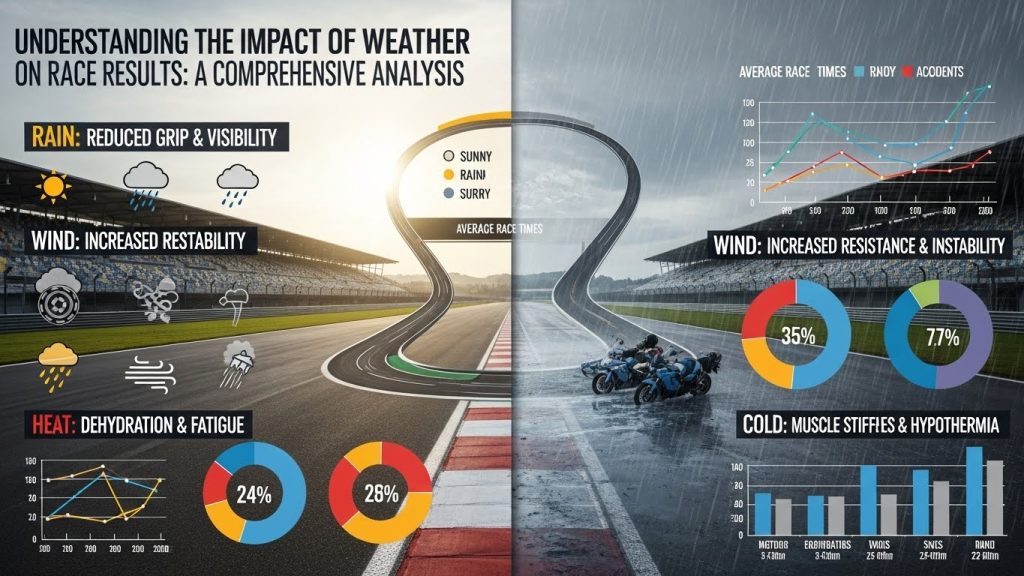
Temperature is one of the most critical weather variables affecting race performance. Both extreme heat and cold can pose challenges for athletes. In endurance sports like marathons, high temperatures can lead to heat exhaustion or heat stroke, severely impacting performance and health.

Heat can lead to dehydration and increased heart rate, making it harder for athletes to maintain their pace. Conversely, cold weather can also be detrimental, potentially leading to hypothermia if athletes are not appropriately dressed. However, cooler temperatures are often ideal for endurance races, as they help in maintaining lower body temperatures and reducing the risk of overheating.
Wind: A Double-Edged Sword
Wind can either be a friend or foe to racers. A tailwind can provide a significant advantage by reducing air resistance, allowing athletes to move faster with less effort. For instance, in cycling and track events, a strong tailwind can lead to record-breaking times.
On the other hand, headwinds can be extremely challenging, forcing athletes to expend more energy to maintain their speed. Crosswinds can also be hazardous, particularly in motor racing, where stability is crucial. The impact of wind varies between sports and even within different stages of a race, making it a complex factor to account for.
Precipitation: Rain and Snow
Rain can transform a racecourse, turning solid ground into a slippery, unpredictable surface. In sports like motor racing, wet conditions can lead to an increased risk of accidents due to reduced traction. Similarly, in running events, rain-soaked roads can slow down participants and make conditions uncomfortable.
Snow, though less common in many racing events, presents even more significant challenges. Races held in snowy conditions require specialized gear and preparation. The added weight of snow-laden clothing and the need for cautious navigation can slow down racers significantly.
Humidity: The Invisible Challenge
Humidity is often an underestimated weather factor in races. High humidity levels can exacerbate the effects of heat, making it feel hotter than the actual temperature. This can lead to increased sweating and dehydration, impacting an athlete’s capacity to perform.
In contrast, low humidity levels might seem advantageous, but they can lead to dry airways and dehydration as well. Thus, balancing hydration levels becomes crucial in both scenarios. Athletes competing in humid environments must pay close attention to their hydration strategies to ensure optimal performance.
The Psychological Impact of Weather
Beyond the physical challenges, weather conditions can also have a psychological impact on athletes. Overcast skies and rain can dampen spirits, while sunny weather might boost morale. The psychological state of an athlete can influence their performance, emphasizing the importance of mental preparation alongside physical training.
Some racers thrive in adverse conditions, seeing them as an opportunity to excel where others might falter. This mindset can be a significant advantage, particularly in endurance events where mental toughness is as crucial as physical strength.
Case Studies and Real-World Examples
Several historical races have shown the profound impact of weather on results. For instance, the 2018 Boston Marathon was characterized by cold, rainy, and windy conditions. These adverse weather conditions played a significant role in the race outcomes, with many top contenders failing to finish and unexpected athletes seizing the opportunity to excel.
In cycling, the 2019 Tour de France faced extreme heat, forcing organizers to shorten stages for safety reasons. Such decisions underscore the importance of weather considerations in race planning and execution.
Adapting Strategies for Weather Conditions
Athletes and coaches must develop strategies to adapt to varying weather conditions. This includes adjusting pacing strategies, altering hydration and nutrition plans, and selecting appropriate gear. For instance, wearing lightweight, breathable clothing in hot conditions or using aerodynamic equipment in windy races can provide a competitive edge.
Pre-race simulations in different weather conditions can also help athletes prepare mentally and physically. Understanding how their body responds to various weather scenarios allows athletes to make informed decisions during the race.
Conclusion: The Integral Role of Weather in Racing
The impact of weather on race results is undeniable and multifaceted. From temperature and wind to precipitation and psychological effects, each element can alter the dynamics of a race. For athletes and coaches, understanding these influences is crucial for optimizing performance and ensuring safety.
As we continue to analyze and adapt to these environmental factors, the intersection of meteorology and sports science will play an increasingly vital role in competitive racing. By embracing these variables, athletes can turn potential obstacles into opportunities, ultimately enhancing their performance across various racing disciplines.
About the Author