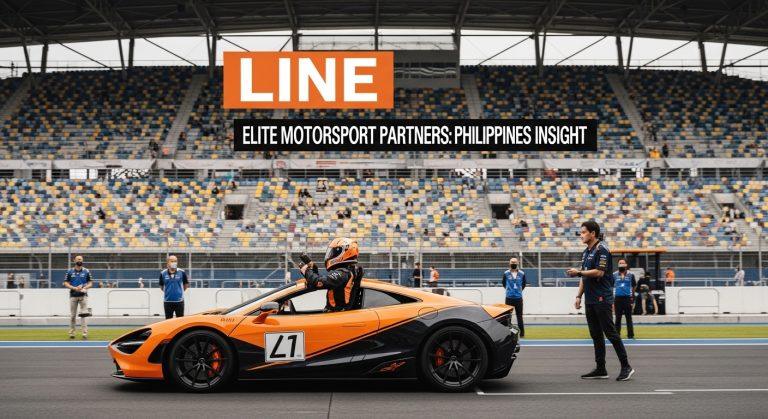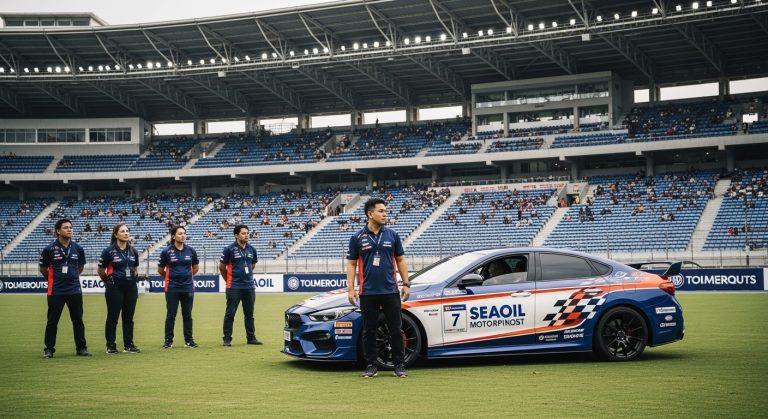
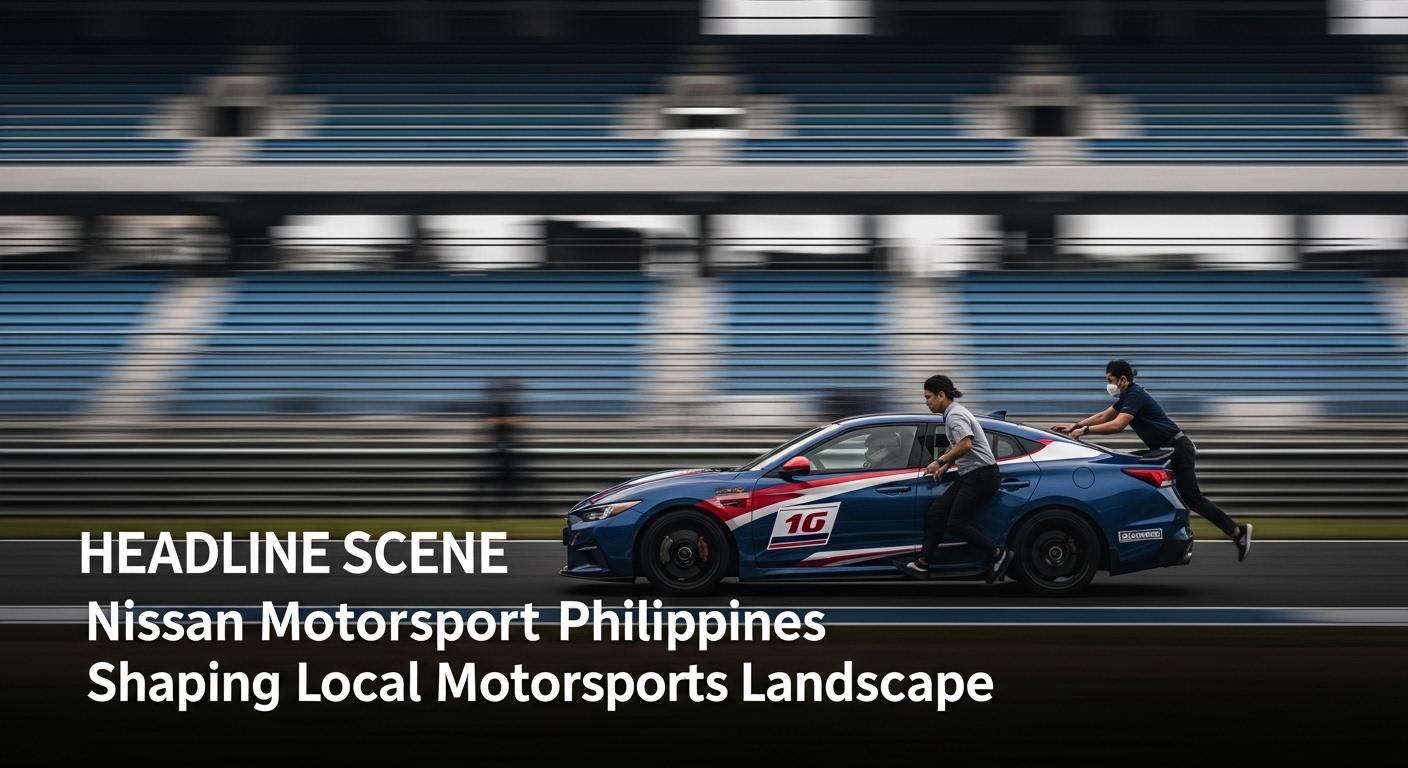
Nissan race car and team on a Philippine circuit during a motorsport event
Updated: April 8, 2026
nissan Motorsport Philippines is not just a badge on a race car; it marks a renewed commitment to developing homegrown motorsport, from track days to youth programs across the Philippines. This deep-dive examines how such branding and outreach interact with the country’s race culture, sponsorship ethics, and the economic realities that shape every stride on the circuit.
Industry Context and Market Dynamics
Philippine motorsport operates across a mosaic of grassroots clubs, amateur circuits, and limited-permanent national venues. The ecosystem hinges on volunteer organizers, local sponsors, and a burgeoning appetite for performance driving among students, car clubs, and aspiring professional racers. In this setting, a brand-led motorsport program can provide a predictable pathway—from hobbyist track days to semi-professional competition—while also testing the discipline of the market: demand for events, parts, service support, and media reach. The broader automotive market—still heavily import-driven—depends on aftersales infrastructure, safety standards, and accessibility of track time, all of which shape the viability of ongoing brand-backed initiatives. The dynamic is less about a single marquee event and more about a sustained cadence of community-building, skill development, and brand resonance that translates into longer-term loyalty and incremental sales across the country.
Nissan’s Philippines Motorsport Strategy
Observations from recent brand movements suggest a deliberate shift toward consumer-facing motorsport engagement. Reports note that Nissan Philippines staged its first Nissan Festival, signaling a strategy to translate on-track visibility into a broader consumer conversation. Such events can help demystify high-performance engineering for everyday enthusiasts, while also creating data-rich feedback loops for product planners and service networks. A sustainable strategy appears to blend festival-style engagement with ongoing driver development programs, club partnerships, and regional media amplification. By aligning with local clubs and driving schools, Nissan can cultivate a pipeline of skilled drivers who understand the brand’s technology, from suspension tuning to electronic stability systems. This approach reduces perception risk—where performance is seen as inaccessible—by making racing feel attainable and educational, rather than exclusively aspirational.
Crucially, the strategy also hinges on the Philippines’ import ecosystem and dealer network. Effective motorsport sponsorship is not only about flashy livery; it requires parts availability, service support, and predictable sponsorship ROI. In a market where currency volatility and logistics can affect pricing, Nissan’s ability to offer turnkey track-day packages, warranty-backed performance parts, and accessible coaching could become a differentiator. If executed well, this could seed a durable association between Nissan and capable, safety-conscious performance driving—one that resonates with both young enthusiasts and established tuners who value reliability and dealer-backed support.
Local Ecosystem: Racers, Teams, and Aftermarket
The Philippine racing scene relies heavily on a network of amateur racers who transition from street setups to track-prepped machines. Nissan-branded programs can anchor this ecosystem by providing standardized safety practices, certified training, and a familiar performance baseline that teams can build upon. For local tuners and aftermarket shops, the potential upside lies in product-adoption cycles: performance parts, suspension components, and brake upgrades offered with local warranty and service in mind. A strong Nissan footprint could also encourage cross-pollination with other brands, expanding the overall quality and safety standards across the market. Collaboration with automotive schools and clubs could yield an informal apprenticeship ladder—giving aspiring drivers practical experience on real tracks while simultaneously expanding the pool of qualified entrants for events. In a market where visibility competes with logistical hurdles, predictable programming and a dependable service ecosystem become as important as horsepower figures on the dyno.
Risks and Opportunities in Philippine Motorsport
Despite promising signals, several realities constrain growth. The costs of entry—including vehicle preparation, transportation of cars to venues, and consumables—can deter newcomer participation. Regulatory frameworks, track access, and safety compliance require continuous attention, which can strain smaller operations. On the opportunity side, digital engagement, sim racing convergence, and social media amplification offer scalable channels to cultivate fans and potential sponsors without the heavy overhead of frequent on-site events. Youth interest in motorsport can be nurtured through school partnerships, youth leagues, and data-driven coaching that demonstrates measurable progress. A well-structured Nissan program can leverage these channels to create a virtuous cycle: more participants drive more content, which attracts more partners, which in turn funds better facilities and more training—benefiting drivers, teams, and the brand alike.
Actionable Takeaways
- Brands should couple high-visibility events with ongoing entry-level programs that teach safety, vehicle dynamics, and telemetry basics to beginners.
- Teams and drivers should invest in data collection and analysis at training events to quantify performance gains and improve safety practices.
- Policy-makers and venue operators should streamline track-access processes, support basic safety certifications, and encourage standardized event formats to lower barriers to entry.
- Local dealerships should coordinate with clubs to provide maintenance clinics, parts discounts, and warranty-backed upgrade paths to sustain participation.
- Media and sponsors can amplify the story of accessible performance by highlighting success stories from grassroots participants and the broader economic benefits of a vibrant motorsport ecosystem.