bein Motorsport Philippines reshapes regional Asian broadcast
Updated: April 8, 2026
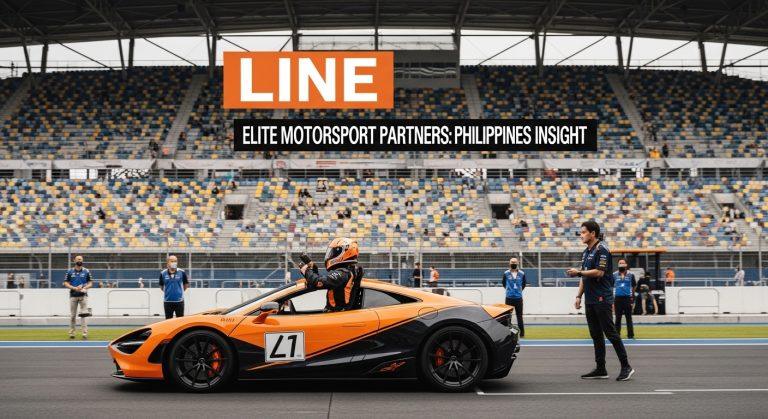
bein Motorsport Philippines is perched at a strategic nexus where global broadcast deals meet local race culture. As bein expands its Asia-wide footprint, Philippine fans become both consumers and co-authors of a regional storytelling arc that blends the spectacle of Formula 1 with the grit of local circuits. This analysis examines what the renewed broadcast partnerships could mean for Philippine teams, venues like Cavite’s Tamaraw OMR project, and the brands that fuel the sport across Southeast Asia.
Broadcast footprints and local reach
The ongoing renewal of F1 and Bein’s Asia-wide broadcast arrangement, extended through the coming decade, anchors a stable supply of premium motorsport content for Philippine homes and mobile screens. The prospect of uninterrupted feeds into 2030 creates a predictable baseline for advertisers and venue operators, and it expands the corridor through which regional sponsors can reinforce visibility during marquee events. Yet the Philippine market remains a patchwork of rights holders and platform preferences, with streaming and social clips increasingly shaping how fans access races alongside traditional broadcasts. The net effect is a dual-channel opportunity: the traditional TV audience anchored by BeIN’s live coverage, and a rising digital audience consuming curated clips, explainers, and driver diaries created for local viewers.
Philippines as a testbed for regional strategies
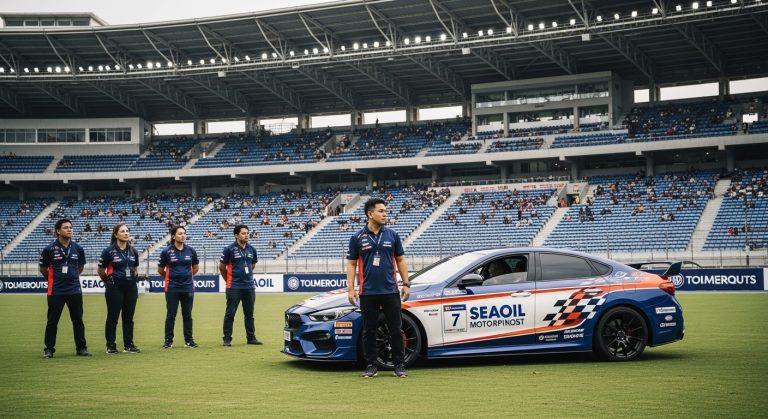
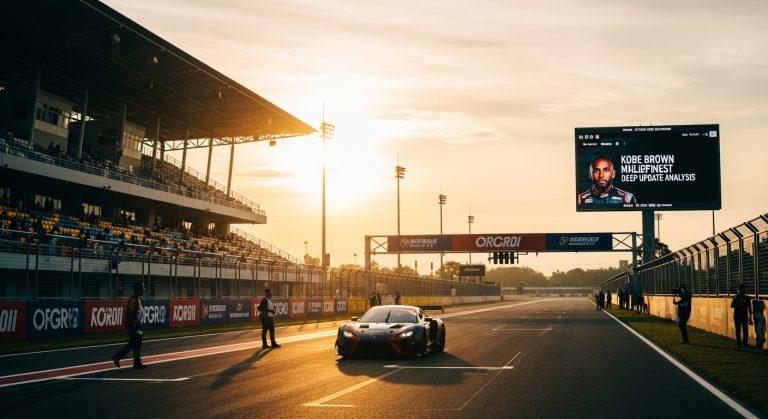
Philippine promoters and teams find themselves at the confluence of global prestige and homegrown grit. When a major brand or series treats the Philippines as a strategic hub—whether through event calendars, media partnerships, or talent development programs—promoters must align with both international rights holders and local expectations. The case of Cavite’s Tamaraw OMR street-race initiative, slated for a 2026 launch, illustrates this dynamic: street-capacity events can leverage BeIN’s regional reach to attract cross-border audiences while showcasing local engineering talent and event management capabilities. In this context, the Philippines can become a proving ground for formats that can be scaled to other markets, translating regional broadcast economics into tangible on-the-ground benefits for teams, venues, and sponsors.
From screen to track: viewer engagement and content strategies
Beyond the live feed, the modern motorsport broadcast strategy hinges on a rich content ecosystem. Editorial features, behind-the-scenes segments, and technical explainers convert passive viewing into engaged fandom. When a global brand alignment with Formula 1—such as naming rights for chassis or high-profile driver partnerships—meets local storytelling, it unlocks narrative arcs that resonate with Philippine audiences. A narrative thread around the engineering challenges of a race car, the strategic decisions of a team, or a driver’s personal journey can supplement the on-track drama and extend the sport’s relevance during off-season periods. The Philippines’ audience is increasingly mobile-first, so content that travels across platforms—short-form videos, live Q&As, and regional highlight reels—can amplify brand sponsorships and ticket-sell-through for domestic events.
Policy, sponsorship, and the business of racing media
Broadcast rights, sponsorship investments, and digital monetization are the trifecta that underwrites modern motorsport. For the Philippines, a mature media environment requires clear licensing frameworks, transparent revenue-sharing with local promoters, and robust anti-piracy measures to protect sponsor investments. As Bein’s Asia-wide footprint strengthens, sponsors gain a larger canvas for regional campaigns, but these must be tailored to local consumer behavior. The business logic favors content that can be repurposed for multiple markets: a single high-end production can fuel broadcasts, online channels, and sponsor-branded content across several Southeast Asian territories. In practical terms, this means more regionally coordinated marketing timelines, standardized asset libraries, and a willingness from organizers to share data on audience reach and engagement to optimize future rights packages.
Actionable Takeaways
- Collaborate with Bein to create localized race-week content that pairs live broadcasts with Philippine-specific explainers, driver profiles, and fan Q&As.
- Develop streaming-first formats for the Philippine market, including on-demand race replays, cut-down highlights, and short-form technical explainers that fit mobile viewing habits.
- Align with regional sponsors on cross-border campaigns that leverage Bein’s Asia reach, while ensuring local track partners receive measurable exposure and event-level ROI.
- Invest in venue and community-building initiatives, such as school partnerships and youth-access programs, to broaden the talent pipeline and deepen fan loyalty around local events like the Tamaraw OMR‑style street races.
- Standardize content assets (b-roll, driver interview libraries, telemetry explainers) across markets to enable scalable marketing that can be quickly localized for the Philippines and nearby territories.
Source Context