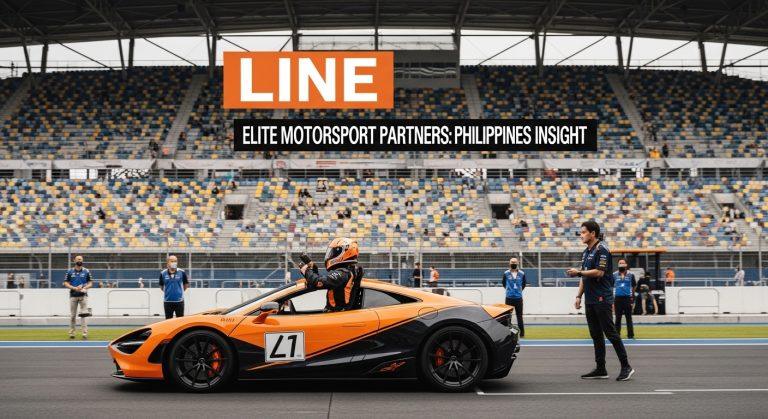
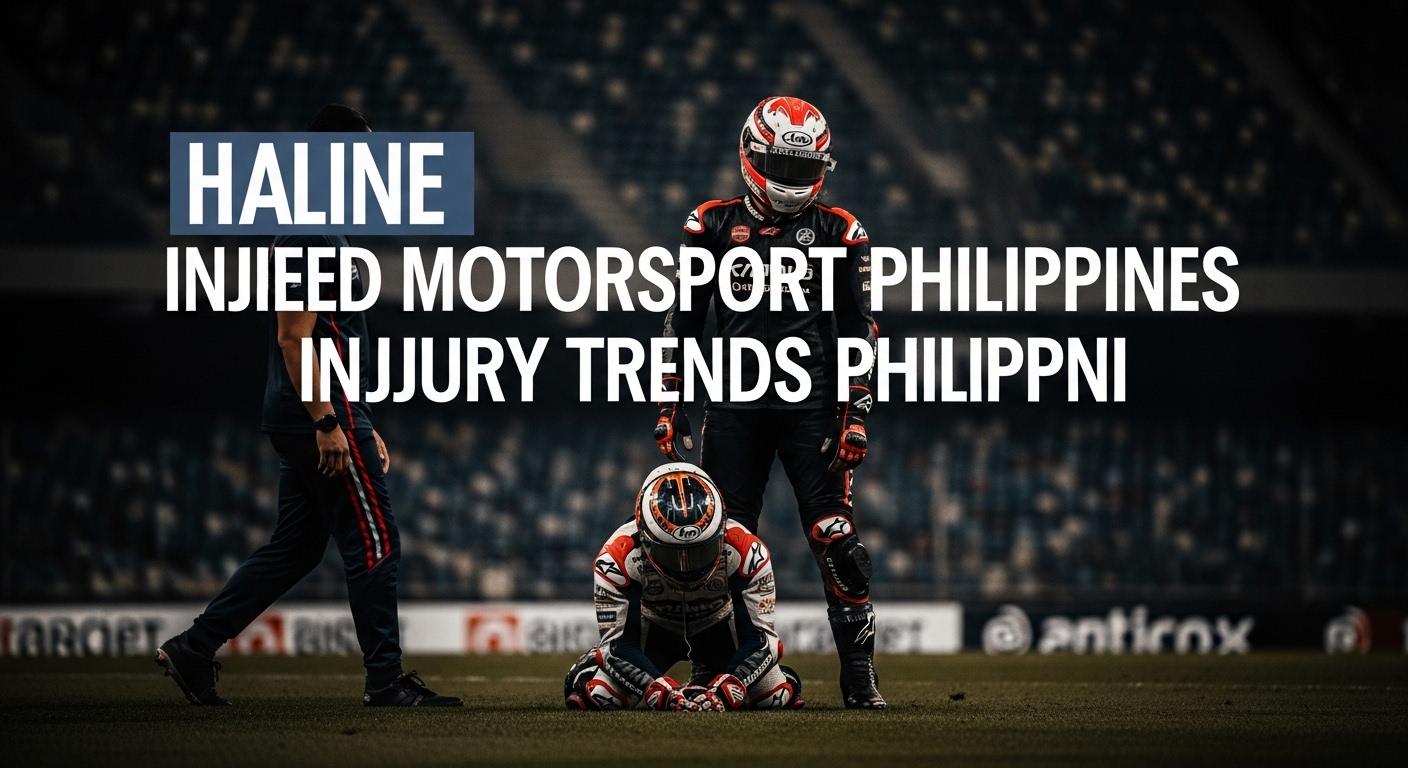
Driver on a Philippine race track with safety crews in the background
Updated: April 8, 2026
Motorsport Philippines stands at a pivotal moment as technology, sponsorship, and regional competition reshape the sport; this analysis maps the forces shaping it, from local kart tracks to the international grids that fuel Filipino fans’ aspirations. The balance between grassroots growth, corporate backing, and the costs of competing on evolving technical platforms will determine whether the country can sustain a robust motorsport ecosystem in the coming decade.
Context and Stakes for Motorsports in the Philippines
Across the archipelago, interest in speed, precision, and team storytelling has grown, yet the motorsport landscape remains heavily reliant on a few high-visibility events and a nascent but sharpening grassroots ladder. Public interest is strongest around major race weekends and regional championships, but long-term growth depends on a steady pipeline of drivers, engineers, and technicians who can translate amateur talent into professional opportunity. Local circuits and karting programs are essential touchpoints for learning the craft, while exposure to international standards helps attract sponsors who want measurable returns—audience engagement, broadcast reach, and data-driven performance metrics. In this context, the Philippines’ broader economic dynamics—small- and medium-enterprise sponsorship capacity, the cost of imported parts, and the availability of maintenance ecosystems—shape how fast a durable domestic scene can emerge. The question is not merely about speed on Sundays, but about sustained investment that yields local jobs, technical know-how, and a national brand attachment around motorsport as a form of regional identity.
Technology, Regulation, and Global Links
Globally, motorsport is moving toward tighter safety standards, more sophisticated data analytics, and higher engineering costs. This tension between progress and affordability is not unique to the Philippines, but it lands hard on entrants without deep corporate backing. For Philippine teams and promoters, the challenge is to balance the pursuit of competitive parity with the realities of local budgets. Regulatory shifts—whether engine specifications, electrification timelines, or cost-control mechanisms—create cascading effects: the need for more capable simulators, access to certified technicians, and partnerships with suppliers who can deliver reliable parts at predictable prices. Regional links matter as well. ASEAN-based series and cross-border events offer Filipino teams a pathway to measure themselves against peers from neighboring markets, while media rights and sponsorship ecosystems are more resilient when a country can anchor a consistent home series with regional relevance. The ongoing public discourse around engine development and cost containment in global championships provides a cautionary backdrop: without careful alignment, rising technical demands can outpace the capacity of a domestic scene to absorb them. Yet, there is potential in cooperative sponsorships, shared data platforms, and phased tech transitions that let teams upgrade incrementally rather than in single, expensive leaps.
Paths to Growth: Domestic Talent, Infrastructure, and ASEAN Competition
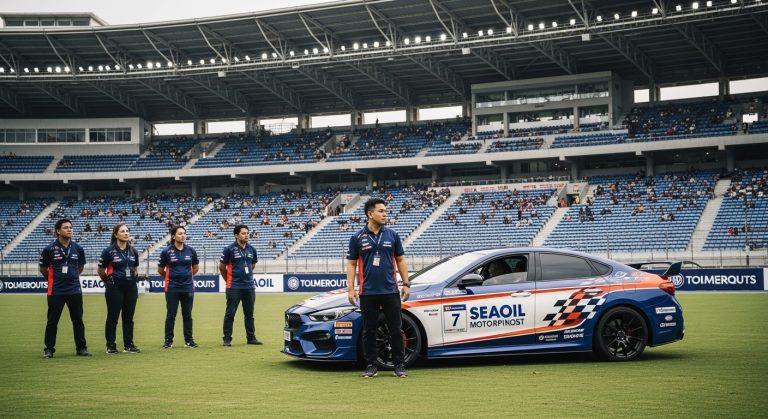
The Philippines’ path to durable motorsport growth rests on three interlocking pillars. First is talent development: from karting academies that cultivate cornering precision to engineering cohorts who can design, tune, and repair race machines, a clear ladder must connect youth participation with professional opportunity. Second is infrastructure: safe, accessible venues with reliable support services—including maintenance hubs, safety personnel, and standardized operating procedures—are essential to reduce downtime and attract corporate partners who seek predictable ROI. Third is regional integration: as a market with a growing middle class and a tech-savvy fanbase, the country benefits from ASEAN-style competition that broadens the audience base and expands sponsorship tiers. A concrete signal of movement in this direction is the 2026 TGR Philippine Cup, which kicks off with the Tamaraw OMR debut in Cavite, signaling a renewed appetite for domestic showcase events that can attract regional attention while nurturing local talent. For promoters, teams, and fans, the practical implication is simple: build the domestic calendar around sustainable venues, invest in youth pathways, and leverage ASEAN platforms to keep the fan pipeline flowing between seasons.
Actionable Takeaways
- Develop a national motorsport framework that prioritizes youth development, standardized safety protocols, and tiered competition to keep costs predictable for new entrants.
- Encourage public-private partnerships to fund circuit upgrades, maintenance hubs, and telematics infrastructure that enable data-driven performance gains without prohibitive upfront spend.
- Foster regional cooperation within ASEAN circuits to create a viable second-tier ladder, enabling Filipino teams to benchmark against peers and attract regional sponsorships.
- Align local regulations with international standards in phased steps to ease the cost burden while preserving safety and quality, ensuring teams can plan multi-year investments.
- Invest in media, marketing, and fan engagement strategies that grow viewership, translate it into sponsor value, and turn race weekends into broader entertainment events that resonate with Filipino audiences.
Source Context
Contextual references about the global engine debate, coverage of national-level developments, and specific regional events inform this analysis. Readers can explore the original reporting to understand how these threads intersect with the Philippines’ motorsport ambitions.