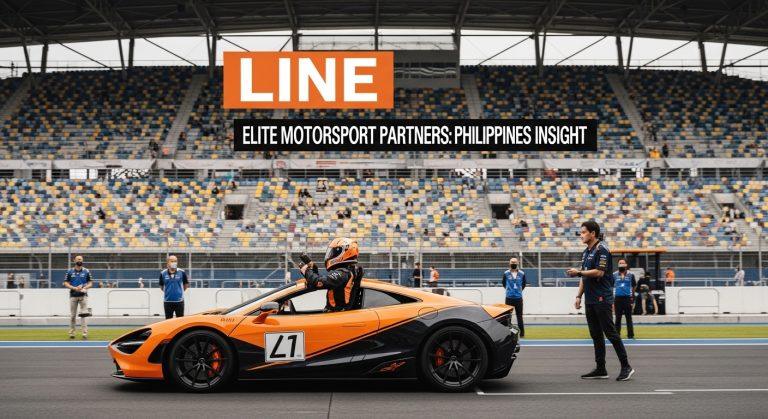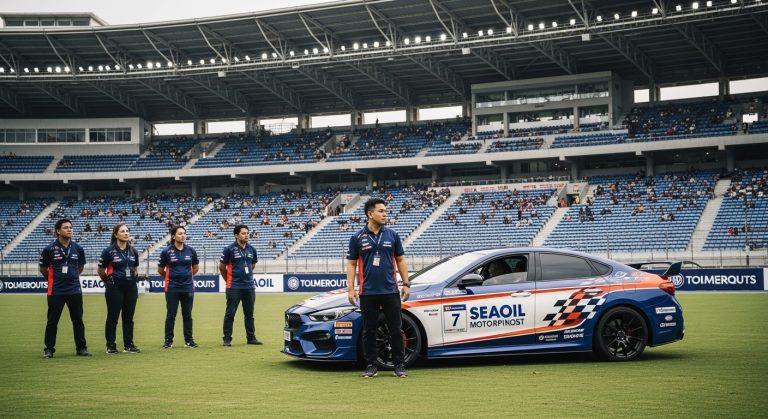
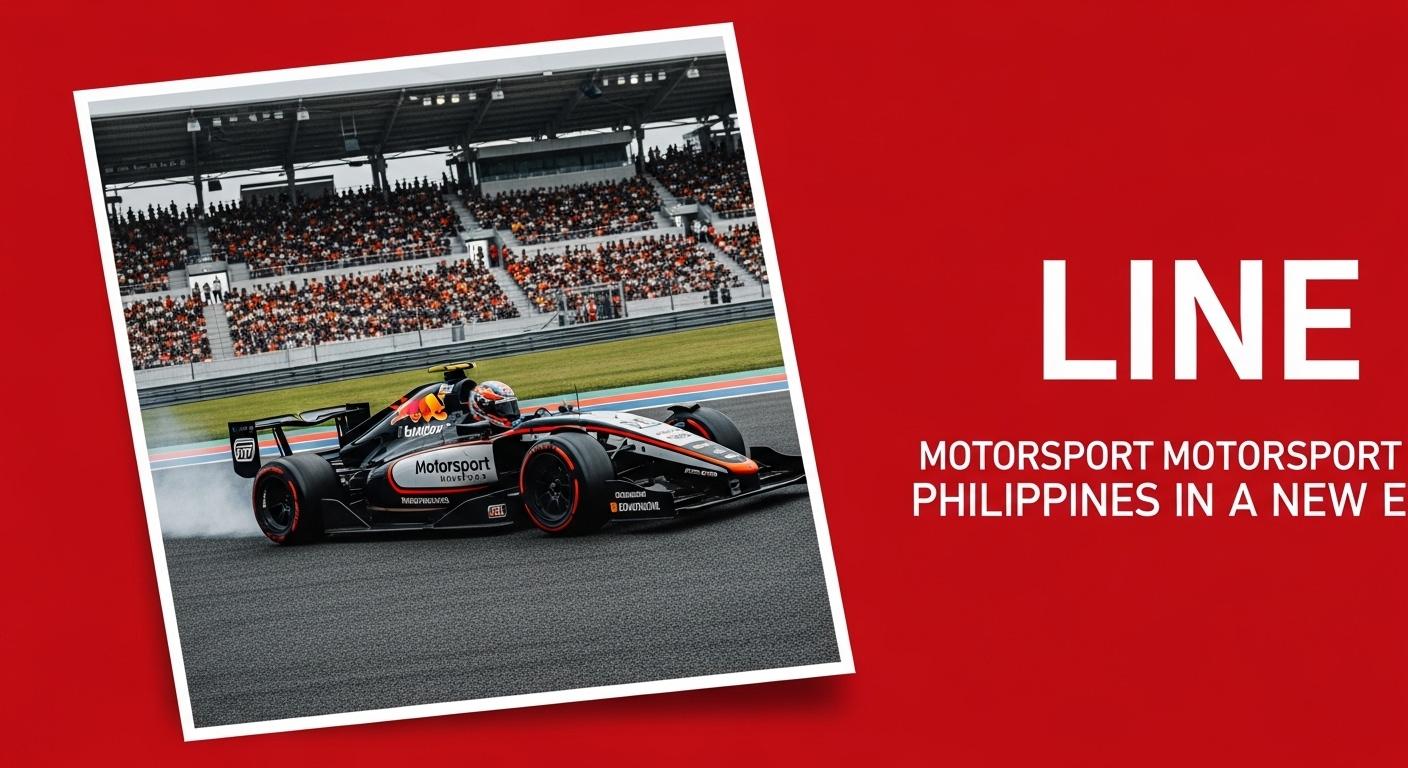
Motorsport Philippines scene with local cars and fans at a Philippine track.
Updated: April 8, 2026
From the grand prix circuits to community raceways, motorsport Motorsport Philippines sits at a crossroads as global shifts in the sport reach Philippine shores. With Formula One recalibrating its rules and sponsorship models, and streaming opening audiences wider than ever, Philippine fans and teams must decide how to navigate a landscape that prizes efficiency, data, and visibility. This article examines the implications for local racing, identifying where opportunities lie, who benefits, and what risks require prudent planning.
Global shifts reshape opportunities for Philippine racing
Globally, motorsport is undergoing a recalibration of value propositions. Traditional media deals are expanding into streaming platforms, data analytics, and sustainability initiatives that redefine what sponsors expect from a race program. A broader regional footprint for events and partnerships means more potential visibility for Philippine teams and circuits, but it also raises the bar for performance, governance, and fan experience. In this context, the Philippines faces both a chance to attract regional attention and a duty to strengthen the infrastructure that makes national series financially viable and journalistically credible.
Industry observers point to shifts in how top-tier racing engages fans, as digital access, social content, and real-time telemetry become standard expectations. While the impact on each local team varies, the overarching dynamic is clear: global brands want meaningful, measurable engagement that translates into long-term loyalty, not mere spectacle. For Philippine stakeholders, the question becomes how to tailor that global playbook to a market characterized by developing circuits, a rising youth demographic, and a growing but imperfect funding ecosystem.
Recent announcements about regional competition calendars, including races in Cavite and other PHP hubs, illustrate how local organizers can align with international rhythms without sacrificing national relevance. In short, the era demands a more intentional blend of athletic development, commercial discipline, and community-building to convert attention into sustainable growth.
Local series: stepping stones or aging platforms?
Local championships such as the Toyota Gazoo Racing PH Cup and the Seaoil Radical Challenge PH are pivotal to nurturing homegrown talent and sustaining a competitive ecosystem. The 2026 calendar highlights a Cavite kickoff for the Toyota Gazoo Racing PH Cup on March 13, signaling a renewed commitment to accessible, affordable competition across a structured ladder. Meanwhile, the Radical Challenge’s June start underscores a push to diversify the vehicle classes and racing formats that can attract different driver profiles and sponsor fits.
These programs collectively serve as essential stepping stones for Filipino drivers eyeing higher levels of competition, while also testing the organizational capacity of local tracks, officiating bodies, and support services. Yet the sustainability question remains: can multiple series share the same talent pool and facilities without diluting quality or inflating costs? The balance hinges on coordinated calendars, standardized safety benchmarks, and a shared vision for how revenue from entry fees, sponsorship, and venue use is reinvested into the sport’s grassroots and development programs.
Sponsorship and talent pipelines in the new era
As the sport’s commercial model evolves, sponsors are increasingly evaluating the ROI of their partnerships beyond mere brand visibility. In the Philippine context, sponsors seek programs that deliver data-driven storytelling, youth engagement, and measurable community impact. Local series that can demonstrate consistent event execution, clear safety standards, and opportunities for ecosystem partners—teams, drivers, service providers, and media—stand to attract longer-term commitments. The evolution also calls for stronger links between OEMs, automotive brands, and grassroots programs, enabling a more transparent progression path for drivers who start in national races and aspire to regional or international stages.
Beyond corporate backing, the talent pipeline benefits from a holistic approach: driver development academies, access to professional coaching, and exposure through digital content that showcases skill progression. In a market like the Philippines, this means not only weekend races but also structured year-round activities that keep young drivers engaged, ensure seat time, and provide data-backed feedback for improvement. The net effect is a more resilient ecosystem where drivers graduate from local circuits toward regional opportunities with a clearer value proposition for sponsors and fans alike.
Technology, media, and fan engagement in Philippines motorsport
Technology and media are redefining how fans experience motorsport in the Philippines. Local broadcasts and streaming partnerships, coupled with rich digital content, can bring race weekends into living rooms and mobile devices, expanding the audience beyond traditional on-site attendees. This broader reach creates demand for high-quality production, English and Filipino-language coverage, and interactive formats that invite viewer participation—polls, driver Q&As, and behind-the-scenes tours that deepen emotional investment in teams and drivers.
Municipal support, track accessibility, and school partnerships also matter. If local governments see value in tourism, employment, and youth activities tied to racing, they may invest more in track maintenance, safety infrastructure, and vocational programs. A more robust public-private collaboration framework could turn race weekends into multi-day community events, spurring ancillary commerce and sustained engagement with motorsport as a cultural fixture rather than a sporadic spectacle.
Actionable Takeaways
- Organizers should align calendars across local series to maximize seat time for drivers while ensuring safety and regulatory compliance that meets regional expectations.
- Teams and drivers should pursue multi-series development, leveraging data analytics and professional coaching to sharpen performance and attract sponsors.
- Sponsors should demand measurable engagement metrics and support for grassroots programs that fuel a long-term talent pipeline, not just event-level branding.
- Media and promoters must invest in accessible, bilingual coverage and high-quality production to translate on-track action into broad audience growth and sponsor value.
- Fans can contribute by attending races, joining local clubs, and engaging with digital content that promotes a sustainable, inclusive motorsport culture in the Philippines.
Source Context
- The Star — Explainer: What’s changed as Formula One enters a new era
- Speed Magazine Philippines — 2026 Toyota Gazoo Racing PH Cup kicks off in Cavite
- ZigWheels Philippines — 2026 Seaoil Radical Challenge PH to kick off in June