Updated: March 13, 2026
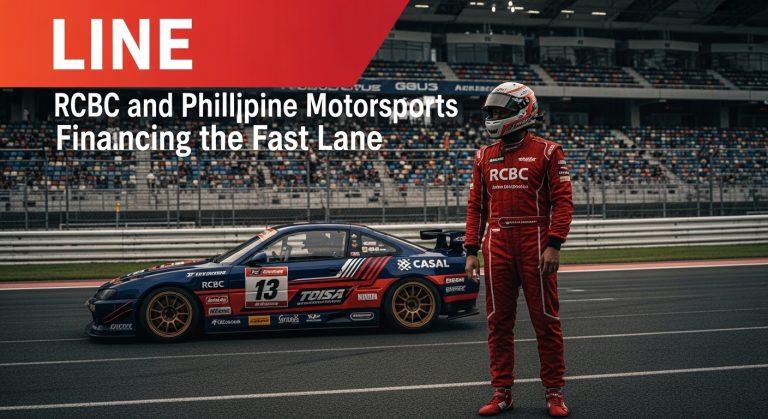
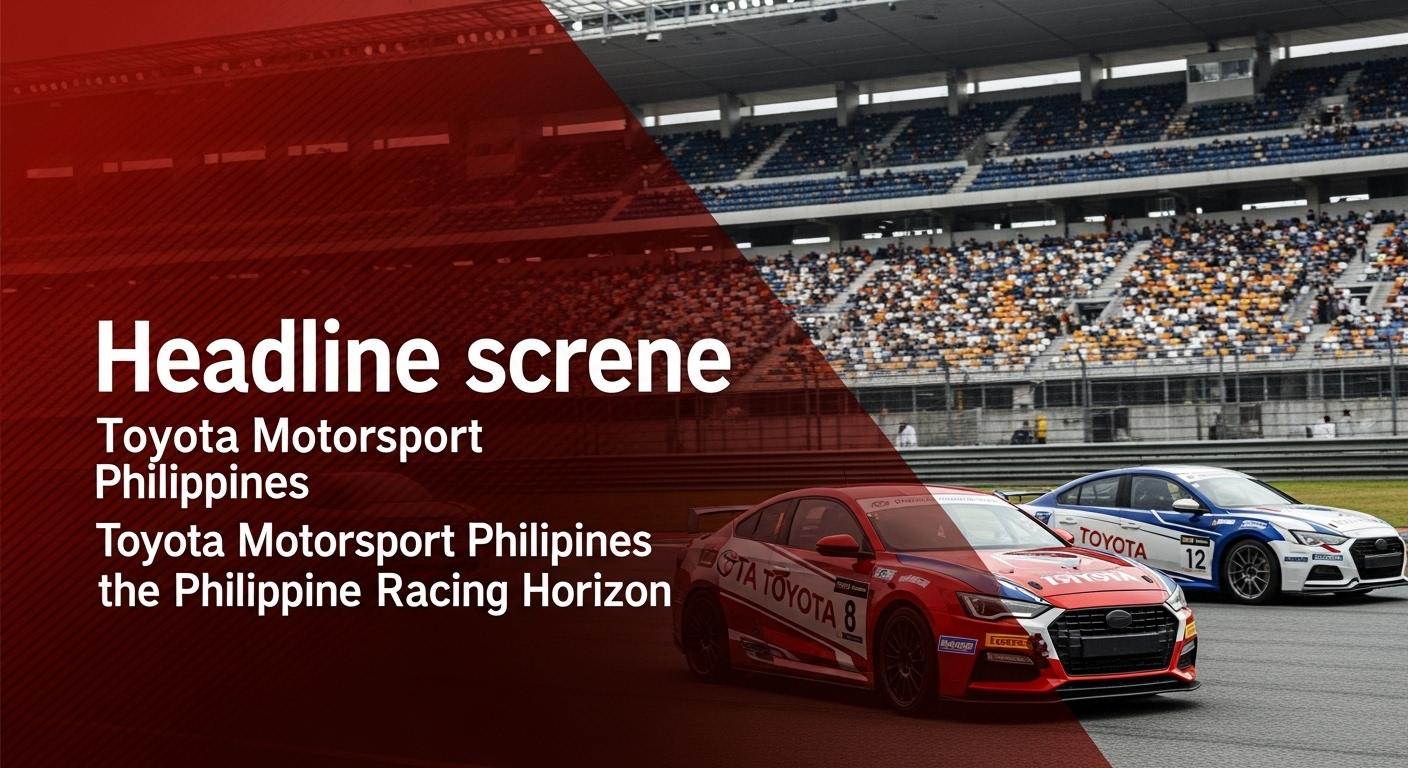
In the Philippines’ evolving motorsport scene, toyota Motorsport Philippines is not just branding; it’s a strategic hinge for teams, tracks, and sponsors as street races and planned circuits reshape the calendar.
Industry Context and National Momentum
The Philippine motorsport calendar is recalibrating around an urban-first philosophy, with street races offering high visibility and quick fan turnover. The Manila Times reports that Toyota Gazoo Racing Philippines will anchor the season opener with a street race, signaling a deliberate strategy to blend cityscape spectacle with competitive on-track performance. In this framework, toyota Motorsport Philippines isn’t merely a sponsor; it functions as a hub for talent development, event logistics, and media rights negotiations that ripple through teams, circuits, and local governments.
To understand the implications, consider the city-level constraints: road closure planning, safety protocols, emergency services coordination, and the capacity of local venues to absorb a multi-day motorsport event. The shift toward street formats raises expectations for precise traffic management and rapid post-event cleanup. For fans in the Philippines, the approach could translate into more frequent events in accessible quarters, a potential boost to ticketing models, and more comprehensive broadcast packages as sponsors seek measurable reach.
Racing Platforms and Public Engagement
Urban circuits demand a hybrid of live experiences and digital engagement. Street races can deliver dramatic, close-quarters racing that translates well to social media clips, but they also require disciplined crowd control and transparent governance to avoid conflict with local communities. Toyota’s involvement, across the racing calendar, could emphasize not only performance but also community programs—driver development academies, youth outreach, and partnerships with schools and colleges that feed into a regional talent pipeline.
From a broader perspective, the Philippines’ race calendar has historically struggled with gaps between marquee events and grassroots initiatives. A sustained, manufacturer-backed program helps align youth motorsport access with safe pathways to national competition. The public profile of the sport rises when events are designed to maximize accessibility, from public transit integration to family-friendly zones and real-time race analytics.
Sponsorship, Partnerships, and Economic Realities
For brands, the Philippines offers a unique blend of local-market penetration and regional visibility. Toyota, by anchoring a long-running program, signals a commitment to building a homegrown talent ecosystem while leveraging regional motorsport storytelling. Local sponsors and small-to-medium enterprises may participate in tiered packages, from track-side branding to hospitality experiences, with anticipated returns anchored in audience growth and social reach. This dynamic, if well-managed, can support a sustainable event cycle that lowers long-term risk for teams even as costs rise with urban-format racing.
Economically, the model depends on synchronized timelines among circuit operators, city authorities, and media partners. The balance between spectacle and practicality—affordable ticketing, predictable scheduling, and reliable broadcast windows—drives sponsor confidence and fan loyalty. In this context, toyota Motorsport Philippines becomes part of a broader Asia-Pacific strategy that emphasizes performance, data-driven activation, and a clear path for talent development from regional skirmishes to national championships.
Operational Challenges and Governance
Street-format events sharpen both the opportunity and the risk curve. The operational playbook must cover permit procurement, traffic management, medical coverage, waste and site restoration, and contingency planning for weather or unforeseen disruptions. Governance must be transparent, with explicit safety standards, incident reporting, and stakeholder updates that include local governments, police, and community associations. A predictable governance framework reduces the incidence of last-minute changes and helps clubs plan for multi-year commitments rather than one-off spectacles.
These realities also shape the athlete ecosystem. Teams rely on predictable testing, reliable parts supply, and accessible training venues, all of which require coordinated investment beyond a single race weekend. The role of toyota Motorsport Philippines, in this context, is not only to compete but to cultivate conditions where emerging racers can gain experience in diverse formats, from sprint events to endurance-style sessions that test reliability and team coordination.
Actionable Takeaways
- Prioritize transparent safety protocols and real-time risk management to sustain street-race formats.
- Invest in community engagement programs that build local support and minimize disruption.
- Develop tiered sponsorship packages that offer tangible ROI for local SMEs and national brands.
- Enhance broadcast and digital fan experiences with data-driven content and on-site storytelling.
- Coordinate closely with local governments to streamline permitting and infrastructure planning for future events.