The Future of Race Analysis: Trends and Predictions for the Next Decade
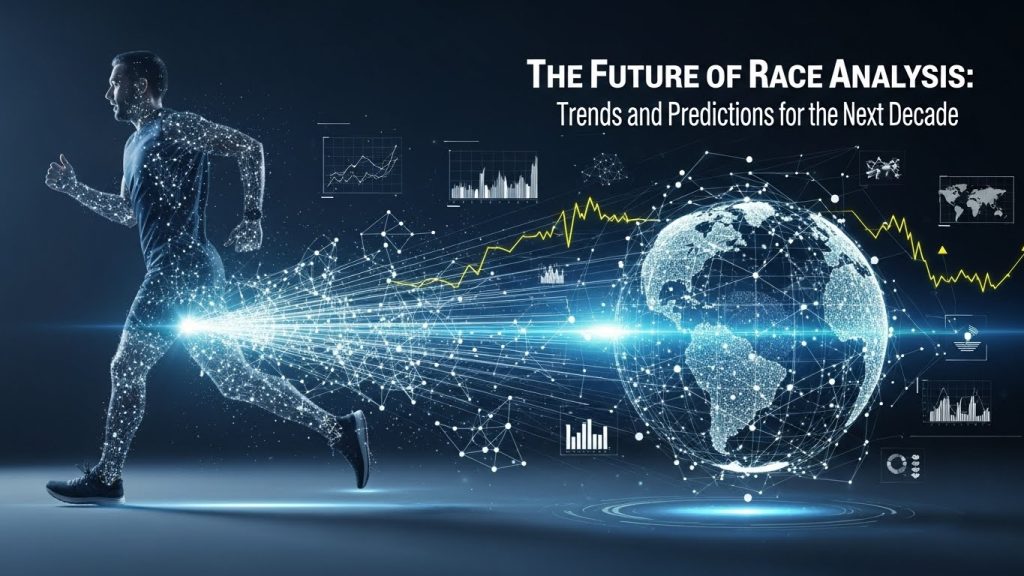
In the dynamic world of sports, race analysis has evolved from rudimentary assessments to sophisticated, data-driven insights. As technology continues to advance, the future of race analysis promises to be even more groundbreaking. This exploration will delve into emerging trends and predictions that are set to redefine the landscape of race analysis over the next decade. Whether you are a coach, athlete, or enthusiast, understanding these developments will be crucial in staying ahead of the curve.
The Rise of Artificial Intelligence in Race Analysis
Artificial Intelligence (AI) is poised to revolutionize race analysis. With capabilities that extend beyond human limitations, AI can process vast amounts of data at unprecedented speeds. This ability is particularly useful in race analysis, where AI algorithms can analyze performance metrics, environmental conditions, and competitor strategies in real-time.
One of the most exciting applications of AI is predictive analytics. By analyzing historical data, AI can forecast race outcomes with remarkable accuracy. This predictive capability allows teams to devise more effective strategies, giving them a competitive edge. Moreover, AI can identify patterns that might be invisible to the human eye, offering new insights into performance optimization and injury prevention.
Integration of Wearable Technology

Wearable technology has already made significant inroads into race analysis, and its role is only expected to grow. Devices such as smartwatches and fitness trackers provide real-time data on an athlete’s physiological metrics, like heart rate, speed, and distance. In the future, more advanced wearables will offer deeper insights, including muscle fatigue, hydration levels, and even mental focus.
These advancements will enable personalized training regimens tailored to an athlete’s unique physiological profile. Coaches will be able to make data-driven decisions to optimize performance and minimize the risk of injury. As wearable technology becomes more sophisticated, the granularity of data available will dramatically enhance race analysis.
Big Data and Its Impact on Race Strategy
The sheer volume of data generated in modern races is staggering. From GPS tracking to biometric sensors, every facet of an athlete’s performance can be quantified. The challenge lies in making sense of this big data to inform race strategy.
Advanced data analytics tools are increasingly being employed to distill meaningful insights from this data. By analyzing patterns and trends, teams can make informed decisions about pacing, resource allocation, and competitor analysis. This data-driven approach is transforming how races are strategized and executed, with decisions now based on evidence rather than intuition.
Augmented Reality as a Training Tool
Augmented Reality (AR) is another technology set to leave its mark on race analysis. By overlaying digital information onto the physical world, AR can create immersive training environments that simulate real race conditions. This capability allows athletes to practice race scenarios and develop strategies in a controlled environment.
Furthermore, AR can be used to visualize data in a more intuitive way, facilitating a deeper understanding of performance metrics. For instance, athletes can see a visual representation of their speed, trajectory, and energy expenditure, enabling them to make real-time adjustments. As AR technology becomes more accessible, its application in race analysis and training will likely increase, offering new dimensions of understanding and capability.
The Role of Blockchain in Ensuring Data Integrity
In an era where data is as valuable as gold, ensuring its integrity is paramount. This is where blockchain technology comes into play. Known for its security and transparency, blockchain can ensure the authenticity of race data, protecting it from tampering or fraud.
Blockchain’s decentralized nature makes it an ideal solution for storing race data securely. It also facilitates transparent data sharing among stakeholders, allowing for collaborative analysis without compromising data integrity. As the importance of data integrity continues to grow, blockchain’s role in race analysis will likely become more pronounced.
Enhanced Spectator Engagement and Experience
While much of race analysis focuses on improving athlete performance, there is also a significant opportunity to enhance the spectator experience. Advanced data visualization techniques and real-time analytics can provide audiences with a more immersive and engaging experience.
Imagine a spectator being able to view live statistics, such as split times and energy levels, through a mobile app or AR headset. This level of engagement can deepen their understanding and appreciation of the sport. As technology continues to advance, the way audiences experience races is set to transform, making them more interactive and informative.
Conclusion: Embracing the Future of Race Analysis
The next decade promises to be a transformative period for race analysis. Technologies such as AI, wearable tech, big data, AR, and blockchain are set to redefine the way races are analyzed, strategized, and experienced. These innovations will offer unprecedented insights, allowing for more refined strategies and enhanced spectator engagement.
As we look to the future, it’s clear that those who embrace these advancements will lead the way in race performance and spectator experience. By staying informed and adaptable, athletes, coaches, and enthusiasts can leverage these technologies to achieve new heights in the world of race analysis.
Customization and Personalization in Race Training
As technology continues to advance, one of the most significant trends in race analysis is the shift towards highly customized and personalized training programs. With access to granular data about an athlete’s performance, coaches can tailor training regimens to address specific strengths and weaknesses. This level of customization is made possible by the continuous evolution of data analytics and machine learning.
Personalized training not only focuses on physical capabilities but also considers psychological factors. By analyzing data related to stress levels, motivation, and focus, coaches can adapt training sessions to optimize mental preparedness. This holistic approach to training ensures that athletes are not only physically fit but also mentally resilient, a crucial component for success in competitive racing.
Environmental Factors and Their Analysis
Environmental conditions play a pivotal role in race outcomes, and analyzing these factors has become an integral part of race strategy. Variables such as weather, altitude, and terrain can significantly impact an athlete’s performance. In the coming years, we anticipate more sophisticated tools to measure and analyze these environmental aspects in real-time.
For example, data collected from drones and satellite imagery can provide detailed insights into weather patterns and terrain conditions. By integrating this environmental data with athlete performance metrics, teams can develop strategies that optimize performance under varying conditions. This comprehensive understanding of environmental influences will be crucial in preparing athletes for any scenario they might encounter during a race.
Collaboration Among Stakeholders
As race analysis becomes more complex and technology-driven, collaboration among various stakeholders is becoming increasingly important. Athletes, coaches, data analysts, and technologists must work together to develop and implement effective strategies. This multidisciplinary approach ensures that all aspects of race preparation and execution are covered, from technical analysis to psychological readiness.
Furthermore, collaboration can extend beyond teams to include partnerships with technology companies and research institutions. These collaborations can drive innovation in race analysis tools and techniques, fostering an ecosystem of continuous improvement. By sharing knowledge and resources, stakeholders can elevate the standard of race analysis, benefiting the entire sporting community.
Ethical Considerations in Race Analysis
With the increasing reliance on technology and data in race analysis, ethical considerations are coming to the forefront. Issues such as data privacy, consent, and the fair use of technology must be addressed to ensure that the benefits of these advancements are realized without compromising ethical standards.
For instance, as biometric data becomes more detailed and personal, ensuring the privacy and security of this information is crucial. Athletes must have control over their data and understand how it is being used. Additionally, the use of technology must be equitable, ensuring that all athletes have access to the tools and insights necessary to compete fairly.
Addressing these ethical considerations will require clear guidelines and regulations, as well as an ongoing dialogue among stakeholders. By prioritizing ethics in race analysis, the industry can build trust and ensure that technological advancements are harnessed responsibly.
Conclusion: A New Era of Race Analysis
As we look towards the future, it is evident that race analysis is on the cusp of a new era. The integration of cutting-edge technologies such as AI, wearable tech, and big data analytics is set to transform how races are analyzed and strategized. These advancements offer the potential for unprecedented insights and performance optimization, marking a significant evolution in the field.
However, with these opportunities come challenges. Ensuring data integrity, addressing ethical concerns, and fostering collaboration among stakeholders will be crucial in navigating this evolving landscape. By embracing innovation while maintaining a commitment to ethical standards, the future of race analysis promises to be both exciting and responsible.
As the next decade unfolds, those who adapt and innovate will lead the way, setting new benchmarks in race performance and analysis. Whether you are an athlete, coach, or enthusiast, staying informed and engaged with these trends will be essential in harnessing the full potential of race analysis in the years to come.
About the Author