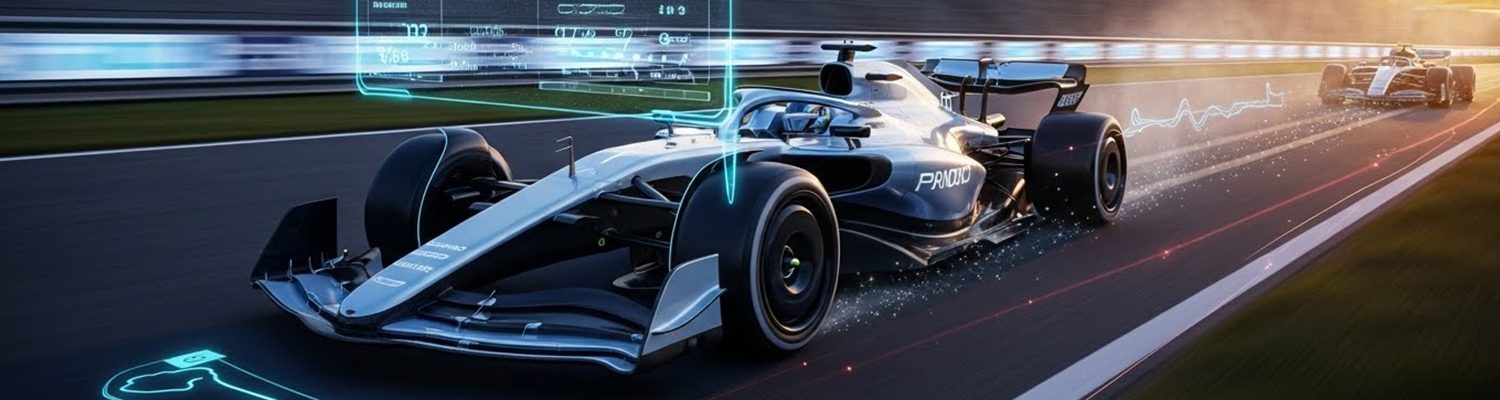
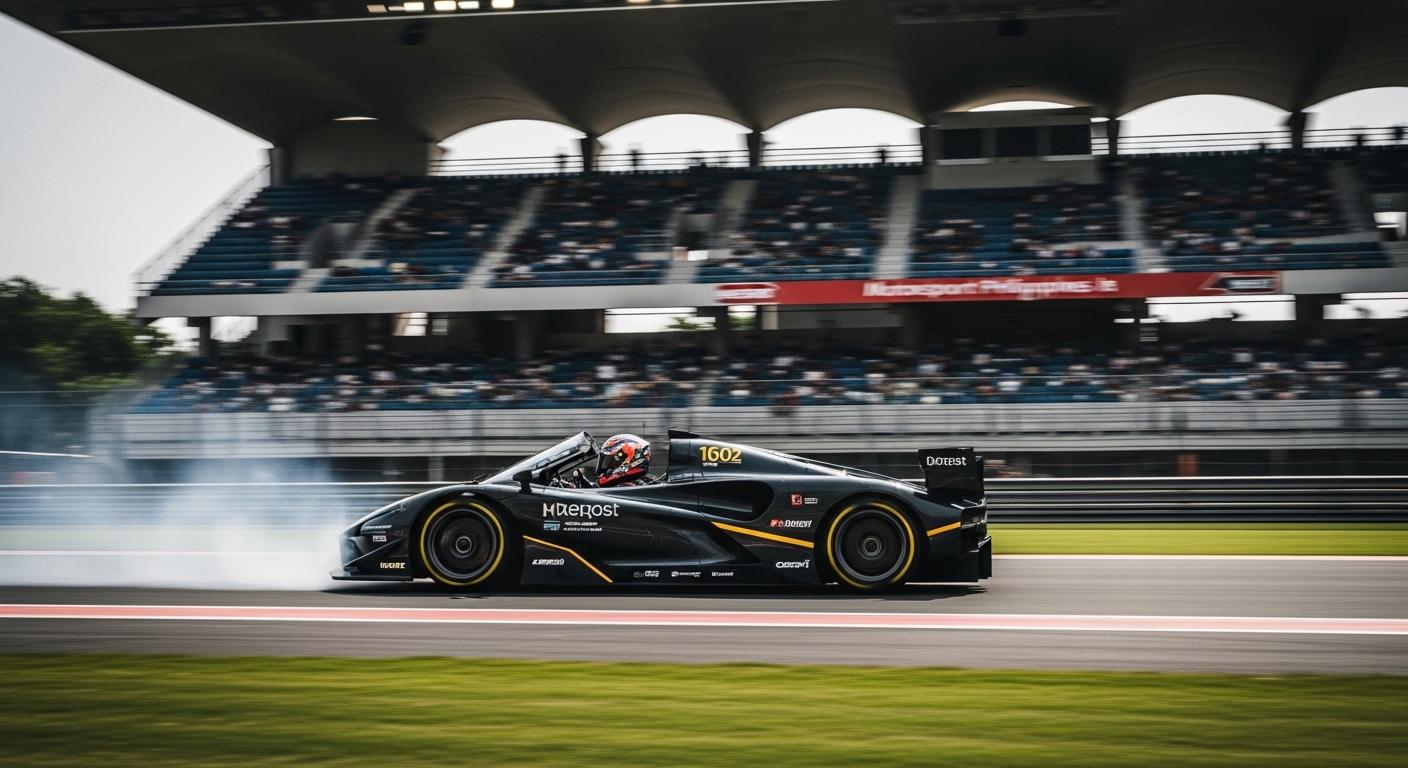
motorsport Motorsport Philippines stands at a crossroads as the global stage reshapes how racing is funded, promoted, and consumed. This analysis examines how the Philippines can leverage evolving formats, rising regional networks, and local talent pipelines to turn ambition into sustainable progress for a country where the sport remains both a passion and a potential economic lever.
Macro Trends Reshaping the Global Stage and Local Response
Across the globe, the sport is recalibrating around cost efficiency, sustainability, and audience reach. Formula One, long the flagship of elite motorsport, is pursuing tighter budgets, safer circuits, and broader media exposure. The Star has highlighted how the sport is entering a new era, with rules and formats designed to broaden participation without inflating costs for teams, circuits, or sponsors. For the Philippines, these shifts carry both risk and opportunity. On one hand, reduced margins could squeeze smaller teams; on the other, a more accessible ladder — from local karting to regional one-make and open-wheel series — becomes economically viable if local organizers can align formats with sponsor needs and media access. Philippine circuits that once leaned on a single marquee event may now consider a portfolio of smaller rounds that keep venues busy and fans engaged, especially on streaming platforms that reach nationwide audiences. The central question is not just who wins on Sunday, but how a sustainable ecosystem can be built around development, branding, and community engagement that scales beyond a single race date.
Talent pipelines and grassroots development in the Philippines
Development pathways matter as much as headline races. The Philippines has a growing pool of aspiring racers, engineers, and data analysts who can convert a weekend grid into a launching pad for regional careers. Local manufacturers and sponsor networks have begun to see value in a formalized ladder — from karting clubs and school programs to national championships — that can produce drivers who understand both car setup and media presence. In 2026, Toyota Gazoo Racing Philippines announced a Tamaraw one-make cup designed to anchor a new entry point for young drivers while strengthening brand affinity with Filipino fans. The same year is expected to bring the Seaoil Radical Challenge Philippines, a cost-conscious open-wheel platform that can be staged at multiple venues with minimal infrastructure. These developments echo a broader pattern in Southeast Asia where accessible, repeatable formats shorten the path from karting to touring cars or prototypes. Yet sustaining this progress requires sustained sponsorship and a clear calendar that provides predictable exposure and revenue opportunities for teams.
Commercial models and spectator engagement
Beyond the on-track action, the sustainability of Philippine motorsport hinges on commercial models that can weather budget cycles and audience shifts. Local series must balance ticket sales, sponsorship, and media rights with a robust digital strategy that can deliver highlights, driver profiles, and technical insights to a dispersed audience. Streaming, social media, and short-form content have become as important as the race itself for attracting younger fans and regional partners. The evolving F1 ecosystem — with tighter cost caps and smarter distribution of content — offers a blueprint for how Philippine organizers might monetize content and expand their fan base without overreliance on a single grand event. In practice, this means promoting multi-race weekends, sponsor activation zones, and community events that invite young fans to learn about vehicle dynamics, data analytics, and engineering careers while still delivering competitive racing.
Racing formats and the future of Philippine circuits
Racing formats are the engines of engagement. The Philippines can benefit from a diversified calendar that pairs a high-profile, brand-backed series with developmental rounds that run more frequently and at more venues. The Tamaraw one-make cup and the Radical Challenge are examples of formats that emphasize cost control, reliability, and close racing, which are essential to nurturing local talent and attracting regional teams. If 2026 sets a positive precedent, circuits across the country could host mixed weekends that feature touring cars, open-wheel, and performance demonstrations, creating a flow that keeps spectators returning. Safety standards, track upgrades, and logistics will shape how many rounds can be staged per year, but with careful planning, the Philippine motorsport ecosystem can remain resilient even in tighter economic times.
Actionable Takeaways
- Invest in youth karting and school-based programs to create a steady pipeline of drivers and engineers who understand data and car setup.
- Forge regional partnerships to share talent, parts, and knowledge across Southeast Asia, reducing costs and expanding competition opportunities.
- Develop multi-brand sponsorship packages and digital content strategies that monetize events beyond gate receipts.
- Support the growth of affordable, repeatable race formats such as one-make and radical-challenge series to sustain year-round activity.
- Prioritize safety, circuit infrastructure, and sustainable practices to future-proof venues amid changing regulations and climate considerations.
Source Context
background and context from current industry coverage: