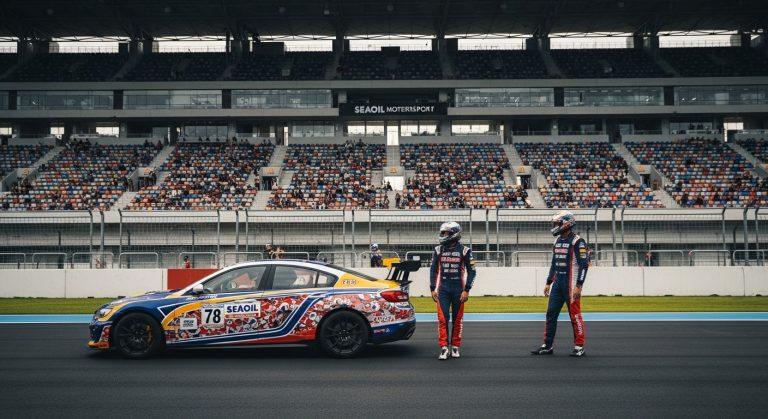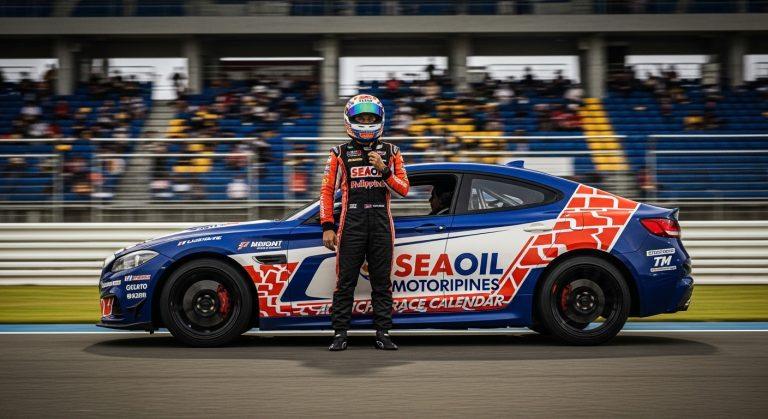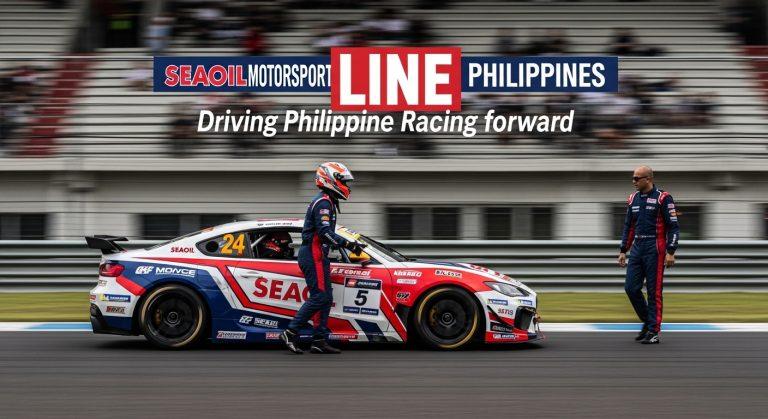
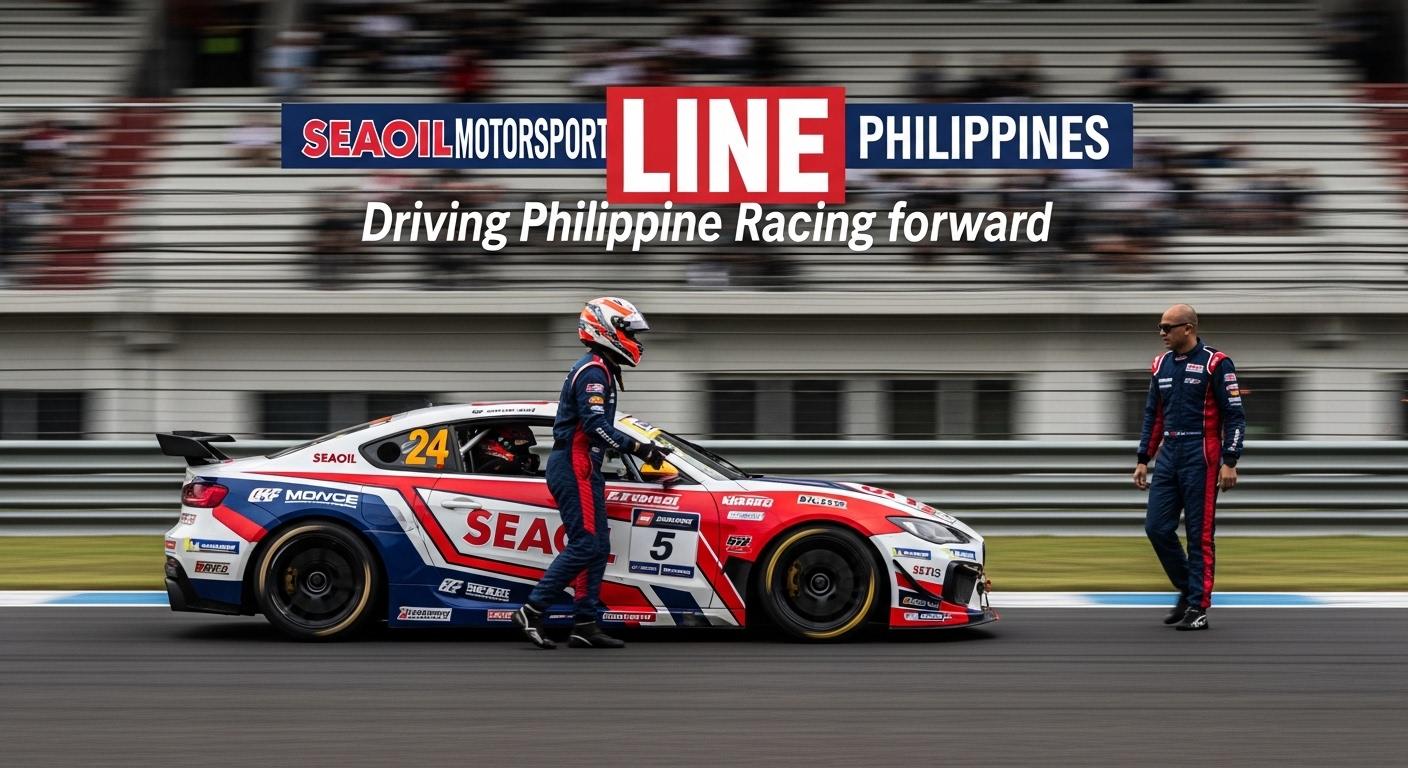
seaoil Motorsport Philippines sits at the center of a Philippine racing ecosystem that blends aspiration with pragmatism. As track days graduate into formal series and corporate sponsorships translate into youth and community programs, the domestic motorsport landscape reveals how brands anchor both competition and culture for Filipino fans.
Context and Stakes
The 2026 season lineup is shaping a more predictable calendar for teams, drivers, and venues. In particular, the planned June kickoff of the Seaoil Radical Challenge PH provides a controlled, cost-conscious entry point for new entrants while offering existing racers a platform to refine technique on common hardware. For sponsors, a structured schedule reduces uncertainty and creates a trackable path from grassroots participation to higher-profile events, aligning commercial objectives with community engagement.
Sponsorship and Brand Impact
Brand visibility and corporate alignment matter beyond logos on the side pods. seaoil’s involvement in domestic racing signals a broader strategy to connect with automotive enthusiasts who influence consumer behavior, from weekend track enthusiasts to aspiring racers who view the sport as a career lane. When a sponsor anchors a series, it can help standardize safety protocols, fund entry costs, and foster youth development programs that turn fans into participants and then into volunteers, media contributors, or team members.
Racing Formats and Pathways
Two recent developments illustrate a deliberate attempt to diversify pathways for Filipino drivers. A new Tamaraw one-make race opens a cost-controlled, level-playing-field stage within the Toyota Gazoo Racing PH Cup framework, enabling drivers to focus on consistency and racecraft rather than material advantage. Separately, the Radical Challenge initiative offers a lower-cost, close-competition format that can accelerate skill-building and attract entrants from across the archipelago. Taken together, these formats create a spectrum from entry-level, spec racing to more open categories, with seaoil Motorsport Philippines at the hub of the ecosystem’s connective tissue.
Audience, Economy, and Future Outlook
The viability of Philippine motorsport increasingly hinges on the economics of sponsorship, access to circuits, and the reach of broadcast and digital content. Sponsors gain by linking with a loyal base of fans who attend events in person and engage online, while series organizers benefit from predictable calendars and corporate partnerships. If the current model scales—through extended calendars, stronger club networks, and improved media distribution—the sport could begin producing a deeper talent pipeline and broader fanbases beyond traditional circuits, turning local races into regional showcases that attract touring teams from nearby markets. But if funding tightens or participation stalls, the opposite scenario could unfold: fewer entrants, reduced track time, and a spiral back toward ad hoc events with less professional cohesion.
Actionable Takeaways
- Strengthen youth development by pairing sponsor-funded programs with schools, driving clubs, and rookie test days to reduce entry barriers.
- Invest in community engagement through accessible race days, local media partnerships, and streaming to expand the fan base beyond track fences.
- Align calendars across series to maximize participation, sponsorship value, and media exposure in the off-season and race weekends.
- Support cost-control formats like one-make races to develop local talent while maintaining financial sustainability for teams and drivers.
- Prioritize safety, sustainability, and local manufacturing partnerships to build a resilient ecosystem that can weather market shifts.
Source Context
- 2026 Seaoil Radical Challenge PH to kick off in June — ZigWheels
- 2026 Toyota Gazoo Racing PH Cup opens with Tamaraw one-make race — AutoIndustriya
From an editorial perspective, separate confirmed facts from early speculation and revisit assumptions as new verified information appears.
Track official statements, compare independent outlets, and focus on what is confirmed versus what remains under investigation.
For practical decisions, evaluate near-term risk, likely scenarios, and timing before reacting to fast-moving headlines.
Use source quality checks: publication reputation, named attribution, publication time, and consistency across multiple reports.
Cross-check key numbers, proper names, and dates before drawing conclusions; early reporting can shift as agencies, teams, or companies release fuller context.
When claims rely on anonymous sourcing, treat them as provisional signals and wait for corroboration from official records or multiple independent outlets.
Policy, legal, and market implications often unfold in phases; a disciplined timeline view helps avoid overreacting to one headline or social snippet.
Local audience impact should be mapped by sector, region, and household effect so readers can connect macro developments to concrete daily decisions.